
Last updated November 22, 2026
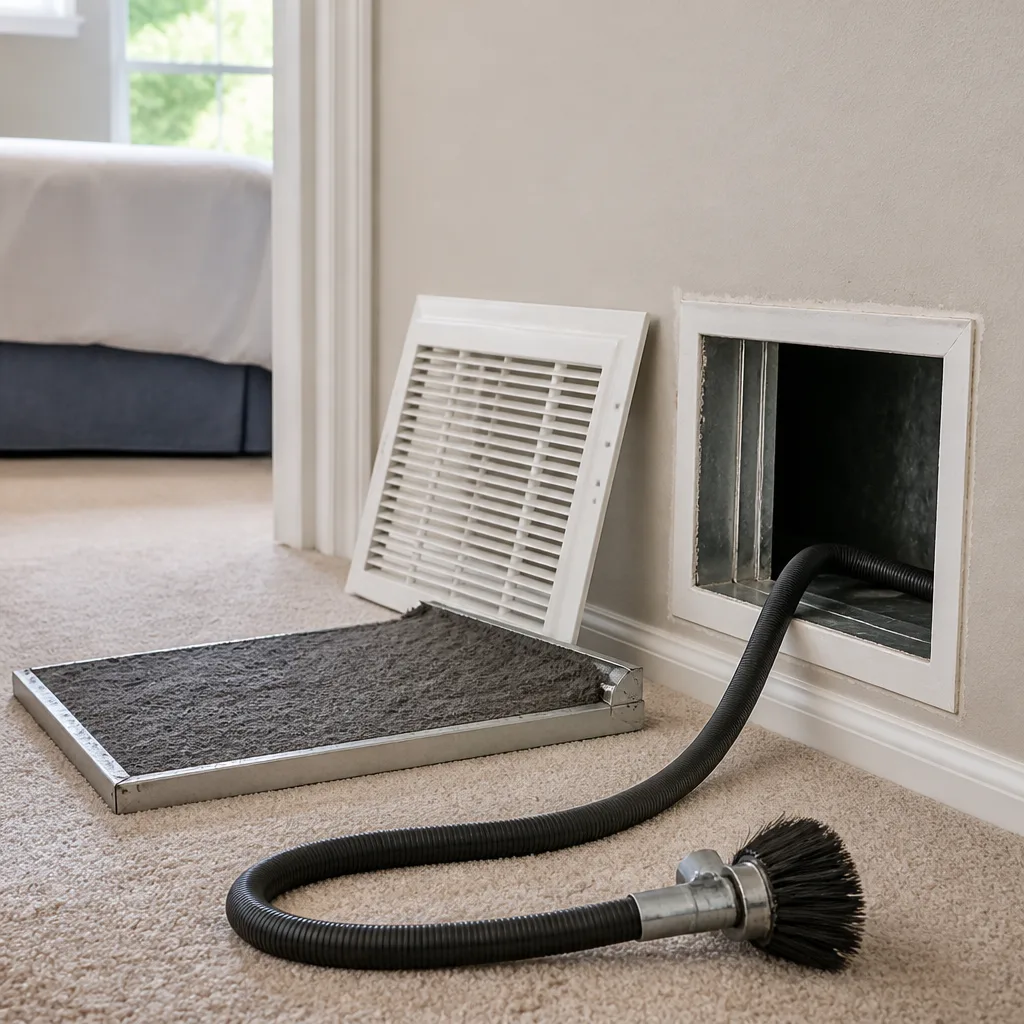 Whole-home duct cleaning
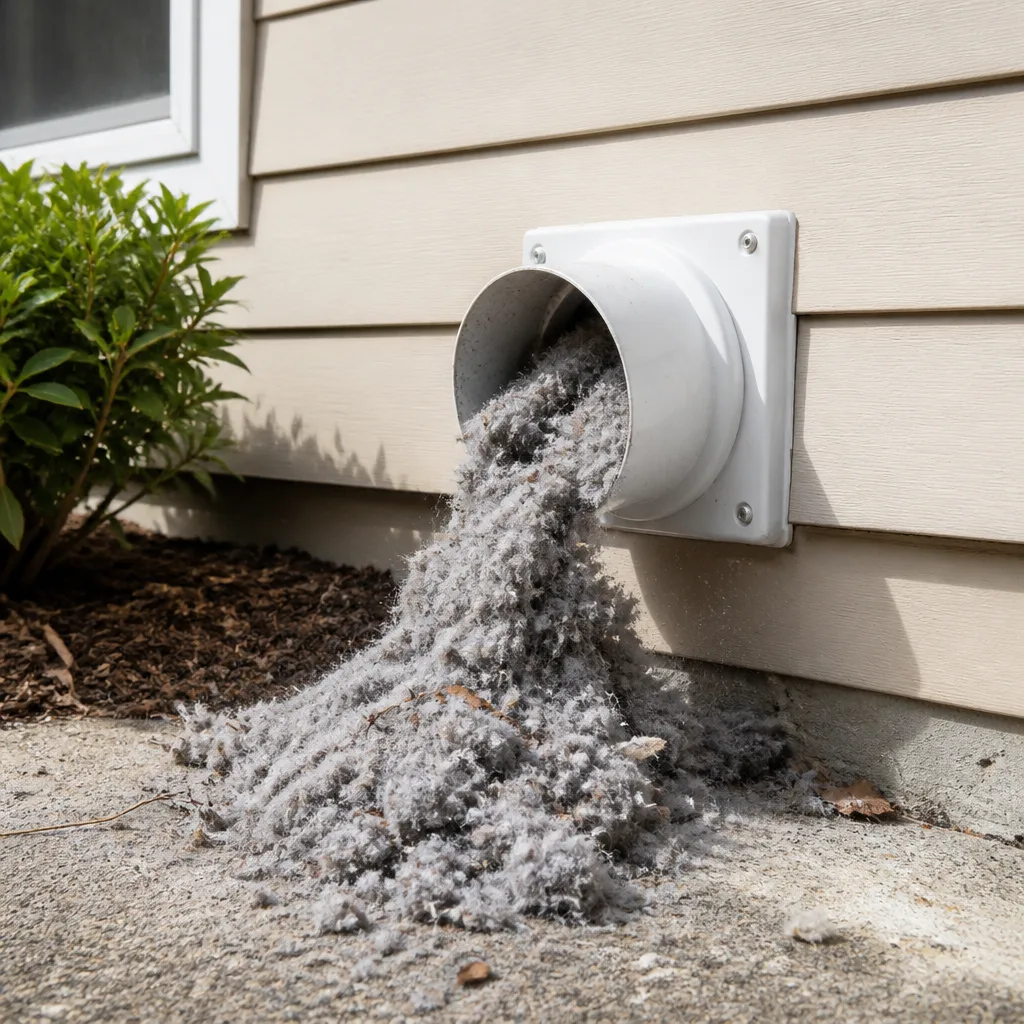 Dryer vent cleaning
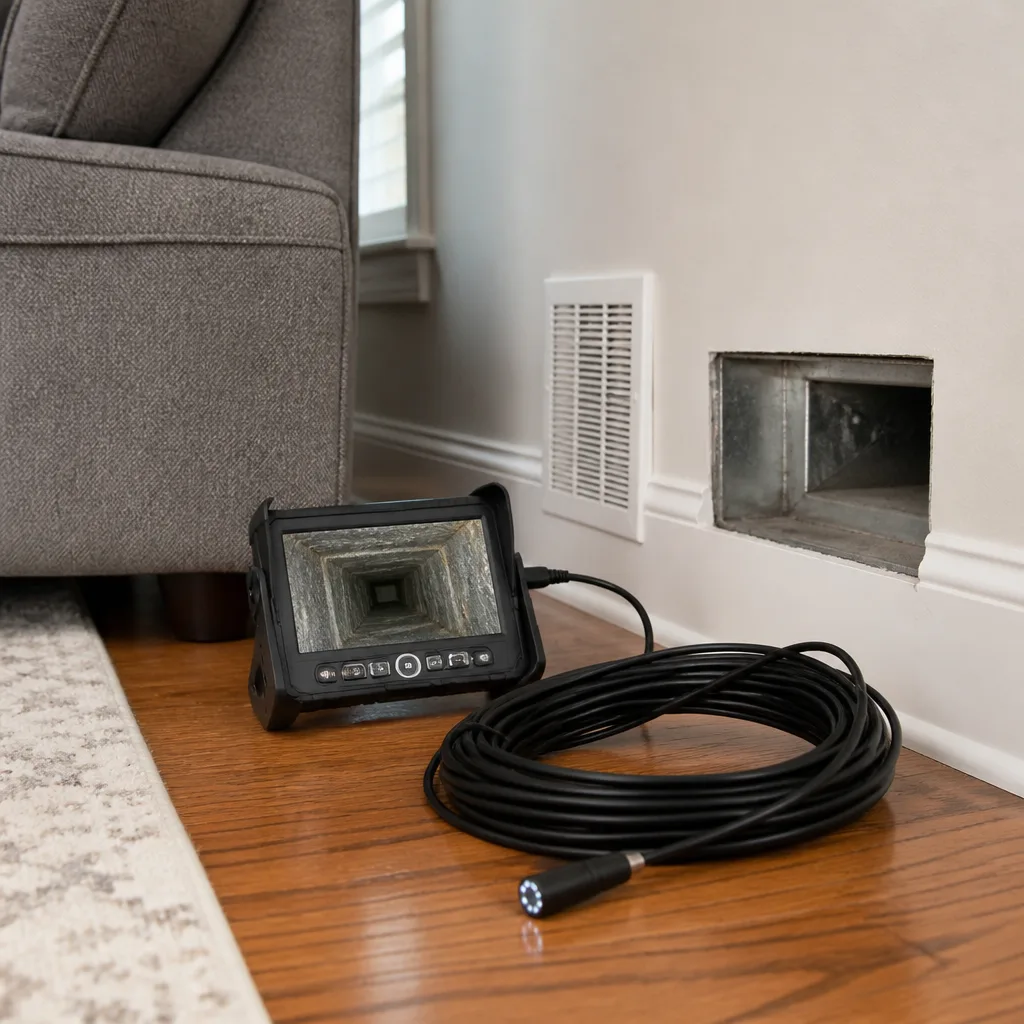 Camera inspection
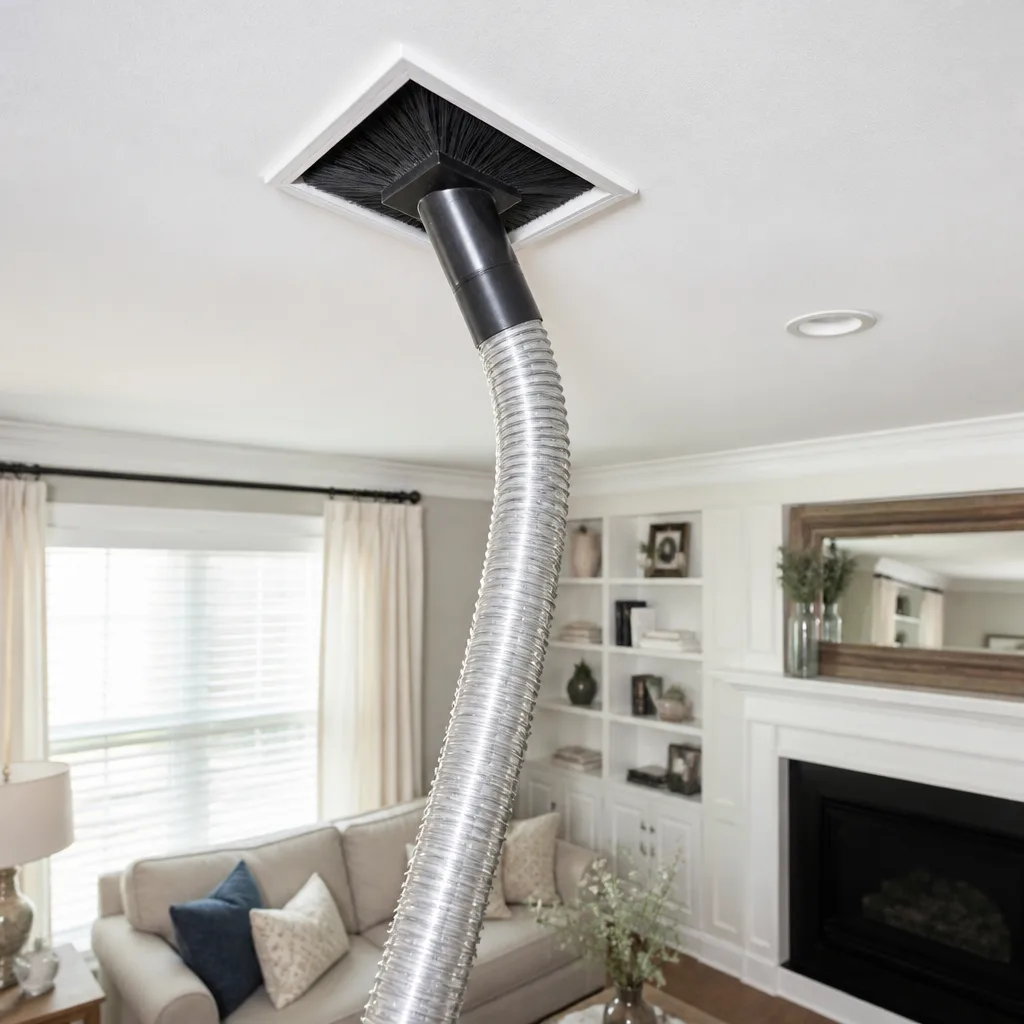 Sanitizing & deodorizing
Whole-system duct and dryer vent check with before-and-after photos - you see exactly what came out of your vents
That "$99 whole-house special" is a bait ad - the real number appears once they are in your hallway, or the "clean" is a shop-vac at the register. We photograph the inside of your ducts before and after instead.
Seasonal Air Duct Cleaning Care for Ridgewood: Year-Round Homeowner’s Guide
Most homeowners treat duct cleaning as a January task, a fresh-start ritual tacked onto the new year along with the gym membership. In Ridgewood, that timing misses both of the year’s real pressure points. The two windows when forced-air systems here take on the most contamination are spring pollen season and the first two weeks of heating season, and neither of them lands in January. This guide maps Ridgewood’s actual seasonal conditions, from the pollen that coats the side streets in April to the humidity that hangs over the neighborhood in July, onto specific duct maintenance actions. You’ll learn what to check each season, when to schedule, and how to build a 12-month calendar that fits a dense Queens row house rather than a suburban colonial.
Styles & brands we work with
- Whole-home duct cleaning
- Dryer vent cleaning
- Camera inspection
- Sanitizing & deodorizing
Quick Answer
The best time to clean air ducts in Ridgewood is late spring after pollen season ends (roughly late May into June) and again right before heating season starts in early fall. Rather than one annual cleaning date, the smarter approach is to match each maintenance action to the season that creates the problem: spring pollen demands a post-season cleaning, summer humidity calls for coil and drain-pan checks, the fall heating switchover is your diagnostic window, and winter is about filter management and dryer vent safety. Filter changes are a homeowner task done every one to three months; professional cleaning, duct sealing and air quality work are annual-to-needs-based jobs done by a qualified contractor.
Table of Contents
- Why January Isn’t the Right Month in Ridgewood
- Spring: The Post-Pollen Cleaning Window
- Summer: Humidity, Coils, and Row House Moisture
- Fall: The Heating Switchover Is a Diagnostic Moment
- Winter: Filters, Load, and Dryer Vent Risk
- Your 12-Month Ridgewood Duct Calendar
- What You Can Do Yourself vs. What Needs Equipment
- Common Mistakes to Avoid
- When to Call a Professional
- Frequently Asked Questions
Why January Isn’t the Right Month in Ridgewood
The conventional advice to clean your ducts “once a year” is sound in principle and nearly useless in practice because it ignores when contamination actually accumulates. In a Ridgewood row house with a forced-air system, dirt doesn’t build up evenly across twelve months. It spikes twice. The first spike comes with spring pollen, when the neighborhood’s trees and shrubs release fine particulate that gets pulled into return ducts every time the system runs. The second comes at the heating switchover, when whatever settled in the ducts all summer gets lifted by the first sustained blast of warm air and distributed through every room.
Scheduling a cleaning in January catches neither spike cleanly. You’re cleaning ducts that spent the fall redistributing summer dust and the winter redistributing the same dust again, then living with the result until April. The date feels tidy and does little for the air you actually breathe.
There’s a second reason January fails as a benchmark. Ridgewood’s housing stock is dense and old, dominated by attached row houses and low-rise apartment buildings where duct runs are short, returns are often undersized, and the whole system works harder than it would in a detached home with a simple trunk-and-branch layout. Short runs concentrate contamination, but they also mean a small duct leak has an outsized effect on pressure balance between rooms. Seasonal timing lets you catch those issues as they appear instead of a year later.
Quick thought: If you only clean once, aim for the late-spring window after pollen settles. If you can do two touchpoints a year, pair a late-spring cleaning with a fall inspection at the heating switchover.
Spring: The Post-Pollen Cleaning Window
April and May are when Ridgewood’s air is thickest with pollen, and every window you open and every filter you run during that stretch pulls fine particulate into return ducts. The problem isn’t that a filter fails. It’s that filters catch a percentage of what passes through, and the rest settles in the return plenum, the duct liner, and the air handler cabinet where a filter can’t reach it. Once pollen is lodged in the return side, the system draws it back into living spaces on every cycle.
The right move in spring is not to clean during peak pollen, which just gives the system fresh material to pull in. It’s to clean after the peak, in late May or June, once the pollen load drops and before summer’s humidity arrives. Here’s how that sequence works:
- Watch the pollen calendar, not the groundhog. Track when local pollen counts fall off in late spring. In Ridgewood, that’s typically late May into early June. That drop is your signal.
- Run the system with a fresh filter during peak pollen. Change the filter at the start of pollen season to maximize what the system catches.
- Book the clean for the post-peak window. An air duct cleaning in this window removes the pollen that got past the filter, plus the seasonal dust that built up alongside it.
- Check the returns while the system is open. Spring is the natural moment to look at return-side dust and ask how it got there, which often points to a sealing issue.
In our experience, the returned dust load in Ridgewood’s attached housing can be significant even when every filter has been changed on schedule, because the return side in a short run pulls harder and finer debris settles in the plenum where filters can’t reach.
Summer: Humidity, Coils, and Row House Moisture
Summer in Ridgewood means humid air and heavy cooling load, and that combination creates the year’s biggest hidden risk: condensation on the cooling coil and in the drain pan. A drain pan that holds standing water becomes a microbial growth site, and the air handler pushes air past it. The duct system on the supply side stays cooler than the surrounding air, which means condensation can form on uninsulated runs and, over a summer, create a damp surface that holds dust and odor.
Row houses have a particular wrinkle here. Dense attached housing often has limited vapor control, less cross ventilation, and basement air handlers sitting in spaces that run humid all summer. What you notice first is usually a musty smell when the air conditioning kicks on, or a cool clammy feel even when the thermostat says you’re at the set point. Both are signals worth checking before they become a duct problem.
What to check in summer (look and note, don’t disassemble anything):
- The drain pan and condensate line: Ask a technician to confirm the pan is dry between cycles and the line flows freely. Standing water is a hire-someone issue.
- Supply registers in the most humid rooms: Any persistent moisture or spotting around the register is worth a look.
- Odor on startup: A musty smell when the AC starts points to moisture or organic growth somewhere in the air handler or duct run.
- The filter’s condition: Summer cooling load is high, and a filter that’s been in for months past its change interval restricts airflow and pushes air past the gaskets.
When humidity is the driver, mechanical cleaning isn’t the whole answer. Grime comes out with the right tools, but moisture control is what keeps it from coming back. Our sanitizing and air quality work with Aprilaire humidity-control integration targets exactly this, and it’s why we offer it as a fifth service alongside HVAC cleaning rather than as an add-on greeting at the door.
Fall: The Heating Switchover Is a Diagnostic Moment
The first sustained heat cycle of the season is the best diagnostic moment in the entire year, and most homeowners walk right past it. When the system switches from cooling to heating in Ridgewood, usually in late September into October, the air handler is suddenly blowing warm, dry air through ductwork that’s been mostly cool and humid all summer. That change lifts settled dust and reveals problems you can’t see in July. Three signals are worth paying attention to in the first two weeks of heat:
- Odors on first heat. A burnt or dusty smell in the first minutes of a heating cycle is common and usually harmless. A smell that persists across multiple cycles, or turns musty or chemical, points to debris or moisture in the ducts or air handler that heat is off-gassing. That one deserves a professional look.
- Uneven airflow room to room. If one bedroom heats faster than the rest, or the room above the air handler is cold while the far room is warm, duct leakage is a likely cause. In a row house, one leaky run can starve a whole floor.
- Dust puffs from registers on startup. The first heat cycle can push a visible puff of dust through the registers. A one-time puff is normal; puffs every time the system cycles back on mean the ducts are holding debris the blower keeps lifting.
Fall is also the season to schedule duct repair and sealing. If the heating switchover shows leakage, sealing the runs and cleaning them in the same visit makes more sense than doing one and coming back for the other. Sealed and cleaned is the standard we hold to, because a clean duct that’s leaking is still a duct that loses efficiency and distributes dust into wall cavities.
Winter: Filters, Load, and Dryer Vent Risk
Winter is filter-management season in Ridgewood, and it’s also when dryer vent risk peaks. The forced-air system runs longer and harder under heating load than at any other time of year, so a filter that’s been in for three months is working against a higher volume of air than it was rated for. Checking the filter on a fixed interval, roughly every one to three months, keeps airflow up and keeps the system from pulling through the filter’s gaps.
Dryer vents deserve their own winter line item. Cold weather means more indoor drying time and more laundry, especially in a row house where there may not be a good outdoor line-drying alternative. Lint that builds up in a dryer vent restricts airflow, raises drying time, and creates a fire-safety risk. It’s a real risk, not a sales hook, and it’s one we address as a core service, not a tacked-on upsell. Winter is the right time to have the dryer vent checked and cleaned, while the appliance is in its heaviest use cycle.
Winter also brings the dry indoor air that makes every particulate count. A filter on a fresh cycle and a duct system that’s been sealed and cleaned on schedule is what keeps the heating season from turning into a twelve-week dust distribution event.
Your 12-Month Ridgewood Duct Calendar
This is the sequence we’d build for a Ridgewood row house with a forced-air system: seasonal actions ordered so each one sets up the next, not generic “clean once a year” advice. The homeowner tasks are things you can do without equipment; the professional tasks are the ones that need the right tools.
- March: Change the filter. Watch for pollen season to begin. Note any new dust or odor.
- April – May: Run a fresh filter through peak pollen. Track the drop-off in late May.
- Late May – June: Book a professional air duct cleaning post-pollen. Confirm return-side dust, ask about sealing.
- July – August: Ask a technician to check the drain pan and condensate line. Look for moisture at registers and musty odor on AC startup.
- September: Change the filter before heating season. Book the fall inspection if interested.
- First two weeks of heat: Watch for persistent odors, uneven airflow room to room, dust puffs on cycle. These are your diagnostic signals.
- October: If the switchover flagged leaks, schedule sealing and cleaning together.
- November – December: Filter on the month-by-month rotation. Book dryer vent cleaning for the high-use months.
- January – February: Filter changes stay on schedule. Note any new odor or dust pattern; call if it changes.
Two anchor services run through this calendar: a full-system HVAC cleaning at least annually, paired with the post-pollen clean if you’re doing one clean a year, and a dryer vent cleaning on the winter high-use cycle. Everything in between is checks and filters. The point is not to clean more often, it’s to clean at the right time.
What You Can Do Yourself vs. What Needs Equipment
The line between homeowner tasks and professional tasks comes down to tools. A filter change is a homeowner task. A return plenum that’s holding pollen and liner dust is not, because the equipment needed to remove it isn’t a shop vac. A shop vac will pull surface dust off a register and push the rest deeper. That’s the shortcut this whole industry has a reputation for, and the reason the equation is the same for every honest contractor: proper equipment, honest scope, verified results.
What we bring to a job isn’t a larger vacuum; it’s a full-system cleaning approach that reaches from the supply and return runs through the air handler and into the filtration side. The equipment that matters:
- Rotobrush rotary brush systems: mechanical agitation that scrubs the duct interior rather than relying on suction alone, the industry-standard tool for duct cleaning.
- Nikro negative-air machines: the same class of vacuum used in commercial and restoration work, which keeps the work area under negative pressure so removed debris doesn’t escape into the room.
- Abatement Technologies air filtration: remediation-grade containment equipment that lets us hold airborne particulate during the job, meaningful when the reason for the call is mold, allergens or post-renovation dust.
- Honeywell and Aprilaire product lines: for filtration and humidity-control integration when cleaning alone won’t hold the result.
That lineup is why a professional job and a consumer-grade attempt aren’t the same service at different prices. An entry-level vacuum gives you surface cleaning and a clean-looking register; it leaves the plenum and liner untouched. The right tools clean what filters can’t reach and contain what the cleaning lifts.
Common Mistakes to Avoid
- Cleaning during peak pollen season. Booking a cleaning in April or early May gives the system fresh material to pull in within days. Wait for the late-May drop.
- Treating January as the default date. A January cleaning misses both spring pollen and the fall heating switchover signals. The date feels organized; the timing does nothing for your air.
- Skipping the filter between cleanings. A filter that’s gone three months past its interval restricts airflow and pushes air past the gaskets, no matter how clean the ducts are.
- Ignoring a musty smell in summer. Odor on AC startup is a moisture signal in a row house, and it’s worth a look before it becomes a duct problem.
- Letting the first heat cycle go unread. Persistent odor, uneven airflow, or repeating dust puffs in the first two weeks of heat are free diagnostic information.
- Hiring on the lowest bid without asking about equipment. A quote that doesn’t name the tools and doesn’t show results is a surface clean dressed as a full-system job.
- Cleaning without sealing when the duct run is leaking. A clean duct that leaks still loses efficiency and pushes dust into wall cavities. Ask for repair and sealing as part of the scope when the inspection finds leakage.
- Relying on a shop vac for anything past surface dust. It looks productive and leaves the debris that matters right where it was.
When to Call a Professional
A flashlight and a filter change handle most of the year. Call a professional when:
- You’ve noticed allergy-type symptoms or visible dust that returns within days of cleaning.
- There’s a musty or chemical odor on AC or heat startup that persists across cycles.
- One room or floor heats and cools unevenly, pointing to a leaking duct run.
- You see visible dust puffs from registers every time the system cycles, not just the first heat.
- You’ve had recent renovations and want to know what’s in the ducts before you use the system at normal load.
- Your dryer takes noticeably longer to dry than it should, or the vent flap doesn’t move freely.
Ridgewood Air Duct Cleaning offers free estimates in Ridgewood – call (866) 443-1814. We answer 24/7. Fast dispatch from 7am to 7pm, Sunday through Friday. Our technicians have up to 10 years of experience, and every job is scoped with proper equipment and honest findings, not a coupon price that grows on the invoice.
Frequently Asked Questions
Once a year is a reasonable baseline for most Ridgewood homes, but the timing matters more than the frequency. Aim for a late-spring cleaning after pollen season, and inspect at the fall heating switchover. Homes with pets, allergies, recent renovations, or heavy pollen exposure may need an extra touch in the fall.
Late May into June is the best single window, because it comes after spring pollen has dropped and before summer humidity makes an open system a moisture risk. If you only clean once, that’s the one. Call (866) 443-1814 for an exact quote – estimates are free.
A faint dusty or burnt smell in the first few minutes of a heating cycle is normal, caused by dust on the heat exchanger and warm air moving through cool ducts. A smell that persists across multiple cycles, or turns musty or chemical, points to debris or moisture in the duct run or air handler and is worth a professional look. Call (866) 443-1814 for a free estimate – we can tell you what the smell points to before any work begins.
Yes, indirectly. Dense attached housing often has limited vapor control, and summer humidity can leave condensation on the cooling coil and in the drain pan. That becomes a growth site that the air handler pushes past. No equipment can fix a moisture source, so if you notice a musty smell in summer, ask for the pan, the condensate line, and the ducts to be checked together.
No, not the way a professional cleaning gets done. A shop vac removes surface dust from registers and pushes the rest deeper into the ducts. Removing the pollen, liner dust, and settled debris that actually affects your indoor air requires rotary brush equipment and a negative-air machine, which is why the tools on the job matter as much as the price.
The short answer: you should see it in the results and in the evidence. Expect before-and-after photos of your own ducts, a clear description of what was found and removed, and a flat price per system agreed before work begins. If a contractor can’t show you those, you’re looking at a surface clean. Call (866) 443-1814 for a free estimate and a clear scope before a single tool comes out.
The Bottom Line
Ridgewood’s seasons create the duct problems that a generic “clean once a year” calendar never addresses. Spring pollen fills the return side; summer humidity leaves growth sites in the air handler; the fall heating switchover exposes leaks and debris that went unnoticed all summer; winter puts filters and dryer vents under the year’s heaviest load. Match each action to its season, run the filter on a fixed interval, and book the professional jobs when the conditions call for them, not on a January ritual. The right equipment and the right timing do the work. That’s the whole strategy, and it’s the one we build for Ridgewood homeowners every season at Ridgewood Air Duct Cleaning.
Call (866) 443-1814 for a free estimate. We answer 24/7. Fast dispatch from 7am to 7pm, Sunday through Friday.
Written by the team at Ridgewood Air Duct Cleaning.
See the difference
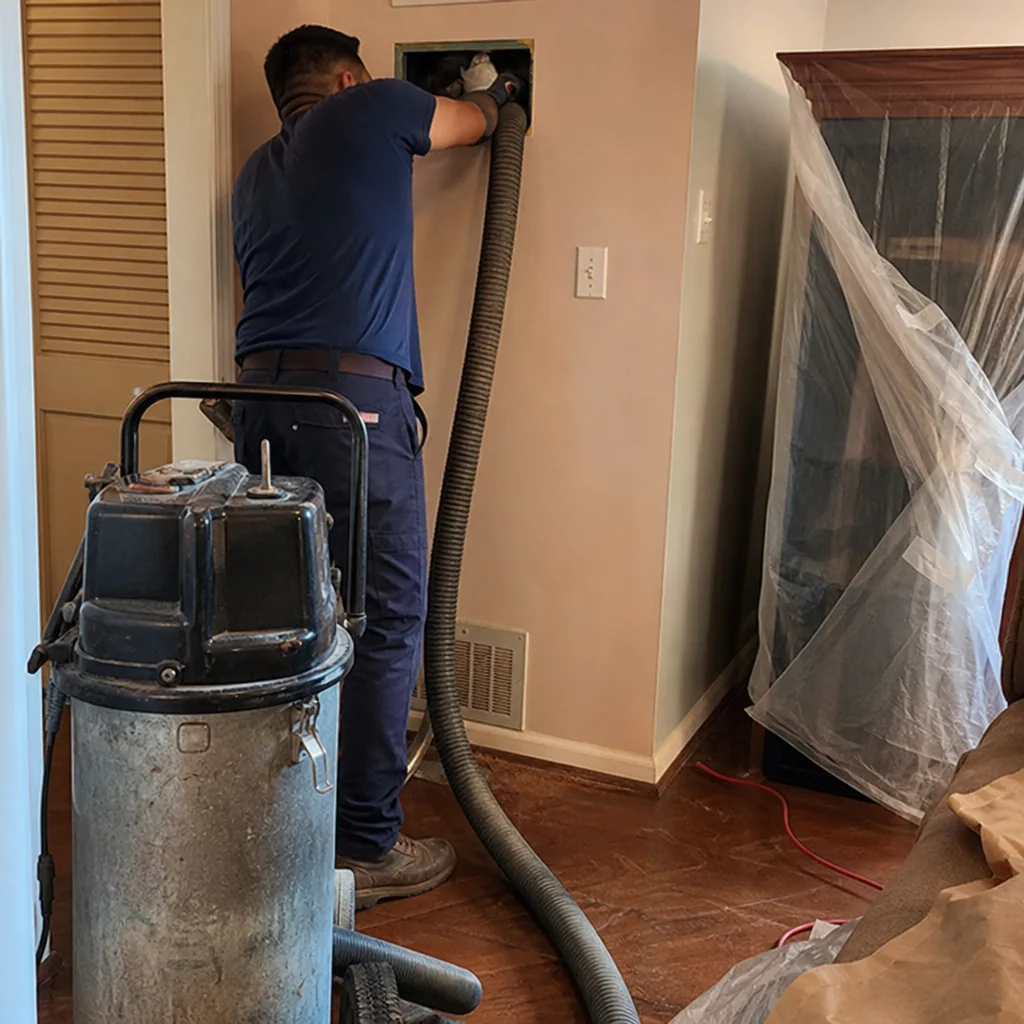 Before
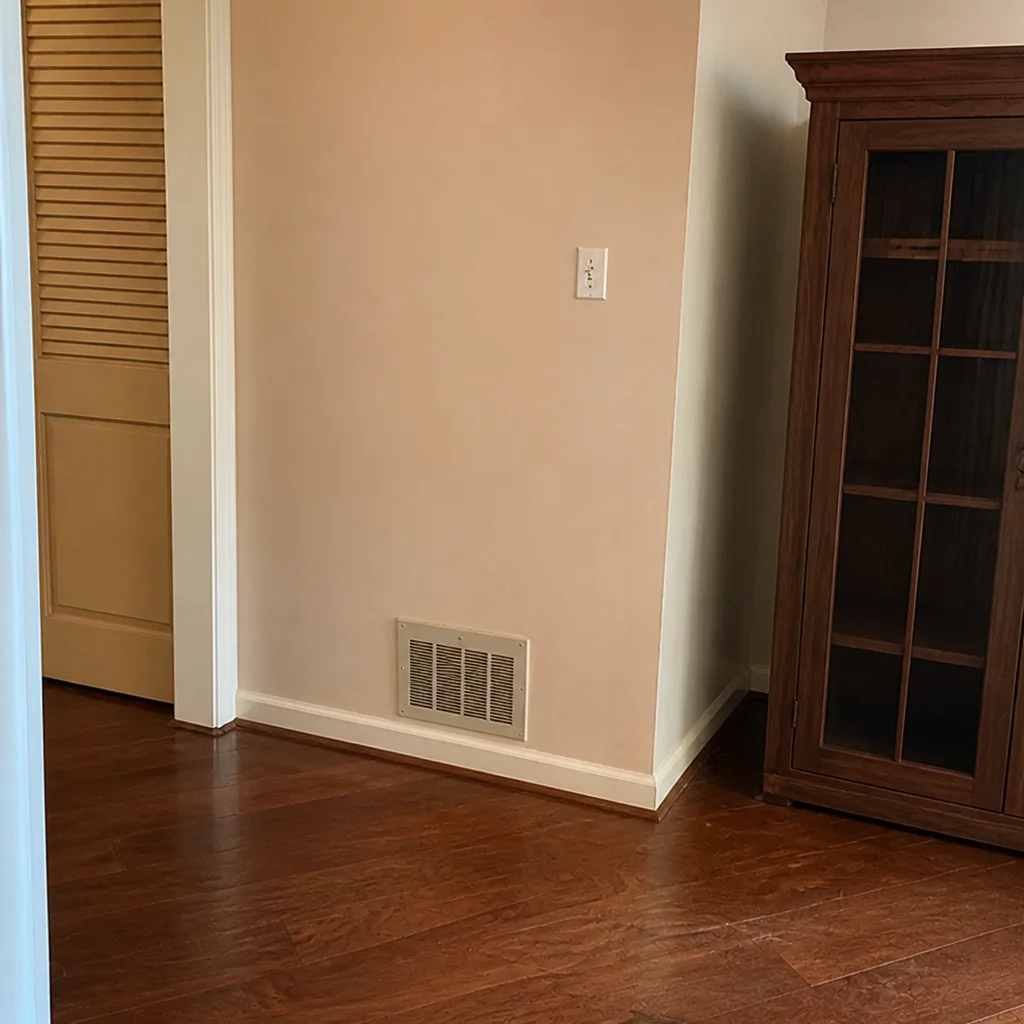 After
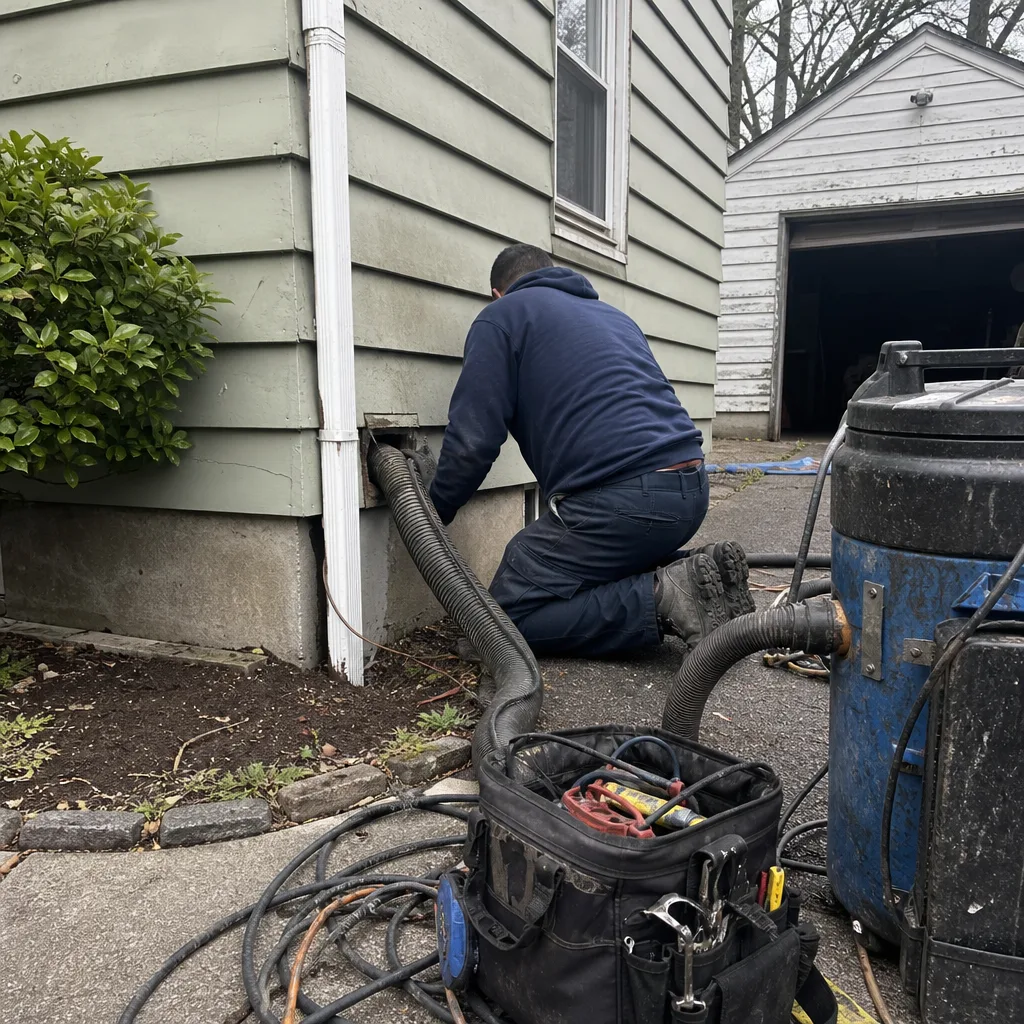 Before
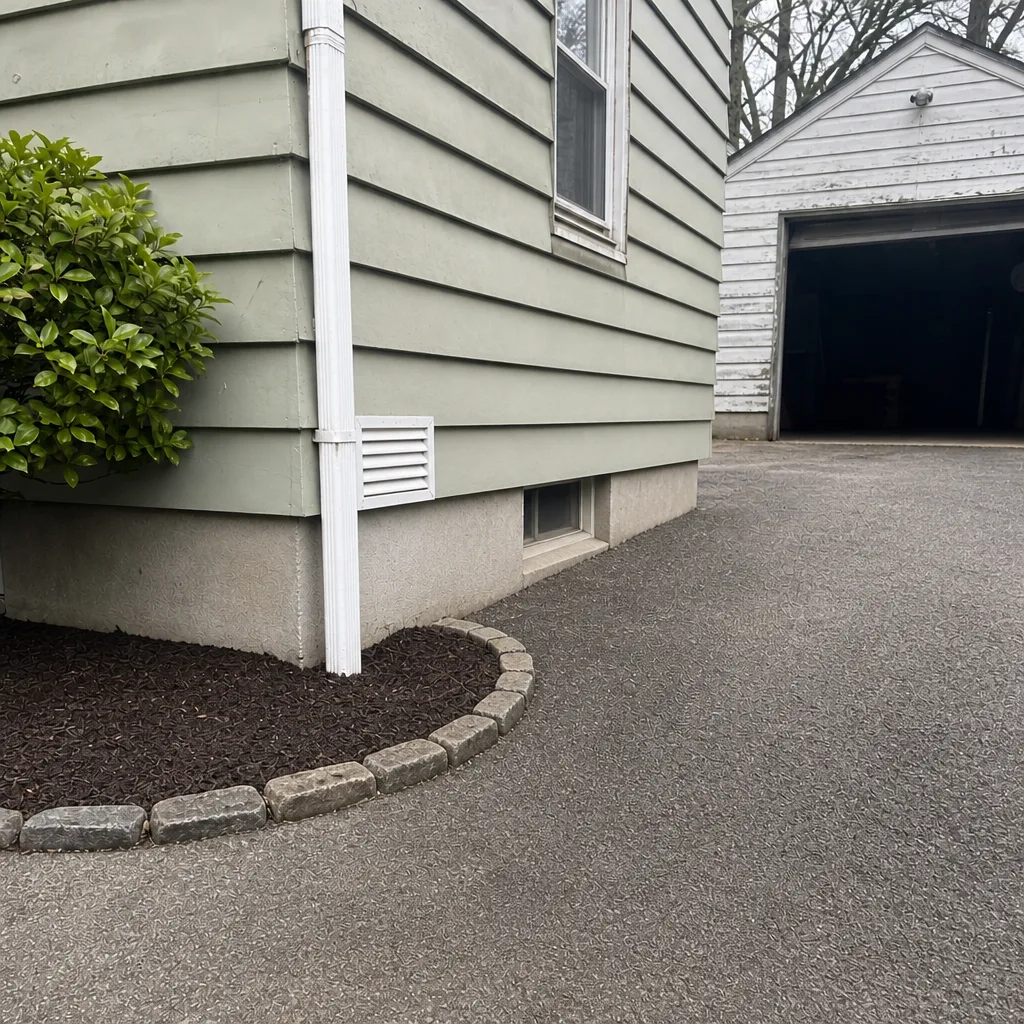 After
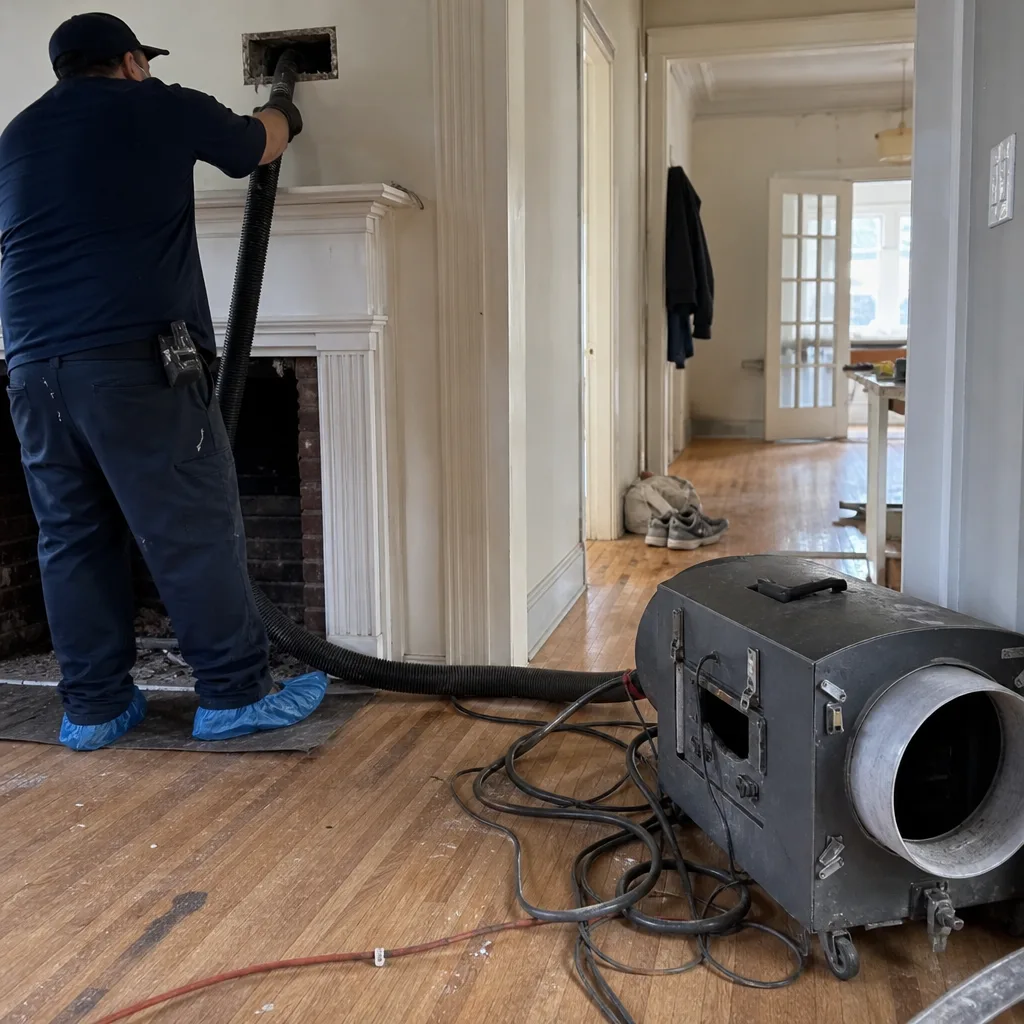 Before
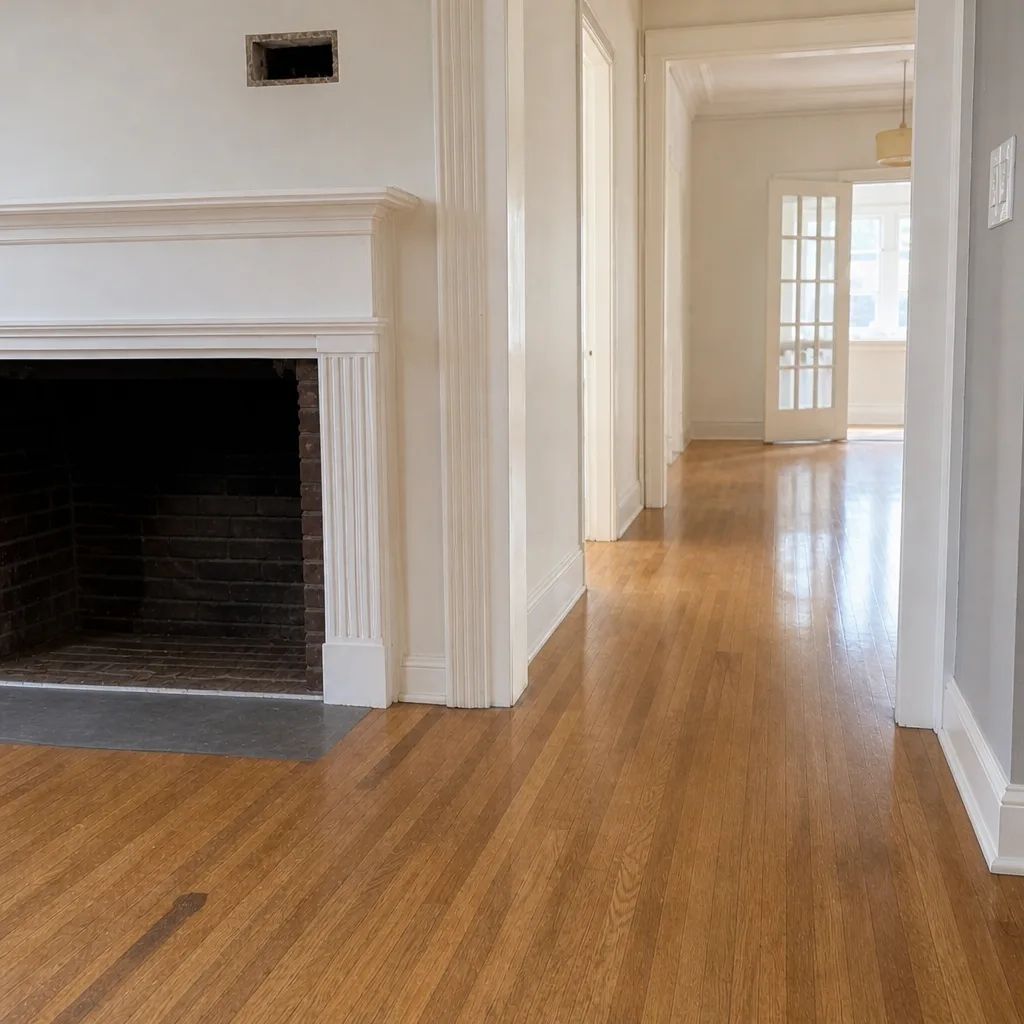 After