
Last updated November 22, 2026
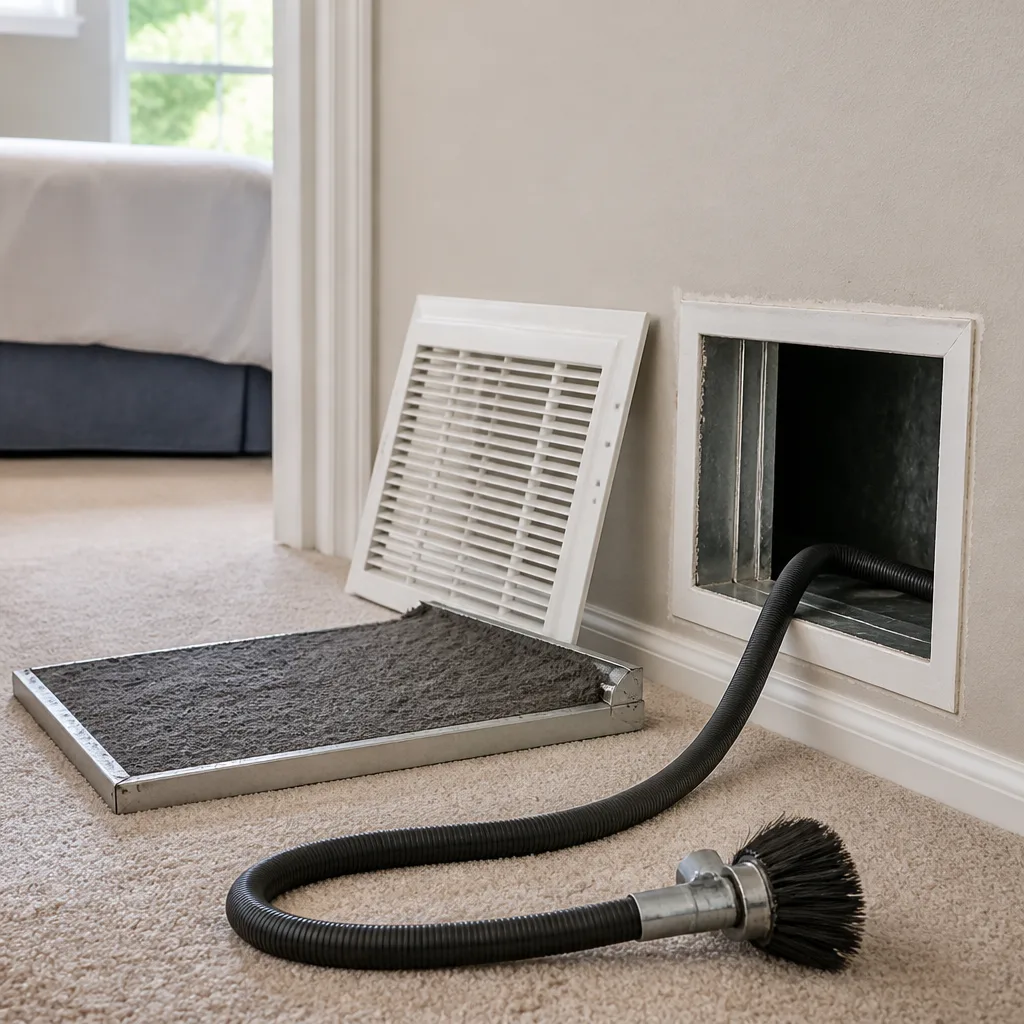 Whole-home duct cleaning
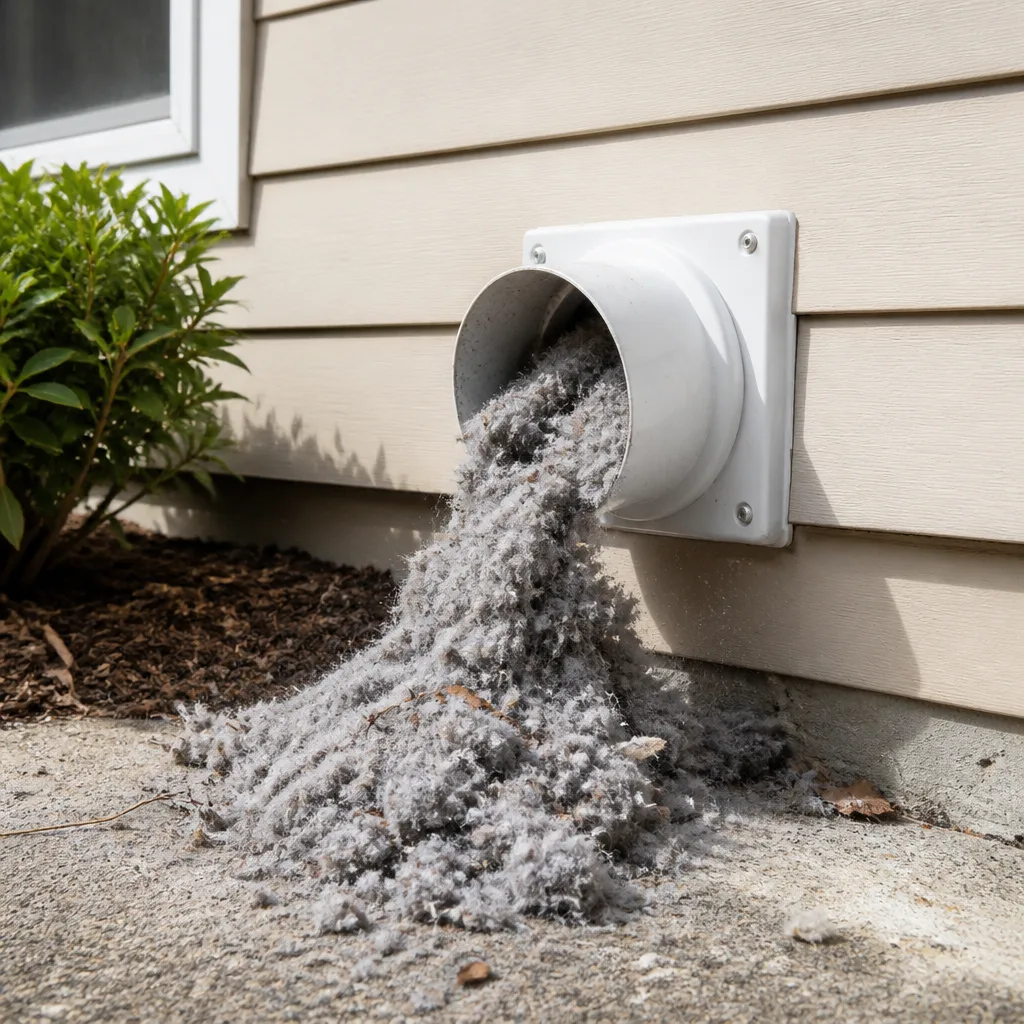 Dryer vent cleaning
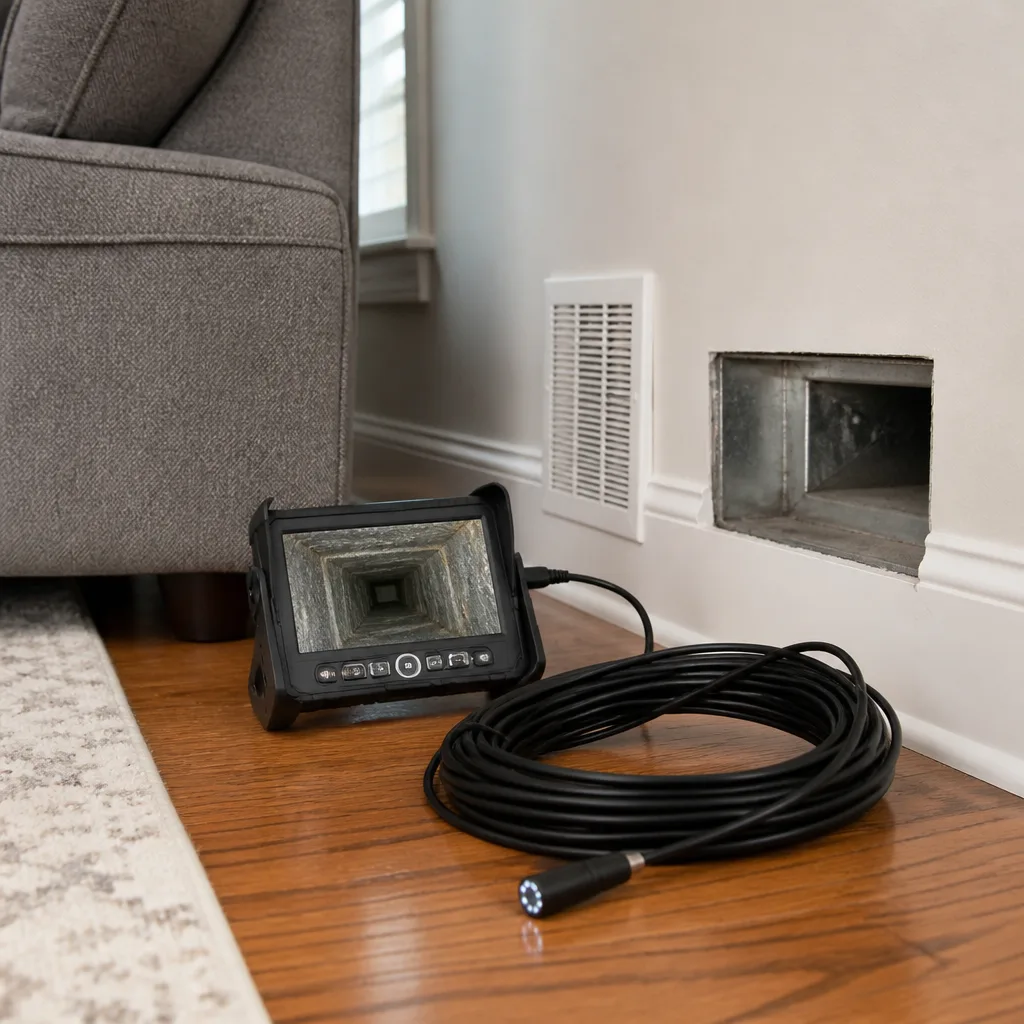 Camera inspection
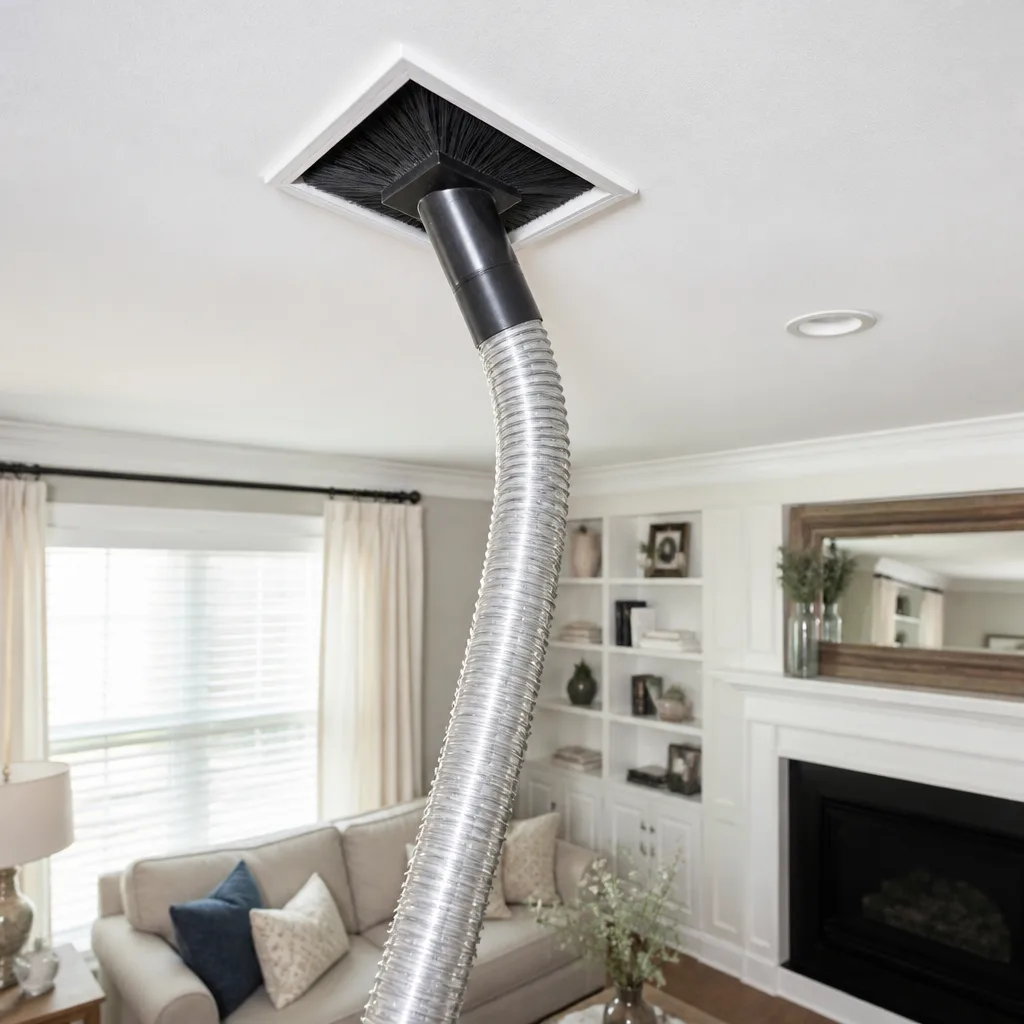 Sanitizing & deodorizing
Whole-system duct and dryer vent check with before-and-after photos - you see exactly what came out of your vents
That "$99 whole-house special" is a bait ad - the real number appears once they are in your hallway, or the "clean" is a shop-vac at the register. We photograph the inside of your ducts before and after instead.
Air Duct Cleaning Emergency Preparedness Guide for Ridgewood Homes
If you’ve ever stood in a hallway after a kitchen fire, you know the drill: the restoration crew handles walls, flooring, furniture, and ceilings. Almost nobody thinks about the duct system. Here’s the counterintuitive part: the same return vents that make your HVAC efficient will keep carrying smoke particles, soot residue, and combustion byproducts through the house long after the visible damage is gone. Every time the system runs, it recycles that contamination. In this guide, we’ll walk through the three emergencies that affect duct systems most often in Ridgewood homes – fire, water intrusion, and construction dust – and what a proper response actually looks like.
Quick Answer
Air duct cleaning after an emergency is not the same job as routine maintenance. Fire history requires HEPA extraction plus deodorization, flooding requires a fast mold timeline and remediation-grade cleaning, and construction dust often leaves residue in shared cavities of Ridgewood row houses. Secure the HVAC first, document the loss, then call a contractor who uses commercial-grade equipment – not a shop vac.
Styles & brands we work with
- Whole-home duct cleaning
- Dryer vent cleaning
- Camera inspection
- Sanitizing & deodorizing
Table of Contents
- Post-Fire: What to Do the First Hour and the First Month
- Post-Flood and Water Intrusion: The 48-72 Hour Window
- Post-Construction Dust in Ridgewood Row Houses
- Documenting the Loss for Your Insurance Claim
- How to Spot a Remediation-Qualified Contractor
- The Overlooked Emergency: Dryer Vents and Lint
- When to Call a Professional
- Frequently Asked Questions
Post-Fire: What to Do the First Hour and the First Month
Fires are the most visible emergency and the most misunderstood when it comes to duct systems. Here’s why: most fires in Ridgewood – whether it’s a kitchen flare-up, a small electrical fire, or a heated flue – send particles into the return air path long before any flame damage. Smoke isn’t just soot. It carries combustion byproducts: nitric acid, sulfur dioxide, and tar-heavy compounds that cling to metal and flexible duct surfaces. Once the HVAC resumes operation, those particles redistribute through every room with a supply register.
What to do, step by step:
- Shut the HVAC system off immediately. Not just the thermostat – kill the disconnect at the air handler. If your thermostat can’t shut the blower fully, find your furnace breaker.
- Do not run fans or portable air conditioners to “clear the smell.” They pull smoke particles from one room into the next.
- Close supply registers in the affected rooms to reduce pull from untreated zones.
- Photograph everything before touching anything – visible smoke residue, soot on registers, and the thermostat setting at the time of shutdown.
- Call your insurer and a remediation-qualified duct contractor on the same day. Not two weeks from now.
Standard air duct cleaning is not what fire history needs. Post-fire duct work requires HEPA-level extraction and a deodorization stage after mechanical cleaning. In our experience, the systems we see recover best when the return side is cleaned first, the supply side second, and sanitizing happens as the last step rather than the first.
What Fire Contamination Looks Like Inside Ducts
- Soot residue on the interior of return trunks, often invisible until a camera is inserted
- Sticky smoke film on metal ducts that standard brushing alone won’t lift
- Ceiling dust residue above supply registers indicating settling before shutdown
- Odor that persists after the walls are cleaned but before the ducts are
If the smell returns any time you turn the blower back on, that’s a reliable signal the duct system is still carrying contamination.
Post-Flood and Water Intrusion: The 48-72 Hour Window
Water damage in Ridgewood is not a hypothetical. Between nor’easters, ice dams, and burst supply lines in winter, we see plenty of wet duct work. The single most misunderstood fact is this: mold can colonize wet duct lining in the 48-72 hour window. That’s fast. In a basement return duct with wet insulation board, spores can begin forming before most homeowners finish calling around for quotes.
How to identify whether moisture reached your return ducts:
- Visible dampness or darkening on flexible duct joints
- A musty odor that’s strongest right when the blower cycles on
- Water stains on ceiling drywall directly beneath a supply trunk
- Condensation on the air handler cabinet, plenum, or coil cover
- HVAC coil sweating where it never used to
If any of those signs show up, assume the return system is compromised until proven otherwise. Standard cleaning removes surface debris – it does not remove mold from porous duct lining. Remediation-level cleaning typically involves:
- Sealing the affected zone with negative-air containment so spores don’t migrate while cleaning is underway
- HEPA vacuum extraction of settled particulate and any mold residue
- Mechanical agitation of duct surfaces, not just vacuuming
- Application of an EPA-registered sanitizer appropriate for HVAC interiors
- Verification – a post-cleaning moisture reading and visual check, documented with photos
Remediation-grade work also means full scope. When a homeowner calls HVAC cleaning after flooding, the coil, blower wheel, and drain pan need cleaning too – not just the ducts. Same visit, same job.
What Water Damage Response Should Look Like
- Stop operating the system within hours, not days, once water is suspected
- Document moisture readings and photos before any cleaning begins
- Contain the work zone with negative air – Abatement Technologies containment equipment exists for exactly this reason
- Pair cleaning with duct repair and sealing where moisture has loosened joints or compromised flexible connections
Post-Construction Dust in Ridgewood Row Houses
Renovation dust is the quietest emergency. It doesn’t announce itself with a siren. It shows up as recurring headache, extra dust on bookshelves, or a blower that starts whining after a few weeks of running. In Ridgewood’s older row houses, this is worse than in a standalone house because renovation debris can migrate through shared wall cavities. A renovation on one floor can leave drywall residue in the return path on another.
Drywall dust, insulation fibers, and fine wood particles are the primary offenders. Drywall dust is abrasive – it wears on blower bearings and coats coil fins. Insulation fibers are respirable, meaning they collect in the duct lining and re-suspend any time the fan runs. Both are easy to trap and hard to extract with consumer equipment.
What to do during a Ridgewood renovation:
- Seal supply and return registers in all work zones before demolition begins
- Keep the HVAC off during active sanding, cutting, or insulation work
- Change filters more frequently than usual during the project – often weekly
- Have a full-system cleaning done after the project is finished and dust has settled – not on the day of final walkthrough
- Pair with a duct sealing inspection if you’ve had walls opened
Full-system scope matters here. Clean ducts alone leave the blower and coil holding dust – the same dust that re-enters the ducts within days. The job needs to include the air handler, coil, and filter grille.
Documenting the Loss for Your Insurance Claim
Most air duct emergency claims get denied or delayed for reasons unrelated to the loss itself. The issue is documentation. Insurers need to see that (a) the emergency was real, (b) damage reached the duct system, and (c) cleaning was the reasonable response. Without before-and-after records, the duct component of a claim gets dismissed as “routine maintenance.”
Build the record in three phases:
Before Cleaning
- Date-stamped photos of visible damage – soot on registers, water staining on duct exterior, or construction dust in return grilles
- Camera photos from inside the ducts if you have a borescope, or ask your contractor for images from their inspection
- The date and time the HVAC was shut down, and who shut it off
- Any receipts from emergency prevention steps (dehumidifier rental, temporary air scrubbers)
- Your insurer’s claim number on every document you create
During Cleaning
- Photos of the equipment being used – branded, professional equipment matters for an adjuster’s review
- The scope of work stated in plain language – which components were addressed, whether sanitizing was included, whether duct repairs were made
- Notes on any pre-existing damage that predates the emergency (important for separating claim-related work from wear)
After Cleaning
- Before-and-after photos of the same duct sections, same angle
- A written report from the contractor listing what was cleaned, what was sealed, what was sanitized
- Post-cleaning camera photos documenting the interior condition
- Final invoice with line items matching the estimate
Before-and-after photos are not marketing – they’re the strongest single piece of evidence in a duct component claim. Once the duct is clean, there’s no way to prove what was inside it without the record you created before the work started.
How to Spot a Remediation-Qualified Contractor
Most air duct cleaning companies do routine maintenance. Remediation work is different. If the emergency involves fire, mold, or regulated particulate, the contractor needs containment capability, commercial-grade extraction, and the judgment to know when sanitizing stops short of a claim of “sterilization” (nobody honest will make that claim).
What to look for in a remediation-capable contractor, in concrete terms:
- Negative air machines on the equipment list. A contractor that can’t name the equipment they use – Nikro systems, Abatement Technologies containment rigs – is telling you something. Ask.
- HEPA-level filtration. Standard shop vacs and consumer extractors push fine particulate back into the air. HEPA-class filtration captures it.
- Rotary brush capability. Rotobrush systems are the industry standard for mechanical duct agitation. Hand-brushing of duct interiors by one technician is not the same thing.
- Sanitizing products named and explained. Ask what sanitizer they use and whether it’s rated for HVAC interiors. Honeywell and Aprilaire filtration systems come up often in the conversation when homeowners want to prevent reinfestation after remediation.
- In-house capability for duct repair and sealing. Mold and fire don’t leave duct joints in good shape. A contractor that stops at “inspection” and refers you elsewhere is not remediation-ready.
- Written scope of work, with line items. Any quote that’s one number with no breakdown is the wrong quote.
- Before-and-after documentation as standard practice. Not on request – as a default deliverable.
Homeowners end up calling two or three companies because the first one can’t name their own equipment. That’s the screening decision that matters most. If they say “we use big vacuums,” they’re not remediation-grade.
The Overlooked Emergency: Dryer Vents and Lint
Dryer vent lint is a documented fire risk that doesn’t get the attention duct work does, but it should. Lint accumulates inside the vent and the connection behind the dryer. When it traps heat, it can ignite. This is a real emergency class – just a quieter one than fire or flood, and it’s preventable. Many Ridgewood homes have dryer runs that go up through interior walls or across long runs to an exterior wall. Every foot adds lint-collection surface.
Signs your dryer vent is a risk:
- The dryer feels hot to the touch on the exterior cabinet after a cycle
- Clothes take noticeably longer to dry than they used to
- The exterior vent flap doesn’t move freely during operation
- Lint is present around the connection at the back of the dryer
- A burning smell during any cycle – stop using the dryer immediately if this happens
A proper dryer vent cleaning clears the full run: the back-of-dryer connection, the vertical rise if there is one, the horizontal run, and the exterior termination. It’s not a soft upsell. It’s removing a fuel load from a known heat source in a home you sleep in.
When to Call a Professional
Call us when the situation is beyond visual inspection. If you smell smoke in a room where there was no fire, that’s a duct call. If the HVAC has been running for a week after a water event, that’s a duct call. If a renovation finished recently and dust keeps returning to the same shelves no matter how often you wipe them down, that’s a duct call. Same for persistent musty odors that come and go with the blower cycle, or a dryer that’s taking twice as long to finish a load as it used to. Those are the signals that point to a system-level problem rather than a surface issue.
The key point: the answer is not a $49 coupon cleaning. Those exist for routine maintenance and don’t touch remediation work. Emergency response is its own service footprint – containment, HEPA extraction, mechanical agitation, sanitizing, and often sealing – and it should be priced per system with a written estimate before anyone touches equipment.
Ridgewood Air Duct Cleaning offers free estimates in Ridgewood for full-system cleaning across all five service categories. Call (866) 443-1814. We answer 24/7. Fast dispatch from 7am to 7pm, Sunday through Friday.
Frequently Asked Questions
Emergency air duct cleaning in Ridgewood is priced well above a standard maintenance clean because the scope changes – containment, HEPA extraction, sanitizing, and often duct repair are all part of the job. Standard whole-system cleaning runs lower than remediation work because it doesn’t include those steps. We price per system, per job, with a written estimate before work starts. If a contractor quotes you a per-vent price after a fire or flood, that’s a mismatch. Call (866) 443-1814 for a free estimate.
No. Running the fan pulls smoke particles and combustion byproducts into every room the system serves, and it deposits residue on duct interiors where a standard vacuum can’t reach it. Shut the system off at the air handler, then call for remediation. Call (866) 443-1814 for scheduling.
Visible mold growth in wet duct lining can appear within 48-72 hours of water intrusion. That’s why the first-response window matters more than a contractor’s schedule. If your return system got wet – even partially – treat it as active until a professional moisture reading proves otherwise. Call (866) 443-1814.
Because they’re not doing remediation work. A low quote is usually a standard cleaning with no containment, no HEPA filtration, and no post-cleaning documentation. That’s not the same job. For a fire, flood, or post-construction situation, ask what equipment they use and whether before-and-after photos and a written scope are part of the deliverable. Call (866) 443-1814 for an honest scoping.
Before-and-after photos of the same duct sections, same angle, plus a written report listing what was cleaned, sealed, and sanitized. Any contractor who can’t provide that as a default deliverable is telling you the work isn’t set up to be verified. Call (866) 443-1814 for a quote that includes documentation.
Routine cleaning schedules depend heavily on the home – pets, smoking, recent renovation, allergy sensitivity, and age of the duct system all matter. The emergencies in this guide are separate events and are not part of maintenance scheduling. If you’ve had a fire, water intrusion, or major renovation in the last year, that’s not a “when is it due” question – it’s a “get it assessed now” call. Call (866) 443-1814.
Usually not, but it depends on the scope. Containment with negative air machines keeps particulate from migrating during the work. If the system held heavy contamination across the whole home, or if the insurer is managing a broader restoration, you may be advised to stay out for a day. Ask for a clear answer before booking. Call (866) 443-1814.
If the emergency is a covered event, post-fire and post-flood duct work is commonly treated as part of restoration, not maintenance – but documentation makes the difference. Before-and-after photos, a written scope, and dated records of when systems were shut down all strengthen the claim. We don’t file on your behalf, but we can work with your insurer’s documentation requirements. Call (866) 443-1814.
See the difference
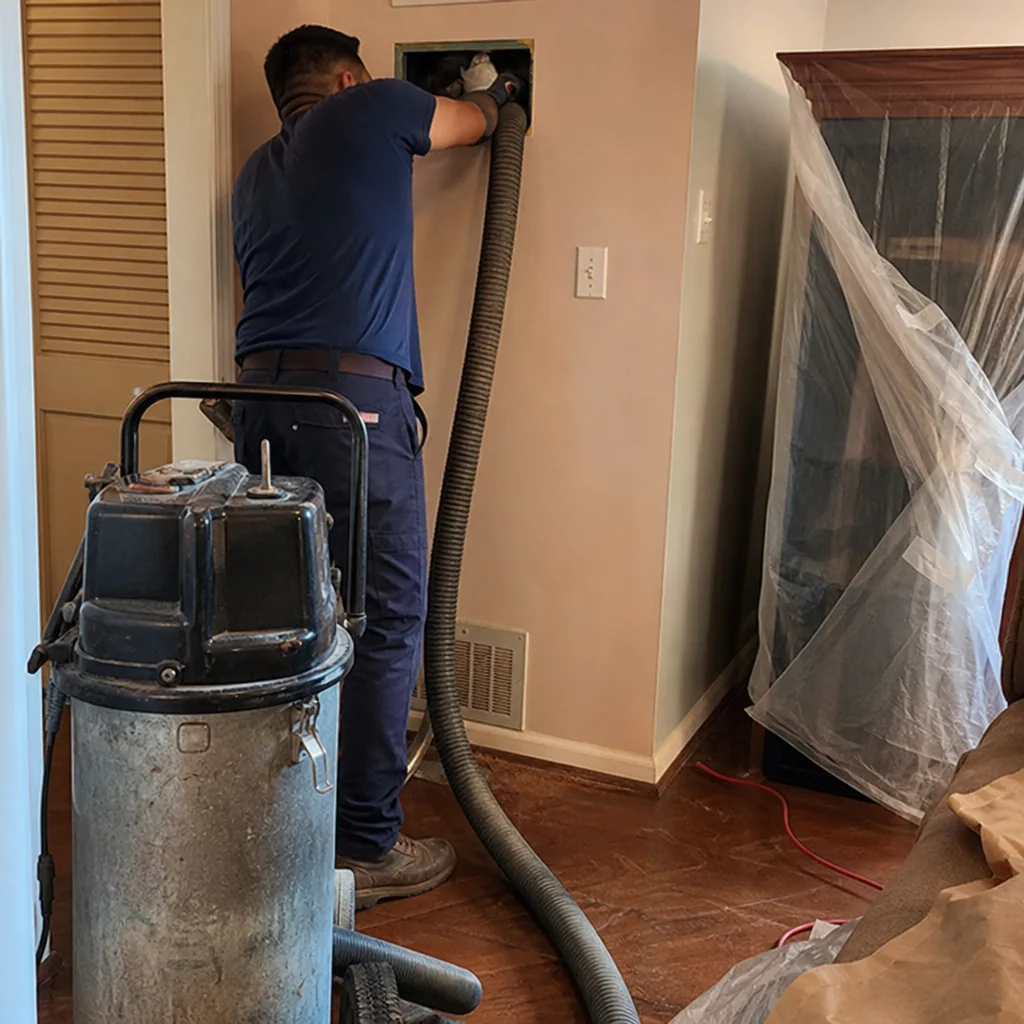 Before
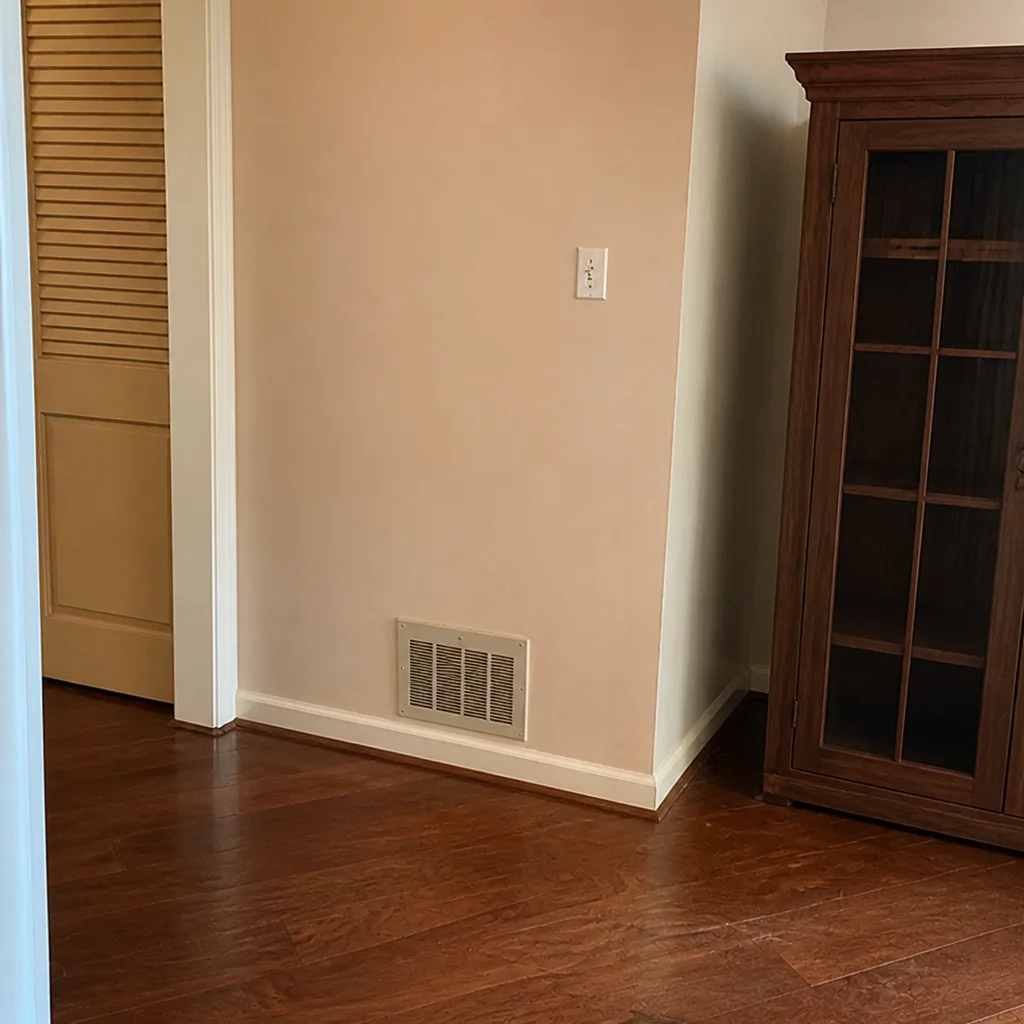 After
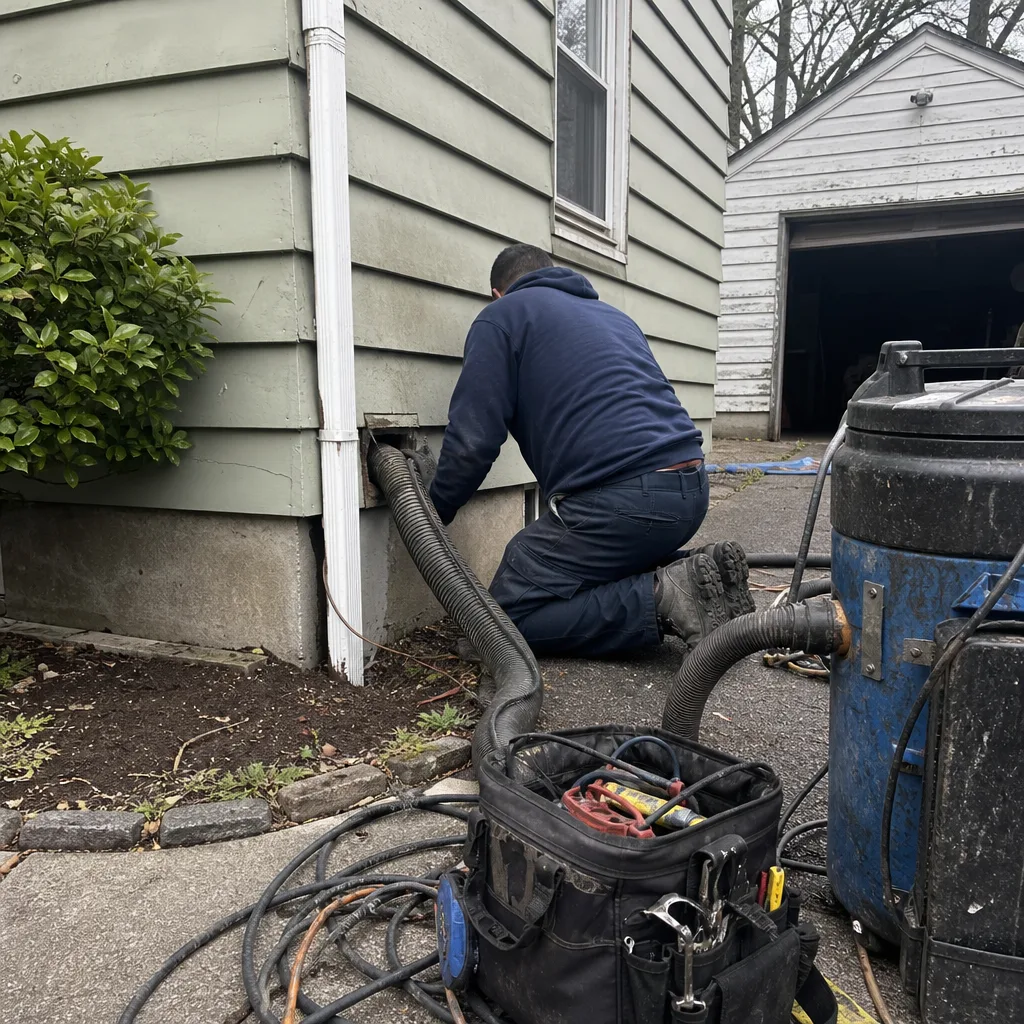 Before
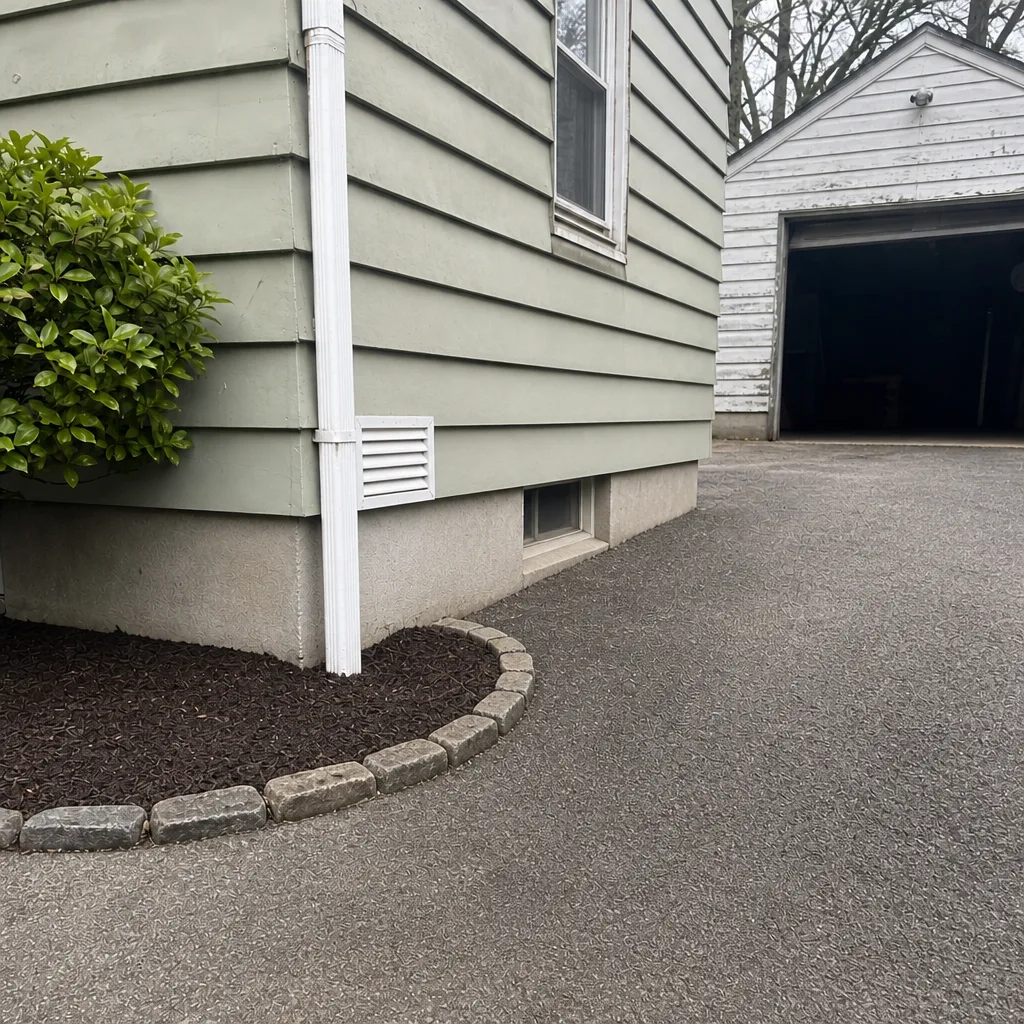 After
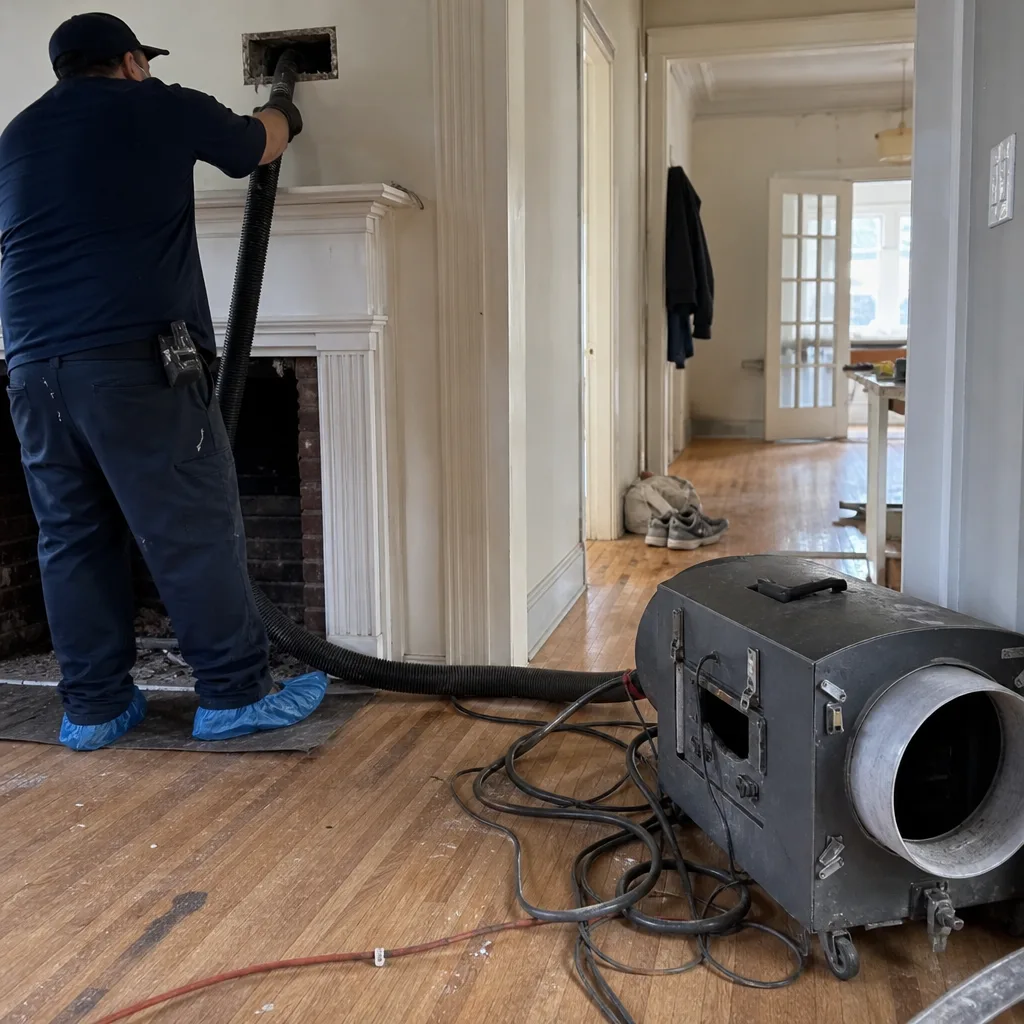 Before
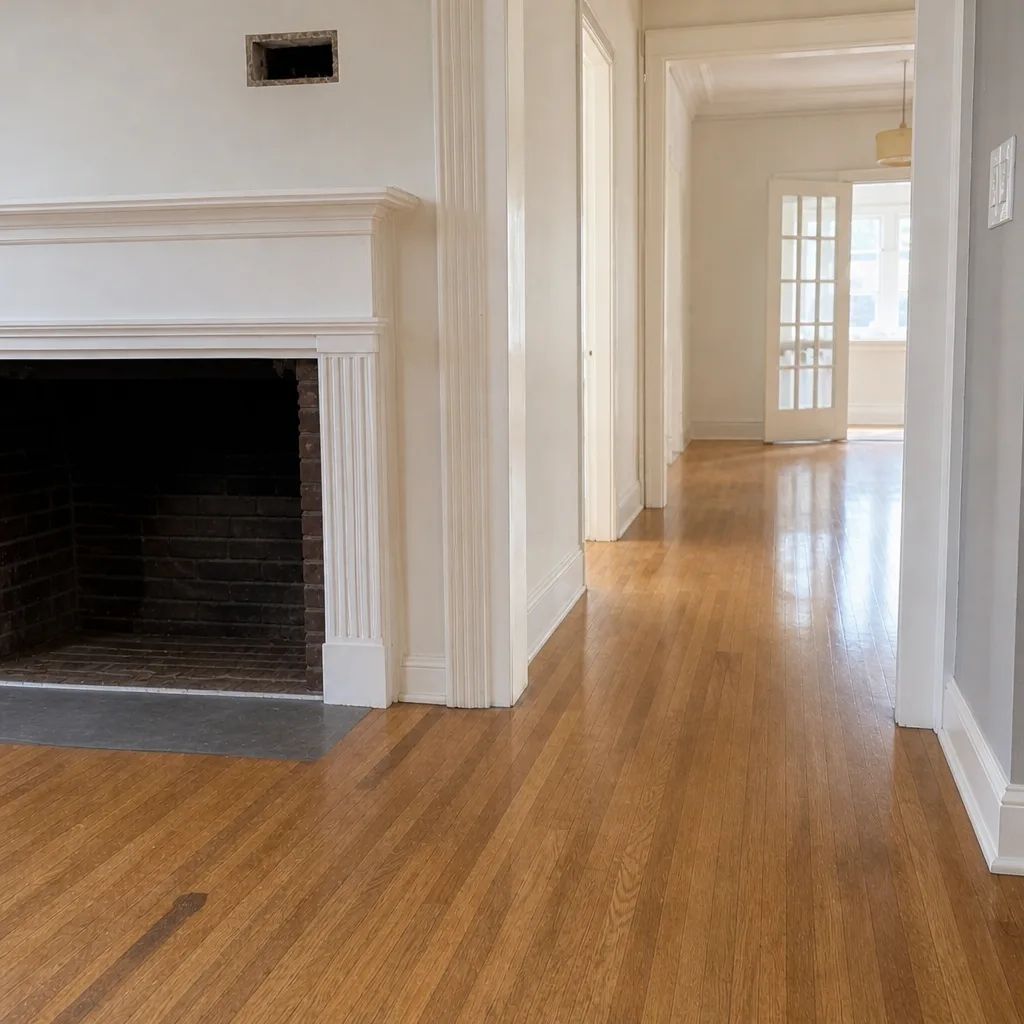 After
The Bottom Line
The house you live in already has a protocol for air duct emergencies. You just haven’t written it down yet. The essentials: know where your HVAC disconnect is, understand that running the system after a fire or flood makes it worse, document everything before you touch anything, and only hire a contractor who can name the equipment they use and delivers before-and-after photos as standard. The rest of this guide is context. The three emergencies – fire, water, and construction – all push contamination into the same return path, and the response is remediation-level cleaning, not coupon pricing. Ridgewood homes carry some specific risks around row-house dust migration and older duct work, which is why the scope matters more than the price.
Common Mistakes to Avoid
- Running the HVAC to “clear the air” after smoke. Every cycle of the fan redistributes contamination through the supply path and settles it deeper into duct lining. Shut the system off first, always.
- Hiring the cheapest quote without asking what equipment is used. In Ridgewood, we see this most often on basement ducts after minor flooding – the cheap quote cleans the visible run, misses the return trunk, and the mold returns in weeks.
- Skipping documentation before cleanup. Once surfaces are cleaned, there’s no way to prove what was there. Your insurer will ask, and you’ll have no record.
- Treating duct cleaning as a single-service fix after a fire. The coil, blower wheel, and filter grille need attention too – a duct clean without an HVAC clean often brings the residue right back.
- Assuming a musty smell is “just the basement.” Odors that intensify with the blower cycle are usually coming from the return system. That’s a phone call, not a candle.
- Waiting weeks after a renovation to schedule the duct cleaning. Drywall dust settles into the filter and coil while the system runs. The longer between renovation and cleaning, the harder the extraction.
- Not looking at the dryer vent as part of home safety. Lint is the leading fuel load that gets forgotten in household emergency planning. It’s easy to inspect and easy to clear.
Frequently Asked Questions About Emergency Response
We answer 24/7. A call outside dispatch hours is booked into the next opening, Sunday through Friday, 7am to 7pm. We’re closed Saturday.
Shut the HVAC off at the breaker or the air handler disconnect, dry what you can see, and photograph the wet areas. Then call (866) 443-1814 and we’ll scope the return path on the next available dispatch.
No. Estimates are free, and the price is set per job by the written estimate before work starts. Same flat price per system, agreed before work begins.
Yes. Our scope covers air duct cleaning, dryer vent cleaning, HVAC cleaning, duct repair and sealing, and air quality sanitizing in one visit where the assessment supports it. That full-system view is the reason we stock the equipment we do.
Yes – Rotobrush rotary brush systems, Nikro negative air machines, and Abatement Technologies filtration equipment are professional-grade tools used in commercial and remediation work. That’s not a consumer vacuum with a longer hose.
Contact Us for Emergency Air Duct Cleaning in Ridgewood
If you’re dealing with the aftermath of a fire, water intrusion, or renovation and you’re not sure whether the duct system took on damage, call us. A free estimate gives you the full picture – what was affected, what cleaning scope is appropriate, and what documentation you’ll need for your insurer. Ridgewood Air Duct Cleaning offers full-system service across air duct cleaning, dryer vent cleaning, HVAC cleaning, duct repair and sealing, and air quality sanitizing. Our technicians have up to 10 years of experience, and the equipment roster – Rotobrush, Nikro, Abatement Technologies, Honeywell, Aprilaire – reflects the seriousness of the work we take on. Call (866) 443-1814. We answer 24/7. Fast dispatch from 7am to 7pm, Sunday through Friday. The estimate is free, the price is set per job by written estimate, and before-and-after photos of your own ducts come standard.
Written by the team at Ridgewood Air Duct Cleaning.