
Last updated November 22, 2026
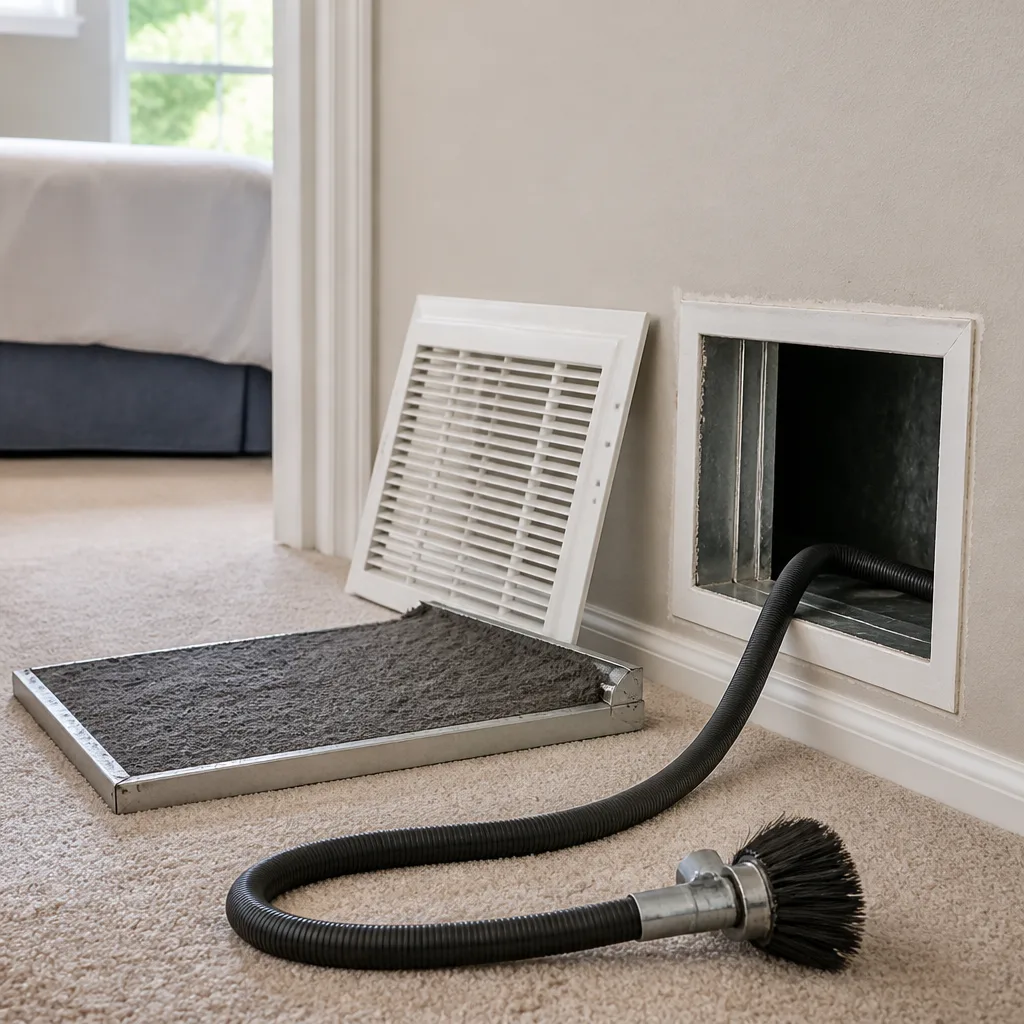 Whole-home duct cleaning
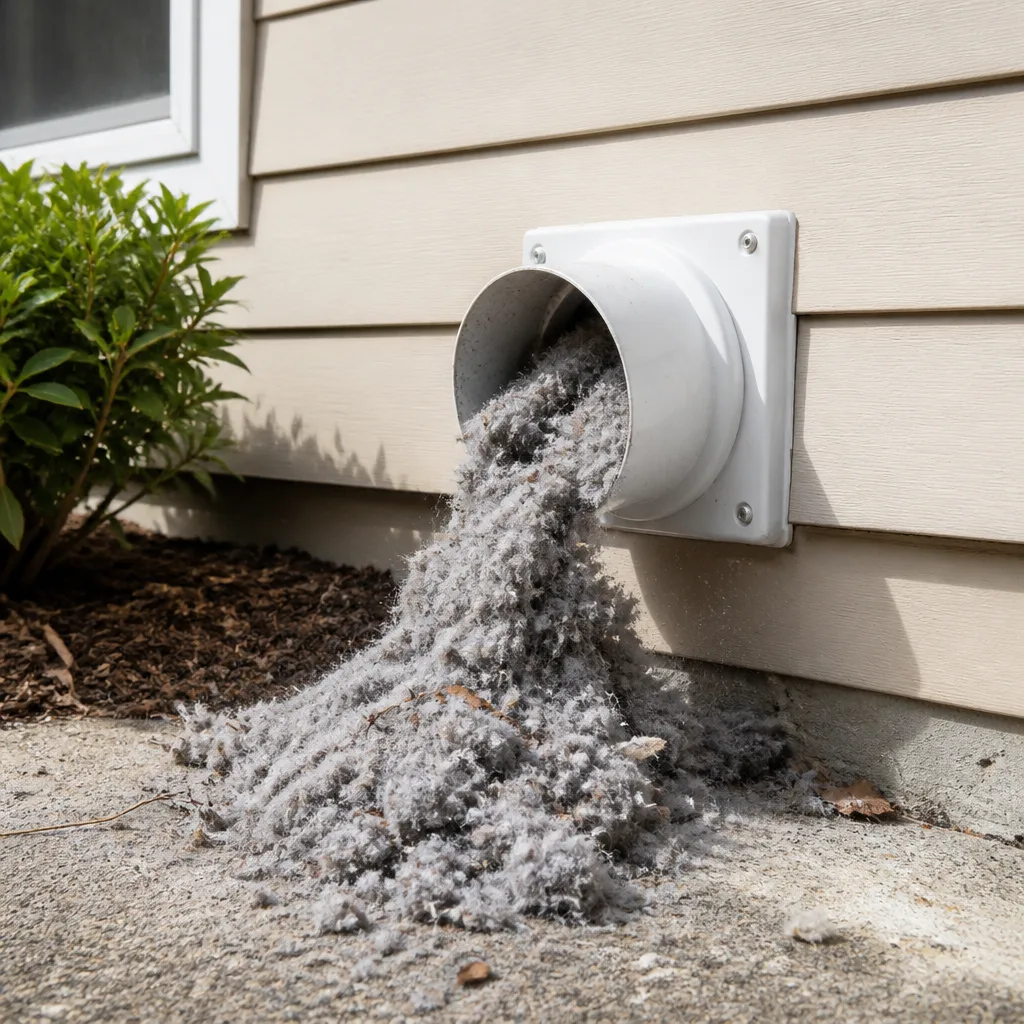 Dryer vent cleaning
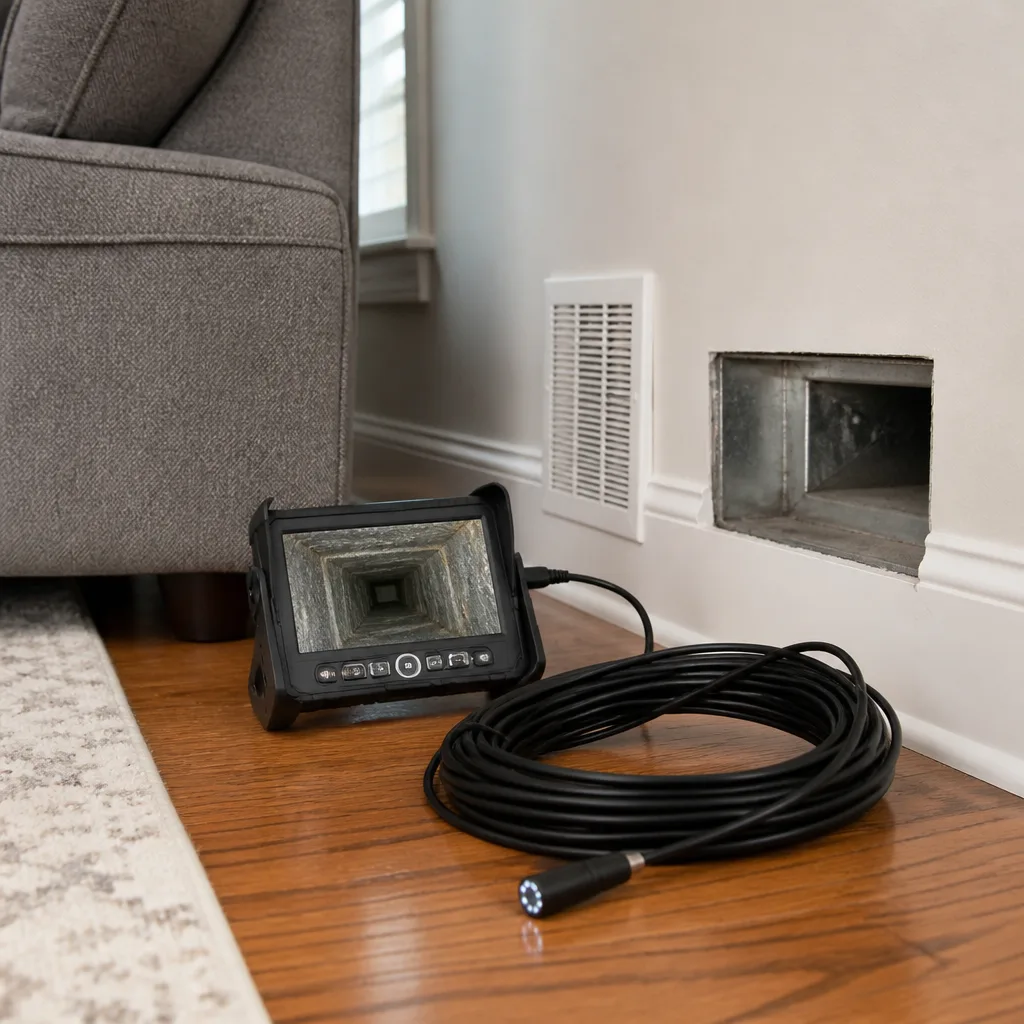 Camera inspection
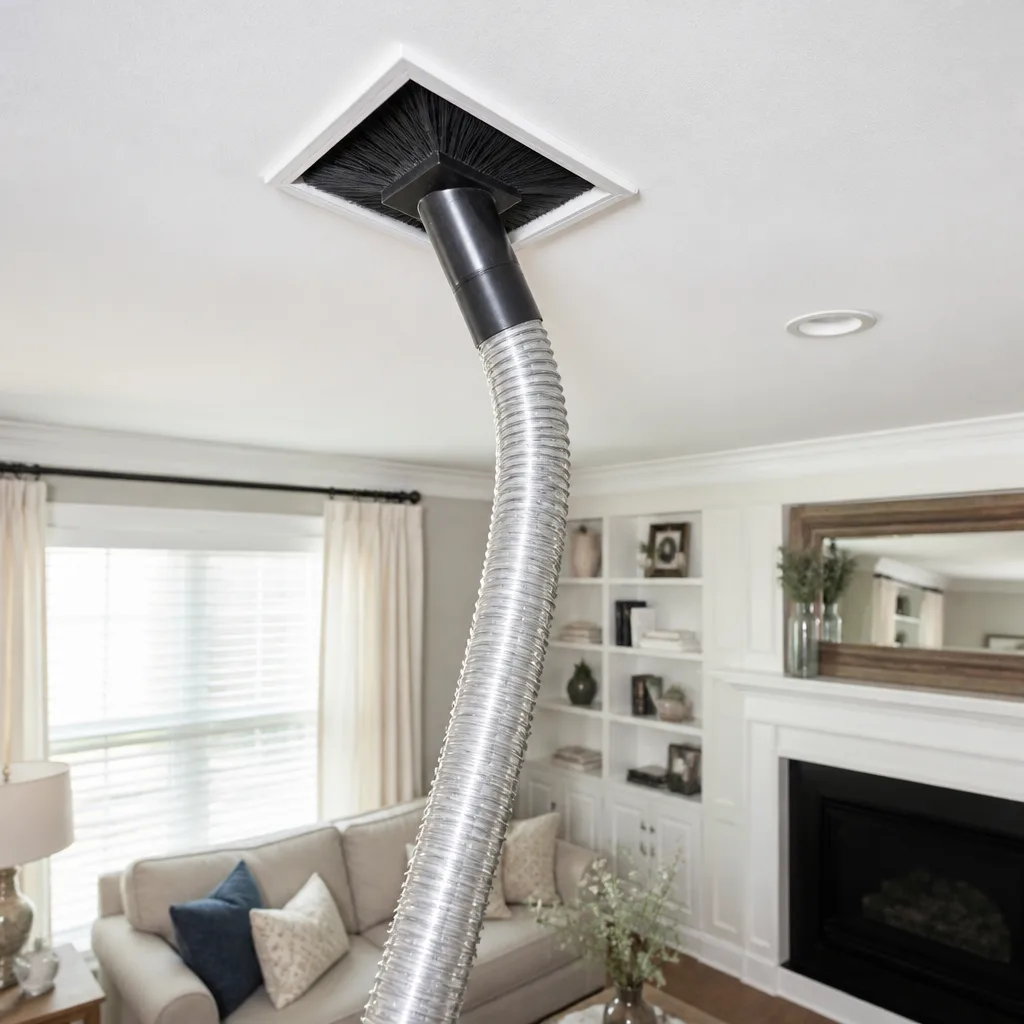 Sanitizing & deodorizing
Whole-system duct and dryer vent check with before-and-after photos - you see exactly what came out of your vents
That "$99 whole-house special" is a bait ad - the real number appears once they are in your hallway, or the "clean" is a shop-vac at the register. We photograph the inside of your ducts before and after instead.
Air Duct Cleaning Cost Breakdown: The Ridgewood Homeowner’s Reference for 2026
An $89 duct cleaning special and a $650 professional job are not the same service sold at different margins. They use different equipment, cover different parts of the system, and leave your home in measurably different condition. That gap is exactly why quotes in Ridgewood can land anywhere from under a hundred dollars to nearly a thousand for what sounds like the same line item on paper. This guide breaks down what actually drives the spread, what each pricing tier delivers, and how to read a quote so you can judge scope instead of a number. If you’ve been collecting estimates and wondering why they don’t agree, this is written for you.
Quick Answer
Air duct cleaning in Ridgewood typically runs about $300 to $700 for a standard home, with small apartments at the lower end and larger multi-family or heavily contaminated systems pushing past $700. The price depends on register count, system size, access difficulty, and whether real equipment with HEPA filtration is used. A written, scope-based estimate from a professional should always set the final price.
Styles & brands we work with
- Whole-home duct cleaning
- Dryer vent cleaning
- Camera inspection
- Sanitizing & deodorizing
Table of Contents
- Why the same house gets quotes from $89 to $900
- What’s actually in the price: the three billing models
- Equipment cost reality: why professional gear costs more to run
- Ridgewood-specific pricing variables
- The add-on legitimacy test
- How to read a quote like a professional
- Common mistakes to avoid
- Frequently asked questions
Why the Same House Gets Quotes From $89 to $900
The number on a duct cleaning quote reflects a decision the contractor made about what “cleaning” means. A low quote usually describes a surface pass: a shop-vac-style vacuum at the registers and maybe a wipe of the vent covers. A higher quote describes a full-system job: negative air pressure pulling debris out, rotary brushing through the supply and return runs, the air handler opened and cleaned, and filtration checked at the end. Those are different scopes, not different prices for the same work.
We’ve seen this play out across Queens for years. In our experience, the single biggest reason two bids on the same Ridgewood row house don’t match is that one bidder counted registers and the other counted the whole system. One cleans what’s visible. The other cleans the pathway the air actually travels, from the return grille through the blower and back out to every supply boot.
There’s a third variable most homeowners never see on the quote: equipment. A contractor running a Ridgewood Air Duct Cleaning van with a Rotobrush rotary brush system and a Nikro negative-air machine carries real overhead. Someone running a wet-dry vac from a hardware store carries almost none. Both can hand you a piece of paper with a number. Only one is doing the job that removes the debris.
Here’s the short version of what each tier typically delivers:
- Under $150: Usually a coupon teaser. Covers a few registers at most, no air handler, no negative pressure, and often a hard upsell once the technician is on site.
- $150 to $300: A partial clean. May brush some runs and vacuum the returns, but skips the air handler or the filtration path.
- $300 to $700: The real range for a full-system clean in Ridgewood. Supply and return ducts, air handler, registers, and negative-air containment.
- $700 and up: Larger multi-family buildings, heavy contamination, or systems that need duct repair and sealing in the same visit.
The spread isn’t a pricing mystery. It’s a scope question. The rest of this guide breaks that scope down piece by piece.
What’s Actually in the Price: The Three Billing Models
Every duct cleaning quote is built on one of three billing models, and the model the contractor chose tells you a lot about what they’re incentivized to do or skip.
1. Per-register pricing
You pay a set price for each vent. On the surface it feels fair: more vents, more money. But per-register pricing rewards speed. A technician who spends two minutes per register moves on quickly, and there’s no incentive to open the air handler or brush the long horizontal runs. Per-register billing also makes it easy to quote a low number by counting only the supply vents and quietly ignoring the returns, which are often dirtier because they pull air from the floor.
2. Flat-rate pricing
One number for the whole job, regardless of system size. That can be honest, but it’s only honest if the scope is written down. A vague flat rate with no scope is where bait-and-switch lives: the flat rate covers a minimal pass, and everything beyond that becomes an upgrade once the technician has his equipment in your hallway.
3. Whole-system pricing
One flat price per system, agreed before work starts, covering supply ducts, return ducts, registers, and the air handler. This is the model that protects you. The contractor commits to the full scope up front, so there’s nothing to add once the work begins. If the system is unusually large or dirty, that gets discussed during the estimate, not after the technician is already there.
Whole-system pricing is also the model that matches how air actually moves. Ducts, blower, and filtration are one pathway. Cleaning part of a pathway leaves the rest to recontaminate it. That’s why an air duct cleaning job that stops at the ducts without touching the air handler tends to deliver less than the homeowner expected.
When you compare quotes, first identify the model. Per-register quotes can’t be compared to flat-rate quotes on number alone. Both need to be translated into scope before the number means anything.
Equipment Cost Reality: Why Professional Gear Costs More to Run
A truck-mounted or high-capacity vacuum with HEPA filtration, a rotary brush system, and negative-air containment cost tens of thousands of dollars to buy and maintain. A shop-vac costs a couple hundred. That difference is not marketing. It shows up in what actually leaves your home and in the air quality inside the home while the work happens.
Take negative air pressure. A Nikro negative-air machine pulls the entire duct system into slight vacuum before any brushing starts, so loosened debris goes into the collection filter instead of back into your living room. A shop-vac can’t do this. It moves air, but it doesn’t establish pressure control across a whole system. Brushing without negative pressure is brushing dust into the air you’re standing in.
The rotary brush matters too. A Rotobrush system is built for duct interiors: it spins a soft brush through the run to lift attached debris, with the vacuum collecting what it frees. Consumer gear can’t reach into the run, which is why the cheap pass focuses on the register and nothing else. The debris that matters is deeper in, and the brush is what gets it out. We pair that with Abatement Technologies air filtration for jobs that need remediation-level containment, like mold concerns or post-renovation dust.
Overhead is higher on this equipment, and the price reflects it. But the price is also doing something concrete: it’s paying for the tools that actually remove the debris and the containment that keeps it out of the room while it happens. That is what the spread between $89 and $650 is really paying for.
Ridgewood-Specific Pricing Variables
Ridgewood’s housing stock is mostly row houses, semi-detached homes, and multi-family buildings, and each type creates a different pricing picture. These are the variables that move the number most in Ridgewood neighborhoods.
System size and building type
A modest row house on a typical Ridgewood block usually has eight to twelve register points and one central air handler. That’s the standard full-system job. A semi-detached with a larger footprint can push higher. A multi-family building with two or three separate systems multiplies the work: multiple air handlers, longer runs, and separate filtration checks for each.
Access in older buildings
Many Ridgewood homes are older construction, and access shapes labor time. Duct runs might pass behind finished ceilings, under low crawl sections, or through spaces that require the technician to move furniture to get at a register. A system that’s easy to access is faster and cheaper to clean thoroughly. A system that isn’t adds time, and time is part of the quote.
Dryer vent run length
Dryer vents in stacked units or multi-family buildings can run long distances to the exterior. Long runs mean more labor and more equipment to get a proper clean, and they matter for safety because lint buildup is a documented fire risk. Dryer vent cleaning on a short run is a quick add-on. On a long, hidden run in a multi-family building it’s a real job, and the quote should reflect it.
HVAC condition
Dirty coils inside the air handler add work. Coil cleaning is part of what we call HVAC cleaning, and if the coils are caked, the job takes longer and the ventilation improves more. Ask whether the quote covers the coils or just the ducts. Those are two different line items.
Every Ridgewood home is its own mix of these variables. That’s why a number without a scope doesn’t tell you much. A real estimate accounts for building type, access, and dryer vent runs before it lands on a price.
The Add-On Legitimacy Test
Add-ons are where the margin lives in this trade, and where a homeowner can spend extra on services that do very little. Here’s how to sort the real ones from the padding.
Genuinely valuable add-ons
- Coil cleaning. The evaporator coil inside the air handler collects dust and can grow biological growth when it stays damp. A dirty coil reduces efficiency and is exactly the spot a duct clean might miss if you don’t ask for it. Worth it if the coils haven’t been done in years.
- Duct repair and sealing. Leaky ducts pull in unfiltered air and bleed off conditioned air. Repairing and sealing the leaks in the same visit makes the cleaning actually stick, because a sealed system stays cleaner. This is native work, not a referral.
- Sanitizing where it’s warranted. If the system shows signs of biological growth, mold, or persistent musty odor, a sanitizer application makes sense after full cleaning. If there’s no growth, sanitizing over a clean system does very little. Legitimate outfits recommend it when the evidence supports it, not by default.
Add-ons to question
- Per-vent surcharges after the estimate. A quote that grows because a technician “found more vents” once he’s on site is a red flag. Vent count belongs in the estimate.
- Cabinet-and-drawer fogging. These are sold as a whole-home improvement but do not clean the ducts or the HVAC system. If you care about duct debris, the ducts are where the money belongs.
- Sanitizer sold in every quote. Sanitizing has a real place. It has no place on a clean system with no growth. If it shows up on every quote before anyone looked inside, it’s margin padding.
The legitimate add-ons share a trait: they address a specific condition the technician observed inside your system. Ask to see it. Professional work is transparent by design, and part of what you’re paying for is a technician who can show you what’s actually in the ducts before recommending anything.
How to Read a Quote Like a Professional
A good quote is a scope document, not a number on a card. The difference protects you from a bait-and-switch and gives you something to compare bids against. Here’s what a detailed, scope-based quote includes, and what a vague flat-rate quote hides.
What a scope-based quote covers
- System inventory: how many supply runs, how many returns, how many register points, and how many air handlers. This is the actual size of the job.
- Scope of cleaning: are the ducts being brushed and vacuumed, is the air handler being opened and cleaned, are the registers removed and cleaned, is the blower being cleaned.
- Containment and filtration: is negative air pressure being used, and is the collection fitted with HEPA-grade filtration. This protects your rooms during the work.
- Add-ons listed separately: coil cleaning, sanitizer, and dryer vent should be itemized with prices so you can accept or decline each one.
- Total price and terms: one flat price per system, agreed before work starts, with no per-vent escalation.
- Verification: before-and-after photos of your own ducts, so you can see what actually changed.
What a vague flat-rate quote hides
A flat-rate quote without a scope leaves every one of those decisions undecided. You don’t know if the air handler is included. You don’t know if negative pressure is used. You don’t know if the technician will lean on you mid-job to add coil cleaning and a sanitizer at a premium. When the price arrives later, there’s nothing to compare it to.
Here’s how to evaluate the number once the scope is clear:
- If the quote is under $150, ask what’s covered. If it’s registers only, the answer is nothing that removes debris from your ducts.
- If the quote is in the $300 to $700 range, look for full-system coverage with the air handler and containment included.
- If the quote is $700 or more, ask whether the system is larger than a standard Ridgewood layout, or whether duct repair, coil cleaning, and dryer vent length are driving it.
The written estimate sets the final price. If a quote is honest and detailed, you’ll see exactly what you’re paying for, and you can walk into the job knowing what you’ll be handed at the end.
Common Mistakes to Avoid
- Buying on the number alone. Two quotes for the same system can differ by hundreds of dollars because they cover different scope. Compare what’s included before you compare the totals.
- Trusting a coupon without a scope. A teaser price exists to get the technician into your home, not to price the actual job. Ask what the coupon covers and what triggers an additional charge before you book.
- Skipping the air handler. The blower and coils sit inside the system, and if they go unopened, debris stays in the pathway and recontaminates what was cleaned. A quote that stops at the registers is a partial job.
- Accepting a per-vent price increase mid-job. Vent count belongs in the estimate. If it changes on site, stop and ask for a revised scope before any work starts.
- Ignoring the dryer vent. Dryer vent cleaning is not an upsell. Lint buildup in a vent run is a documented fire risk, and in a stacked or multi-family Ridgewood building with a long run, it deserves its own line on the quote.
- Paying extra for a sanitizer that was never justified. Sanitizing has a real place when there’s biological growth. On a clean system with no growth, it’s a line item with limited effect. Ask to see what’s driving it.
- Not asking for before-and-after photos. Photos of your own ducts are the simplest way to confirm the work was actually done and how thoroughly.
- Skipping the leak check. An unsealed system stays dirty. If duct repair and sealing aren’t part of the conversation, the cleaning won’t hold its value as long as it should.
See the difference
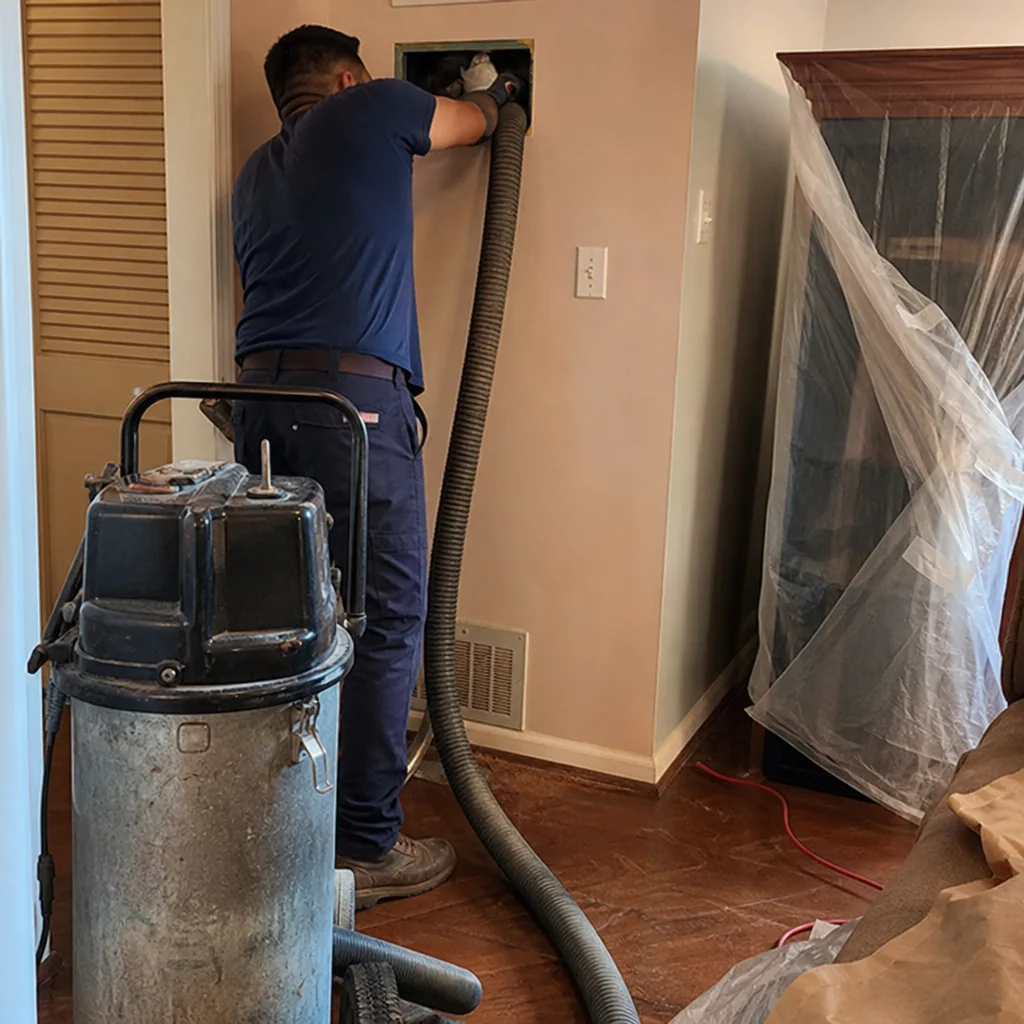 Before
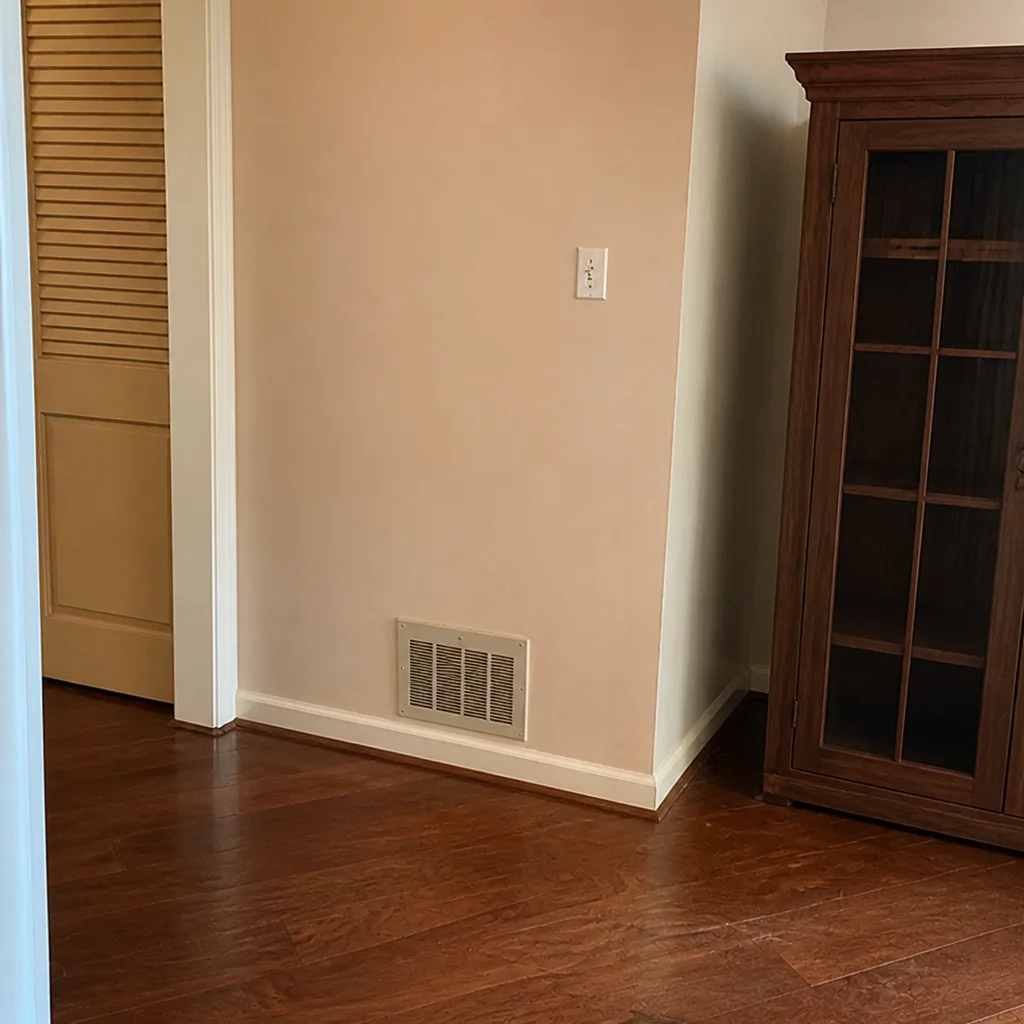 After
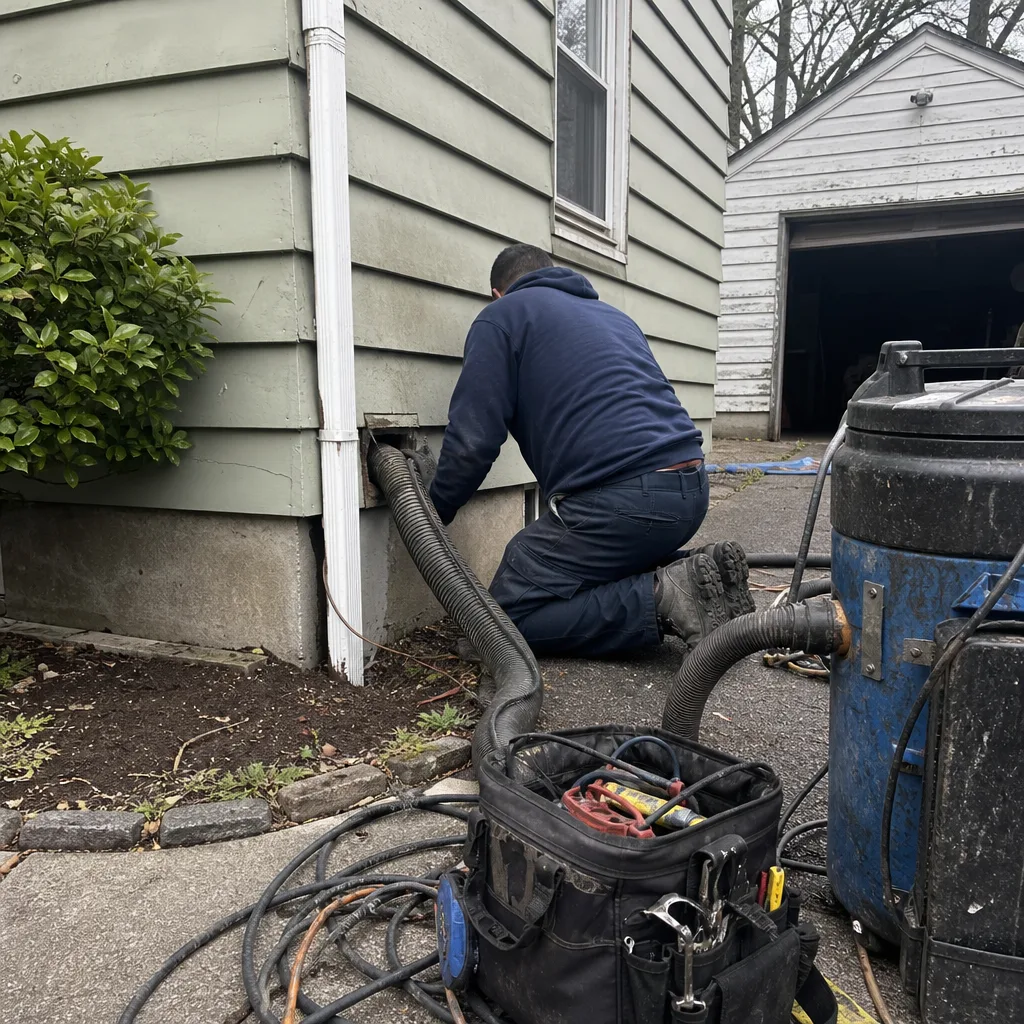 Before
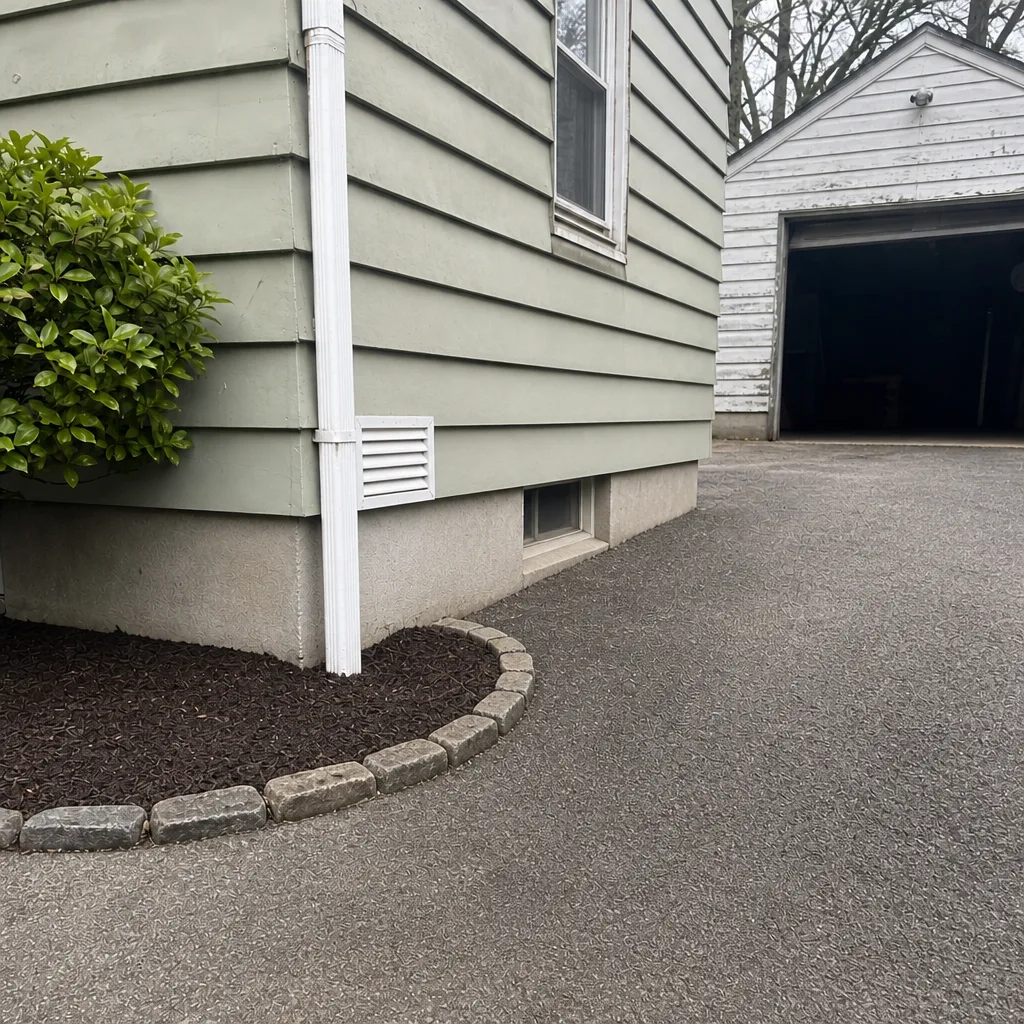 After
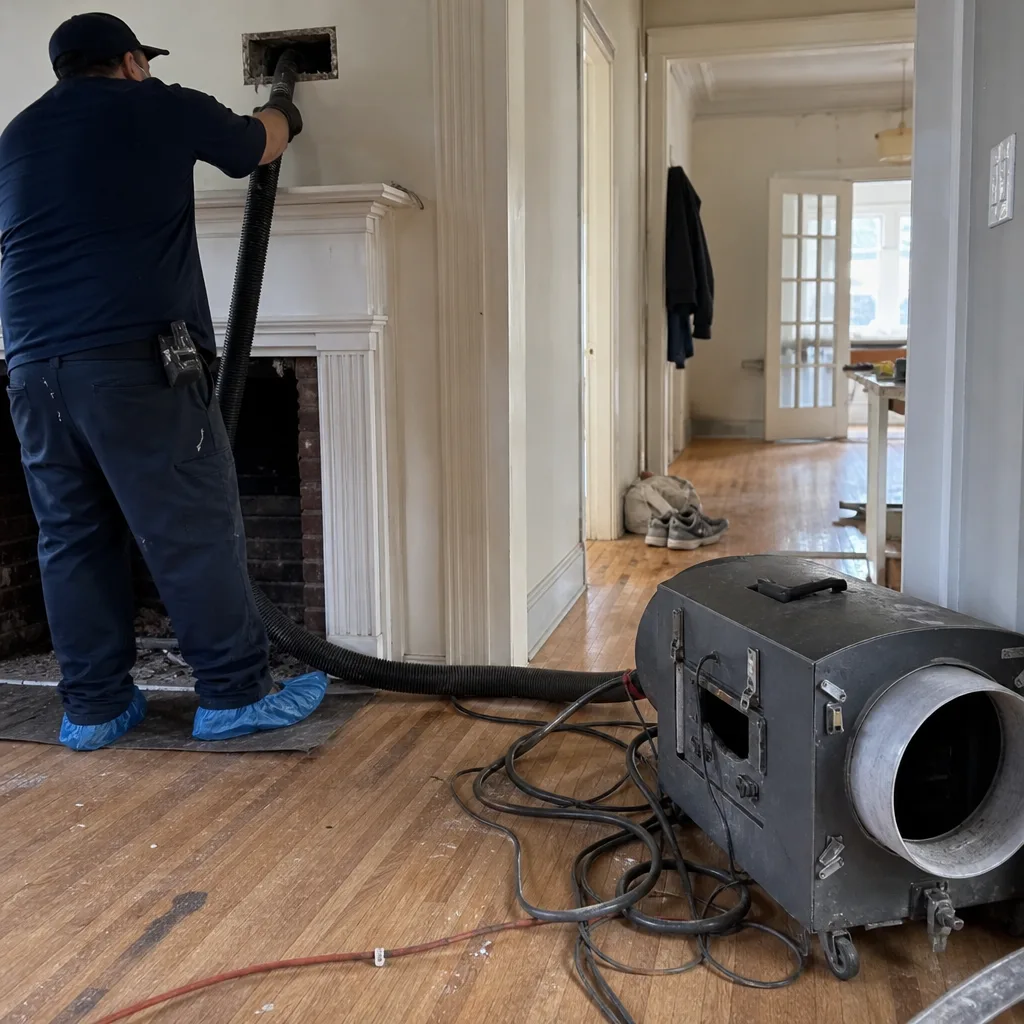 Before
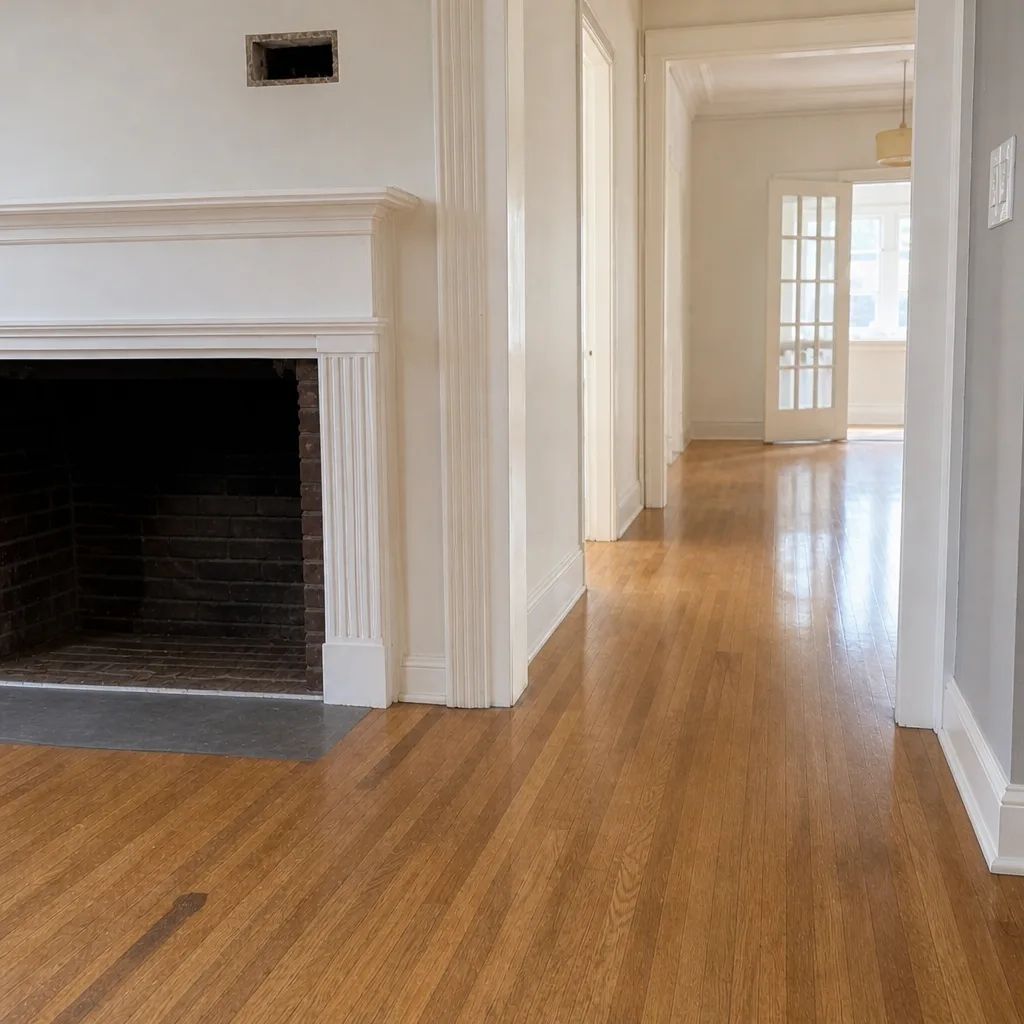 After
When to Call a Professional
Some conditions call for a professional clean rather than waiting or handling it yourself. If you’ve noticed more dust settling on surfaces than usual, allergy symptoms that seem worse indoors, a musty smell when the HVAC runs, or visible dust blowing out of a register, those are signs the duct system is holding more than it should. Reduced airflow or higher energy bills can also point to a clogged coil or a partially blocked system. If you’ve just finished a renovation, drywall dust and construction debris get pulled into the return side and pushed through the air handler, and remediation-level containment is the difference between pulling that out and moving it around the room.
Ridgewood Air Duct Cleaning offers free estimates in Ridgewood. Call (866) 443-1814. We answer 24/7. Fast dispatch from 7am to 7pm, Sunday through Friday. Our technicians have up to 10 years of experience, and we use professional-grade equipment including Rotobrush and Nikro systems, so the estimate you get is based on what’s actually inside your system.
Frequently Asked Questions
A full-system clean in Ridgewood typically runs about $300 to $700. The final price depends on register count, system size, access difficulty, and whether duct repair or long dryer vent runs are involved. A written estimate sets the exact price per system before work starts. Call (866) 443-1814 for an exact quote: estimates are free.
Cheap quotes usually cover a surface pass at the registers with consumer-grade vacuums, not a full-system clean with negative air pressure and rotary brushing. The difference is equipment, scope, and containment, not a discount on the same service. If a quote is under $150, ask exactly what it includes. Call (866) 443-1814 for a scope-based estimate you can compare line by line.
Ask for before-and-after photos of your own ducts, and ask whether the air handler was opened and cleaned. A professional job shows evidence: photos of the interior, photos of the containment in place, and a written scope that matches what you paid for. Call (866) 443-1814 for a free estimate that spells out exactly what will be done.
Most homes can go several years between cleanings if the filtration is maintained and the system is sealed. Homes with significant dust, allergy concerns, pets, recent renovation, or a visible dust problem may need it sooner. The honest answer depends on what a technician finds inside the system, not on a fixed schedule. Call (866) 443-1814 and we’ll look before you decide.
Yes, usually. A multi-family building can have two or three separate systems, which means multiple air handlers, longer duct runs, and separate filtration checks for each unit. That work is priced per system, not per building. Call (866) 443-1814 for a free estimate scaled to your actual layout.
Coil cleaning is worth it when the coils are dirty, which affects efficiency and air quality. Sanitizing is worth it when there’s biological growth, mold, or a persistent musty odor, and it does very little on a clean system. Both should be recommended based on what’s found inside, not added by default. Call (866) 443-1814 for an honest assessment.
The Bottom Line
The spread between an $89 duct cleaning and a $650 one isn’t a pricing quirk. It’s a scope question. Per-register pricing rewards speed and misses the air handler. Vague flat rates hide upgrades that arrive mid-job. Whole-system pricing, agreed before work starts, is the model that matches how air actually moves through a Ridgewood home: ducts, blower, coils, and filtration as one pathway. Compare quotes on scope, confirm containment and HEPA filtration, ask to see before-and-after photos, and ask whether duct repair and sealing are part of the job. The number that came from a detailed scope is the one that protects you. A sealed, cleaned system is the one that stays that way.
Get a Free, Scope-Based Estimate
If you’ve collected a few quotes and can’t tell what they actually cover, call us at (866) 443-1814 for a free estimate. We answer 24/7. Fast dispatch from 7am to 7pm, Sunday through Friday. The written estimate sets one flat price per system, and you’ll see what’s included before any work starts. Ridgewood Air Duct Cleaning works with professional-grade tools including Rotobrush, Nikro, and Abatement Technologies, so what comes out of your ducts is a full-system result, not a surface pass.
Written by the team at Ridgewood Air Duct Cleaning.