
Last updated November 22, 2026
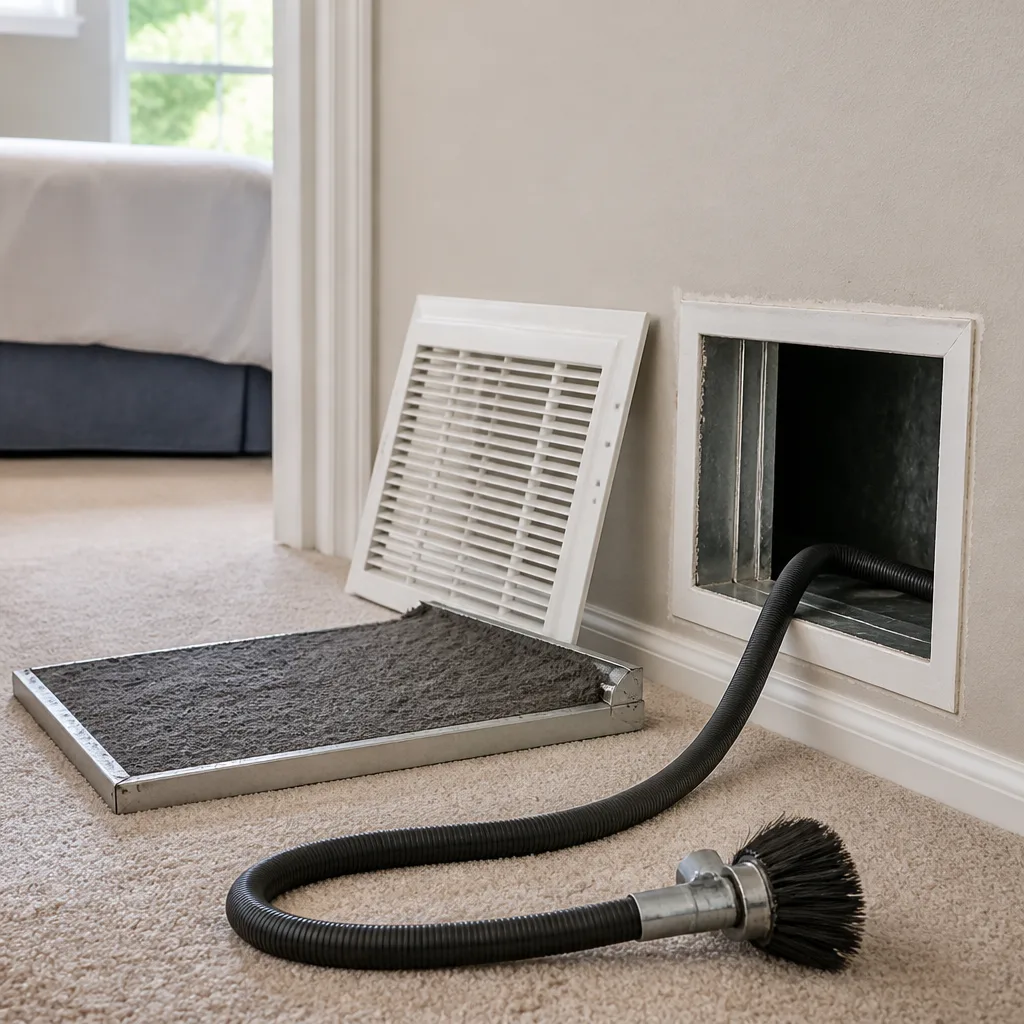 Whole-home duct cleaning
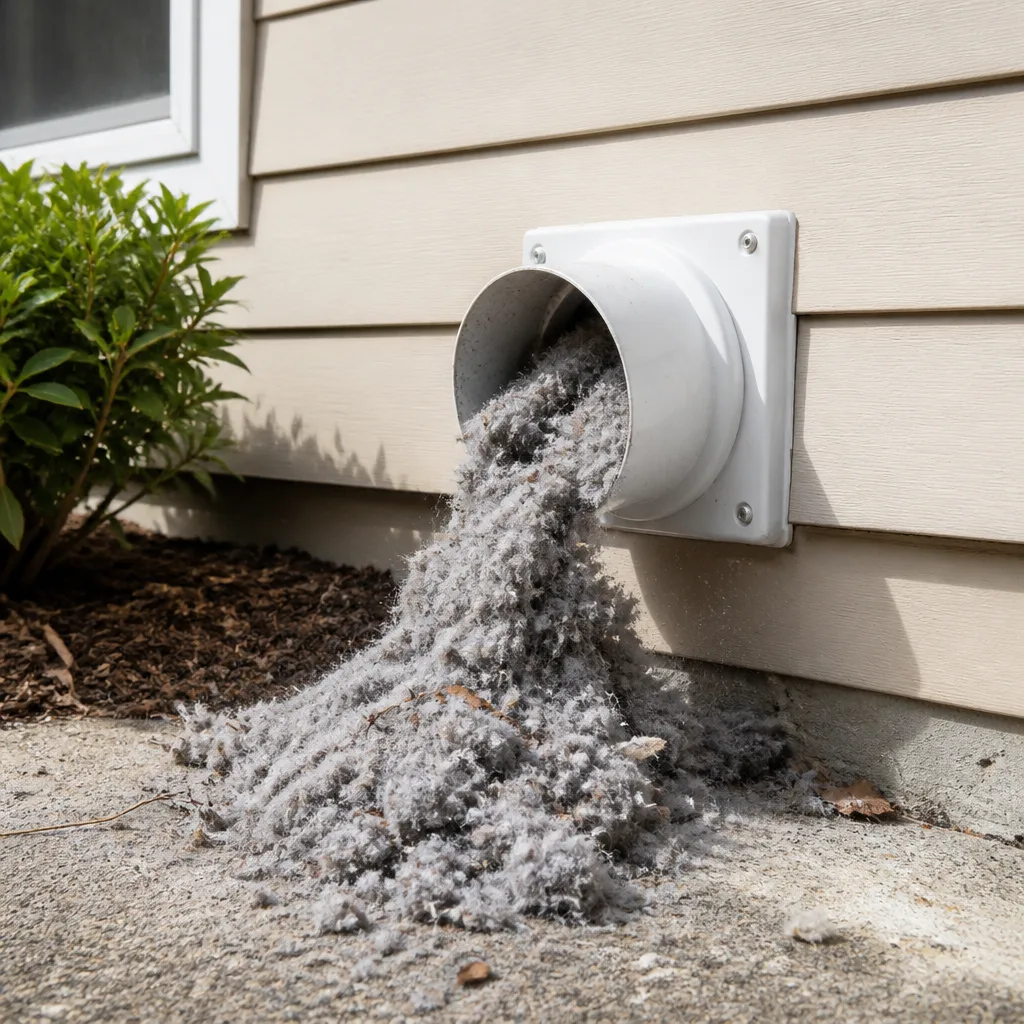 Dryer vent cleaning
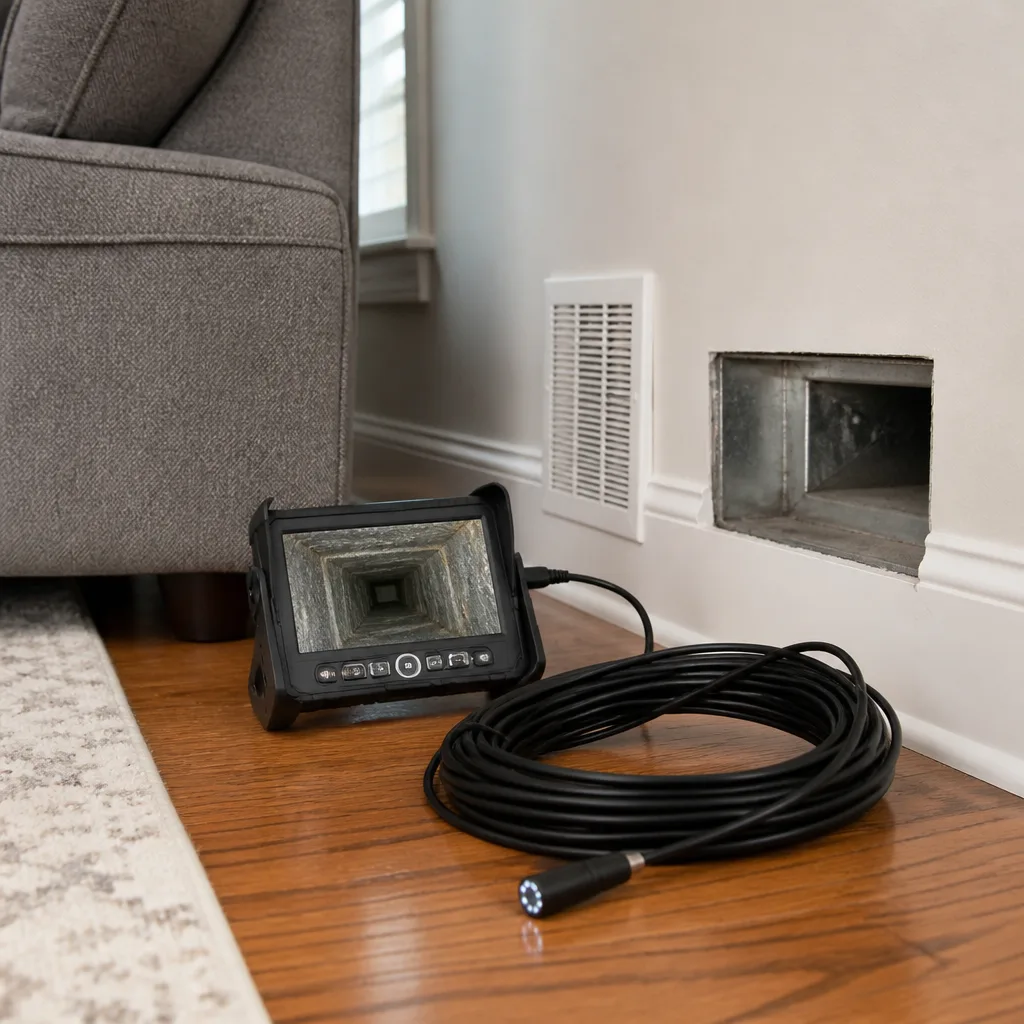 Camera inspection
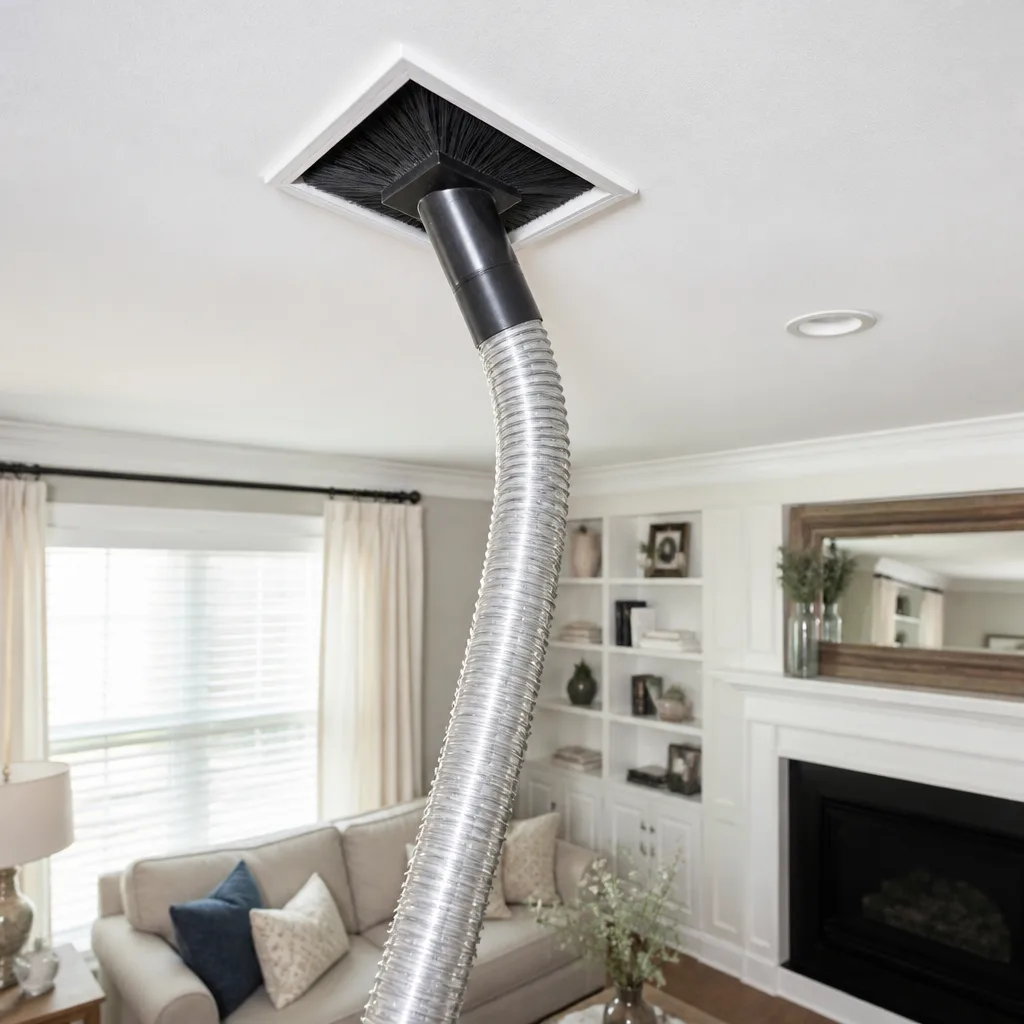 Sanitizing & deodorizing
Whole-system duct and dryer vent check with before-and-after photos - you see exactly what came out of your vents
That "$99 whole-house special" is a bait ad - the real number appears once they are in your hallway, or the "clean" is a shop-vac at the register. We photograph the inside of your ducts before and after instead.
Air Duct Cleaning Warning Signs: A Ridgewood Homeowner’s Reference Guide
Dust on registers is a late-stage signal, not an early warning. By the time you can see accumulation building on a supply grille, the system has usually been redistributing contamination through a full heating or cooling season already. The real warning signs show up earlier and quieter: a room that never heats like the rest of the house, a filter that clogs months ahead of schedule, a smell that only appears when the fan kicks on. This guide walks through the specific, observable indicators Ridgewood homeowners can actually point to, so when you call a technician you can say “the back bedroom has weak airflow and the filter is loading up in six weeks” instead of “it smells weird.”
Quick Answer
The main warning signs of a duct system that needs cleaning are uneven airflow from room to room, musty or burning odors when the HVAC starts, filters clogging well before their rated interval, visible dust streaks around grilles, pest evidence near return openings, and lingering construction dust after renovation. Any one of these is worth an inspection. Two or more together usually point to a full-system problem rather than a surface issue.
Styles & brands we work with
- Whole-home duct cleaning
- Dryer vent cleaning
- Camera inspection
- Sanitizing & deodorizing
Table of Contents
- What Your Duct Odors Are Actually Telling You
- Airflow Asymmetry: The Room-by-Room Check
- Filters and Short-Cycling as Indirect Signals
- Pest Evidence Near Return Grilles in Older Ridgewood Buildings
- Post-Renovation Dust: A Different Cleaning Problem
- How a Professional Inspection Actually Works
- What Air Duct Cleaning Costs in Ridgewood
- Common Mistakes to Avoid
- When to Call a Professional
- Frequently Asked Questions
What Your Duct Odors Are Actually Telling You
Odor is the most reported warning sign and the least understood. Homeowners describe it as “musty” or “weird,” but the type of smell narrows down where the problem lives. Get specific about what you’re smelling and when it appears, and a technician can often tell you what to expect before opening a single grille.
- Musty, damp smell at startup: usually moisture somewhere in the system, most often at the evaporator coil or in a return duct that runs through a humid space. A damp coil grows biological growth and the blower pushes that smell through the whole house. In Ridgewood’s humid summer months, a coil that drains poorly or a return that picks up basement dampness is a common culprit.
- Burning smell on the first heat of the season: often just dust burning off the heat exchanger. But if it persists past the first few cycles, or smells sharp rather than dusty, stop and have it checked. A burning odor that doesn’t clear is a safety question, not a cleaning question, and should be looked at by a qualified technician before the system runs again.
- Chemical or solvent smell: off-gassing from new materials. If you’ve just had cabinets, flooring, or paintwork done, the duct system can hold and recirculate those vapors. This is a ventilation and filtration issue as much as a cleaning one.
Note the timing too. A smell that appears only when the fan runs points to the duct path. A smell that’s constant points to something in the room itself. Our air duct cleaning assessment starts with exactly this kind of odor mapping because it tells us where to look first.
Airflow Asymmetry: The Room-by-Room Check
Uneven airflow is the single most useful sign a homeowner can gather on their own, and almost nobody does it deliberately. You don’t need tools. You need fifteen minutes on a day when you’re home and the system is running.
- Turn the system on and let it run for ten minutes so it reaches steady state.
- Go to each room and hold your hand flat over the supply register. Note whether the flow feels strong, medium, or weak.
- Do the same at the returns. A return that pulls weakly, or that whistles, is telling you something.
- Write down the results room by room, including which side of the house and which floor.
- Repeat once more when the season changes from heating to cooling.
A single weak room can be a closed damper, a crushed flex duct, or a register that’s been painted shut. Several weak rooms clustered on one side of the house, or on the far end of a long run, points to blockage or leakage upstream. A Ridgewood two-story or a converted multi-family often has duct runs that were extended or rerouted over the years, and the weak rooms tend to sit at the end of the longest path. That pattern tells a technician where to start looking before anything is taken apart. It also means the answer might be duct repair and sealing rather than cleaning alone, which is why we treat the two as one job rather than a referral.
Filters and Short-Cycling as Indirect Signals
Your filter is a diagnostic tool. A filter that loads up in six weeks when it’s rated for three months is catching something the system is recirculating, and that something is coming from the duct path or the return side. Track your change interval honestly for a full season and it will tell you more than any single inspection glance.
Short-cycling is the second indirect signal. When a system runs in short bursts, shuts off before reaching setpoint, then restarts, the cause is often restricted airflow. A clogged filter, a blocked coil, or a duct system that’s leaking or undersized for the space can all produce it. That’s a pattern worth describing to a technician in plain terms: “it runs for a few minutes, stops, and starts again before the house is comfortable.”
A well-sealed, clean system behaves the opposite way: filters last closer to their rated interval, the blower isn’t straining, and rooms reach temperature without the unit working overtime. That connection between duct condition and HVAC efficiency is the whole reason we offer HVAC cleaning as part of the same visit rather than a separate appointment months later. Cleaning the ducts without looking at the air handler is only half the pathway.
Pest Evidence Near Return Grilles in Older Ridgewood Buildings
Older housing stock means more wall penetrations, more retrofitted runs, and more gaps where a duct meets a wall or floor. That’s the physical reality of a lot of Ridgewood’s building stock, and it’s exactly where pests get in. You’re not looking for animals in the ducts. You’re looking for the signs they leave at the openings you can actually see.
- Droppings or debris on the floor or sill beneath a return grille.
- Gnaw marks on the grille frame, or gaps between the grille and the wall.
- Nesting material, insulation fibers, or shredded paper pulled up against a return opening.
- A musty or animal odor concentrated near one grille rather than the whole house.
- Condensation or staining around a return in a basement or utility space, which invites pests and signals a moisture problem at the same time.
If you find any of these, don’t clean around them and hope. The duct system needs to be assessed and the entry point sealed, and the air path cleaned afterward so nothing that came in stays behind. Sealing without cleaning just traps the problem. Cleaning without sealing invites it back. That’s why we do both in the same visit.
Post-Renovation Dust: A Different Cleaning Problem
Renovation dust is not the same as ordinary household dust, and it doesn’t respond to the same cleaning approach. Drywall dust is fine, alkaline, and it settles into every surface it can reach, including the inside of ducts and the air handler. If you’ve had a kitchen or bathroom redone, the system almost certainly pulled that dust through the return side during the work.
The warning signs after a renovation are specific:
- White or gray dust settling on horizontal surfaces weeks after the work ended.
- A gritty feel on grilles and registers that wipes off but comes back.
- Sneezing or irritation that started when the work started and hasn’t stopped.
- A filter that loads up within days of changing it.
This kind of fine particulate calls for containment and negative-air setup, not just a rotary brush and a shop vacuum. That’s where equipment matters: our Nikro and Abatement Technologies negative-air and filtration equipment is the same class of tool used in restoration work, and it’s what keeps fine drywall particulate from being stirred back into the living space while the ducts are cleaned. For a homeowner dealing with post-renovation contamination, that’s the difference between a cleaning and a proper remediation-level job.
How a Professional Inspection Actually Works
A proper inspection is a full-pathway assessment, not a peek at one grille. Here’s what it involves, in order.
- Walk-through and airflow mapping. We start with what you’ve noticed and your room-by-room results, then confirm with our own readings.
- Camera inspection of the duct interior. A camera through supply and return openings shows what’s actually inside: dust load, debris, moisture staining, or pest evidence.
- Air handler and coil review. The coil, blower, and filter housing are part of the system and get looked at, because contamination there feeds the entire path.
- Leak and seal check. Duct joints, wall penetrations, and connections get checked for gaps. Leaks pull in unconditioned air and dust from wall cavities.
- Written findings and a flat price per system. You get what we found, what we recommend, and one price for the system before any work starts.
Our technicians have up to 10 years of experience, and the equipment list reflects that standard: Rotobrush rotary brush systems, Nikro negative-air machines, and Abatement Technologies filtration, plus Honeywell and Aprilaire integration for filtration and humidity control. These are the tools that let a job be done thoroughly and verified, and you see before-and-after photos of your own ducts, not a stock image.
What Air Duct Cleaning Costs in Ridgewood
Air duct cleaning in Ridgewood is priced per system, not per vent, and a thorough residential job typically lands in the ranges below. These are estimates for guidance only. The written estimate sets the final price.
- Standard residential duct cleaning (whole system): typically $400 to $700
- Duct cleaning with HVAC and coil cleaning added: typically $550 to $900
- Post-renovation or heavy-contamination cleaning with containment: typically $700 to $1,200
- Duct repair and sealing (per job, depending on extent): typically $350 to $800
- Dryer vent cleaning: typically $125 to $225
- Air quality sanitizing (per system): typically $150 to $350
Why the range? System size, number of returns, accessibility, and how much contamination is present all move the number. What shouldn’t move is the quoting method. If a quote is built on a low per-vent figure or a teaser coupon, the invoice is where the real number shows up. We quote one flat price per system, agreed before work starts. If you’re also wondering about the other vent in the house, our dryer vent cleaning is handled in the same visit and addresses a real fire-safety concern from lint buildup, not an upsell.
Common Mistakes to Avoid
- Judging the whole system by one grille. One dusty register near a return can be a single-room issue, while clean-looking grilles can hide a contaminated air handler. A full-pathway inspection is what tells you which you have.
- Hiring on price per vent. Per-vent pricing rewards the contractor for a quick pass and leaves you guessing what was actually cleaned. Ask for one flat price per system in writing.
- Skipping the air handler. Cleaning ducts but leaving a dirty coil and blower means the system recontaminates itself within months. The whole path matters.
- Ignoring the burning smell. A persistent burning odor on first heat is not a cleaning job. Have it assessed by a qualified technician before running the system further.
- Cleaning after a renovation without containment. Fine drywall dust needs negative-air filtration. A standard vacuum stirs it up rather than removing it.
- Sealing around pest entry points without cleaning afterward. Sealing is half the job. Clean the path, then seal it, so nothing survives behind the seal.
- Assuming a new filter solves everything. A filter traps what comes to it. It doesn’t clean the duct or the coil, and it can’t fix an airflow restriction upstream.
When to Call a Professional
Call a professional if you’ve found two or more warning signs together, if you smell a persistent burning odor, if you’ve had renovation work done recently, or if you’ve found pest evidence near a return. Call also if your filter is clogging far ahead of schedule or if short-cycling has started. These are the cases where a full-pathway inspection beats guessing. Anything involving the heat exchanger, electrical components, or the coil deserves a trained technician, not a homeowner with a vacuum. Ridgewood Air Duct Cleaning offers free estimates in Ridgewood. Call (866) 443-1814. We answer 24/7. Fast dispatch from 7am to 7pm, Sunday through Friday.
Frequently Asked Questions
You know it’s time when you see two or more of the warning signs together: uneven airflow, odor at startup, filters clogging early, pest evidence at returns, or post-renovation dust. A single sign is worth an inspection, and multiple signs usually point to a full-system issue. Call (866) 443-1814 for a free estimate.
A standard residential whole-system cleaning typically runs $400 to $700, with heavy-contamination or post-renovation jobs landing higher. We quote one flat price per system, agreed before work starts. Call (866) 443-1814 for an exact quote, since estimates are free.
Cheap quotes usually price per vent or use a teaser coupon that grows once a technician is on site. They often skip the air handler, the coil, and any real containment, so the work is cosmetic. Our quotes are flat per system and backed by before-and-after photos of your own ducts. Call (866) 443-1814 to compare.
Ask to see before-and-after photos of the duct interior, taken on site, and a clear scope of what was cleaned. A thorough job includes the supply and return runs plus the air handler, not just the visible grilles. Call (866) 443-1814 to schedule an inspection that shows its work.
Most homes do fine with cleaning every few years, but the right interval depends on the house. Homes with pets, recent renovations, allergy-sensitive occupants, or older duct runs often need it sooner. Watch your filter interval and airflow consistency as your own gauge. Call (866) 443-1814 if you’re unsure.
Often, yes. Uneven airflow frequently traces to blockage, crushed runs, or leaking joints, and cleaning plus sealing can restore balance. It won’t fix a system that was never sized correctly for the space. A room-by-room airflow check tells you which problem you have. Call (866) 443-1814 for an assessment.
The Bottom Line
The warning signs worth acting on are the ones you can describe precisely: which rooms are weak, which smells appear at startup, how fast the filter clogs, what’s growing near a return. Dust on the grille is confirmation, not early warning. If you’ve read this far and recognized two or more of these signs, you already have enough information to book a proper inspection. Ridgewood Air Duct Cleaning handles the full path in one visit: ducts, air handler, sealing, dryer vent, and air quality. Equipment matters, containment matters, and one flat price per system removes the guesswork. Call (866) 443-1814 for a free estimate. We answer 24/7. Fast dispatch from 7am to 7pm, Sunday through Friday.
Written by the team at Ridgewood Air Duct Cleaning.
See the difference
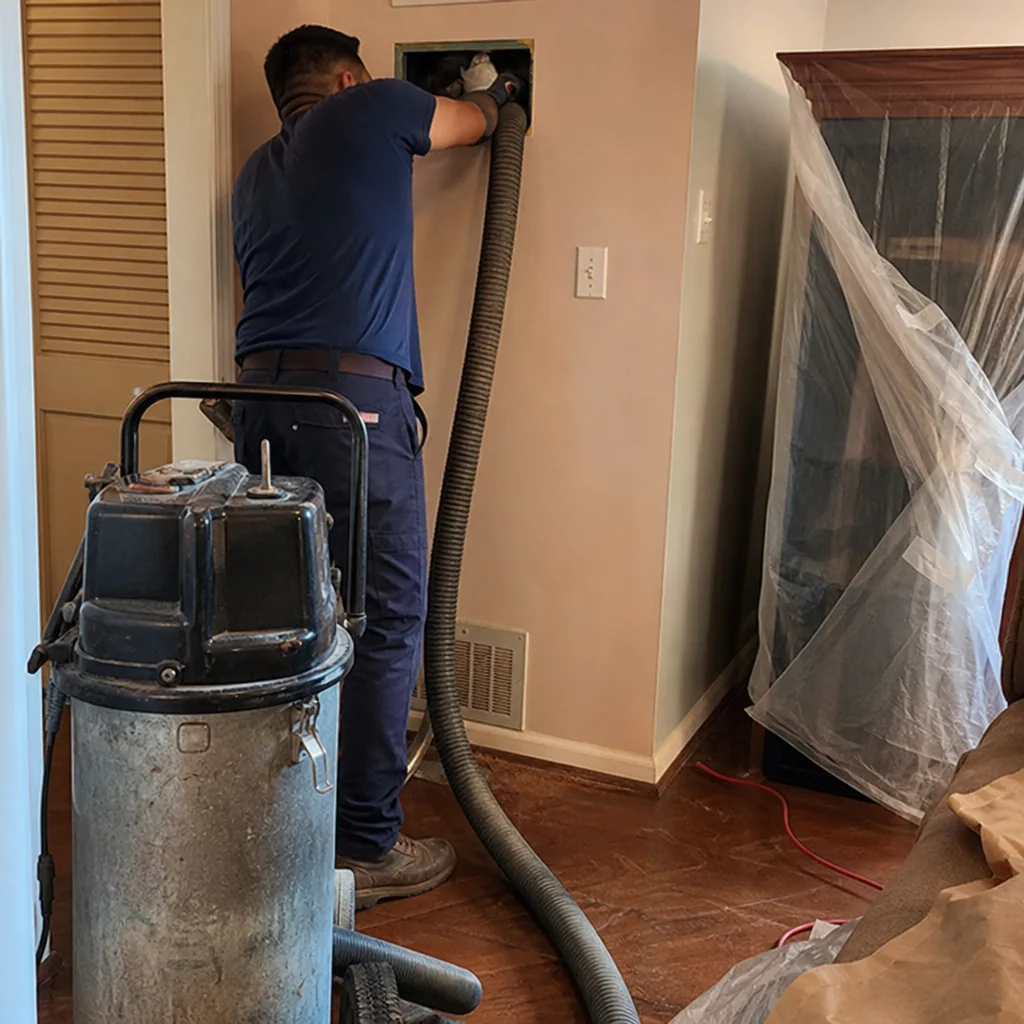 Before
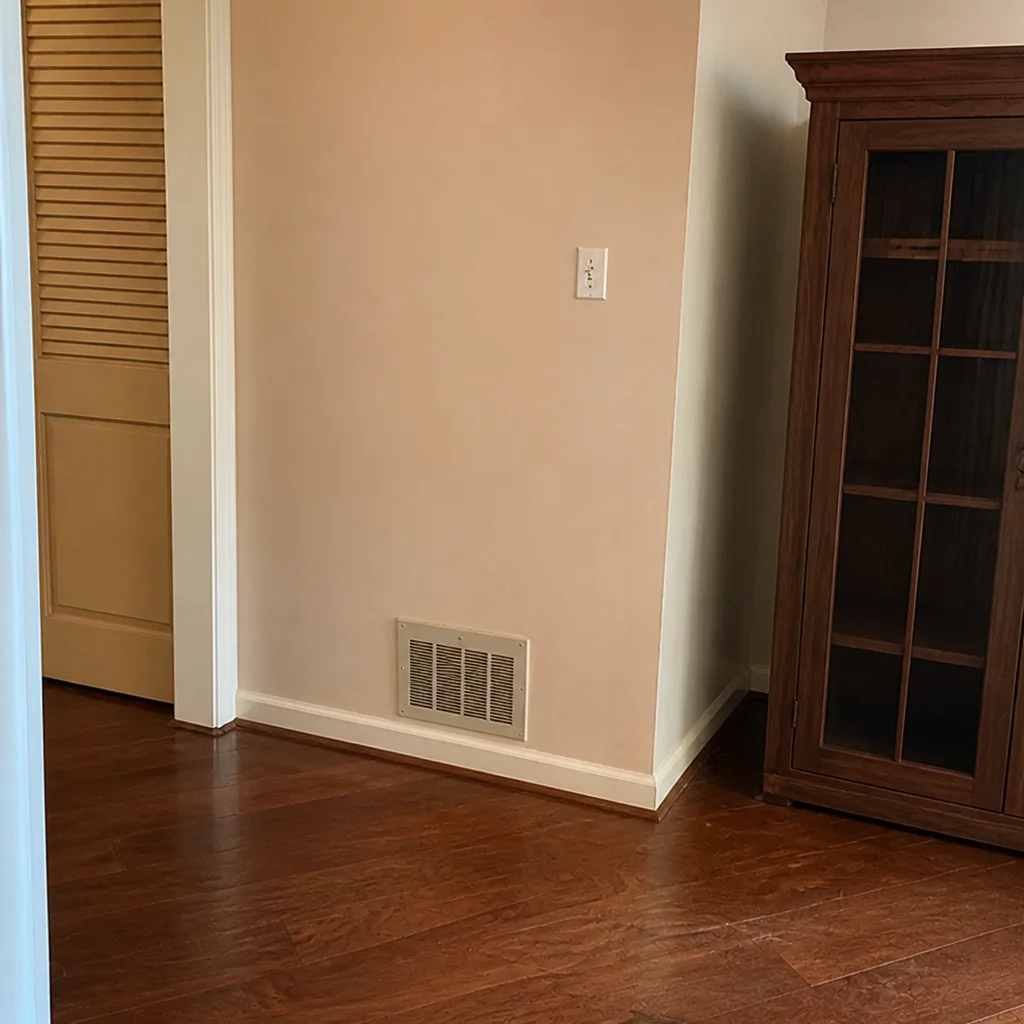 After
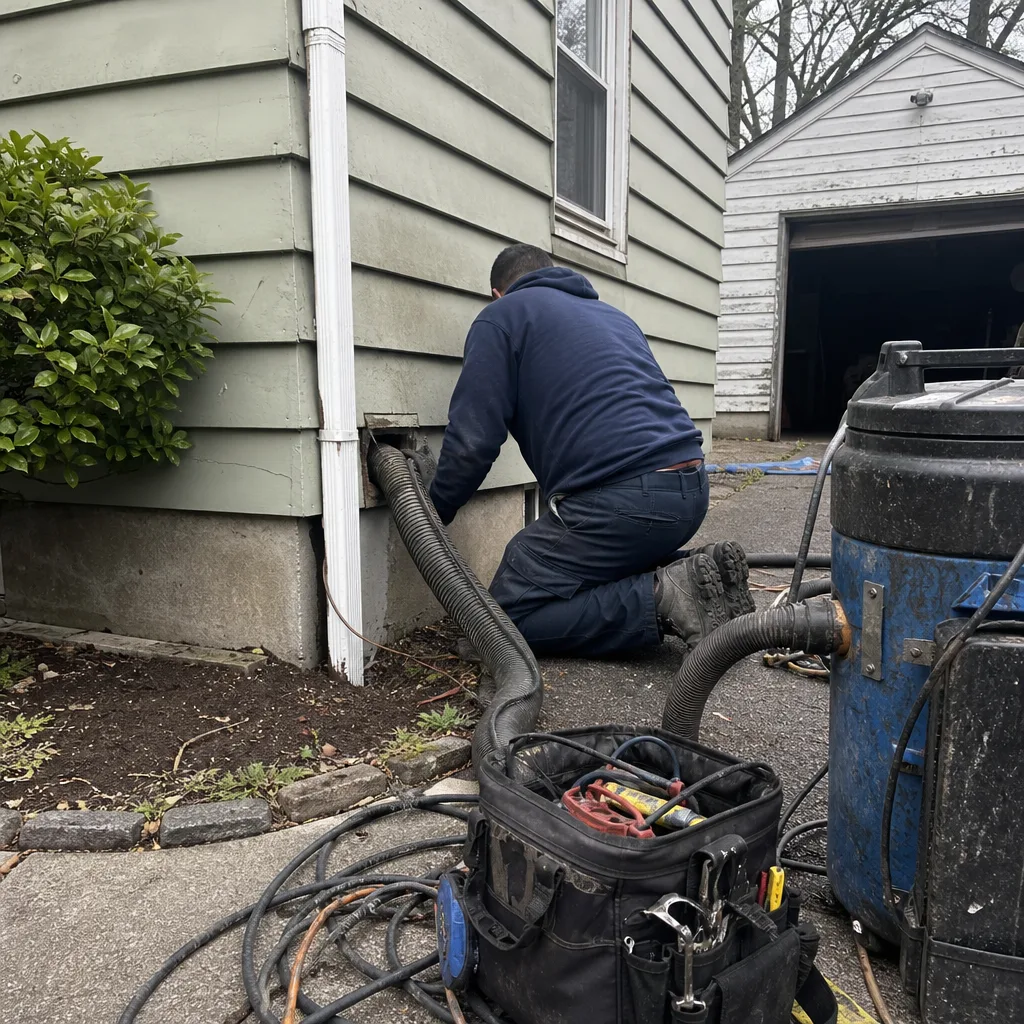 Before
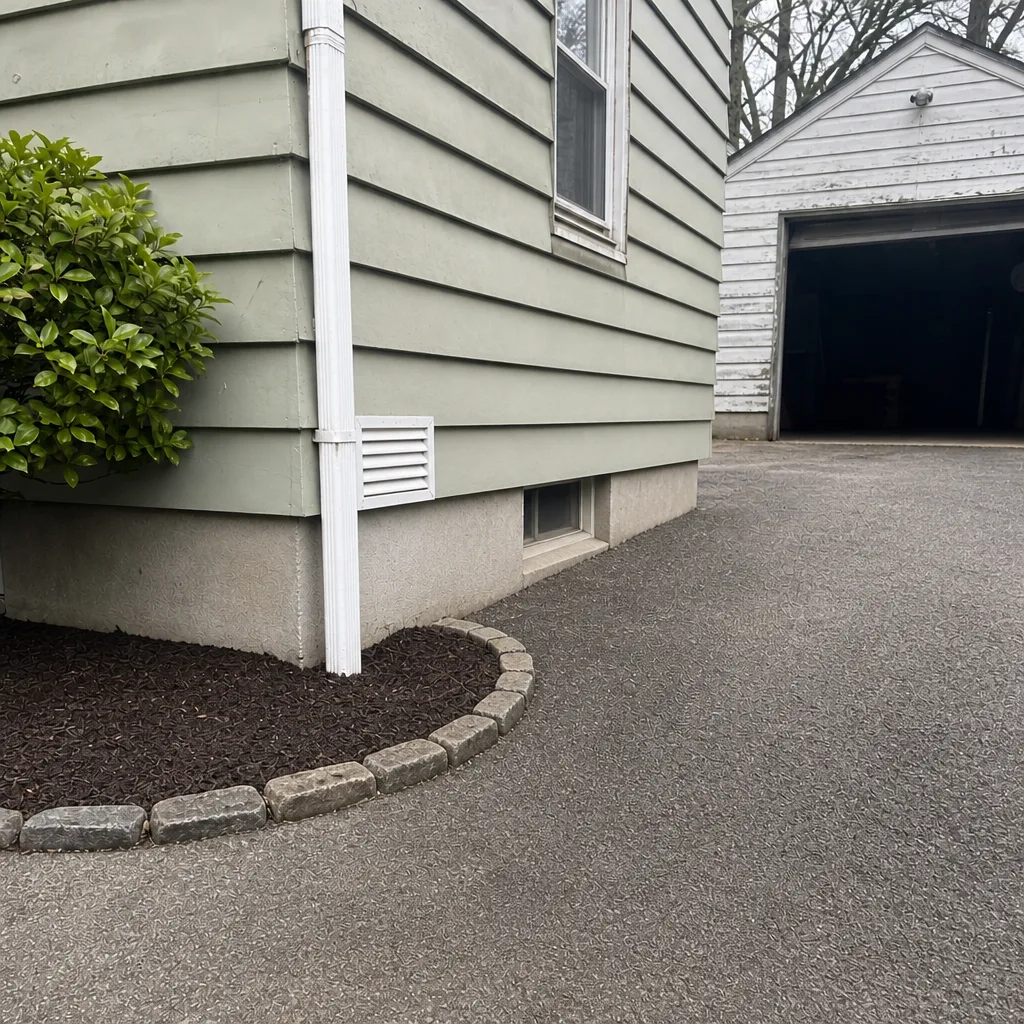 After
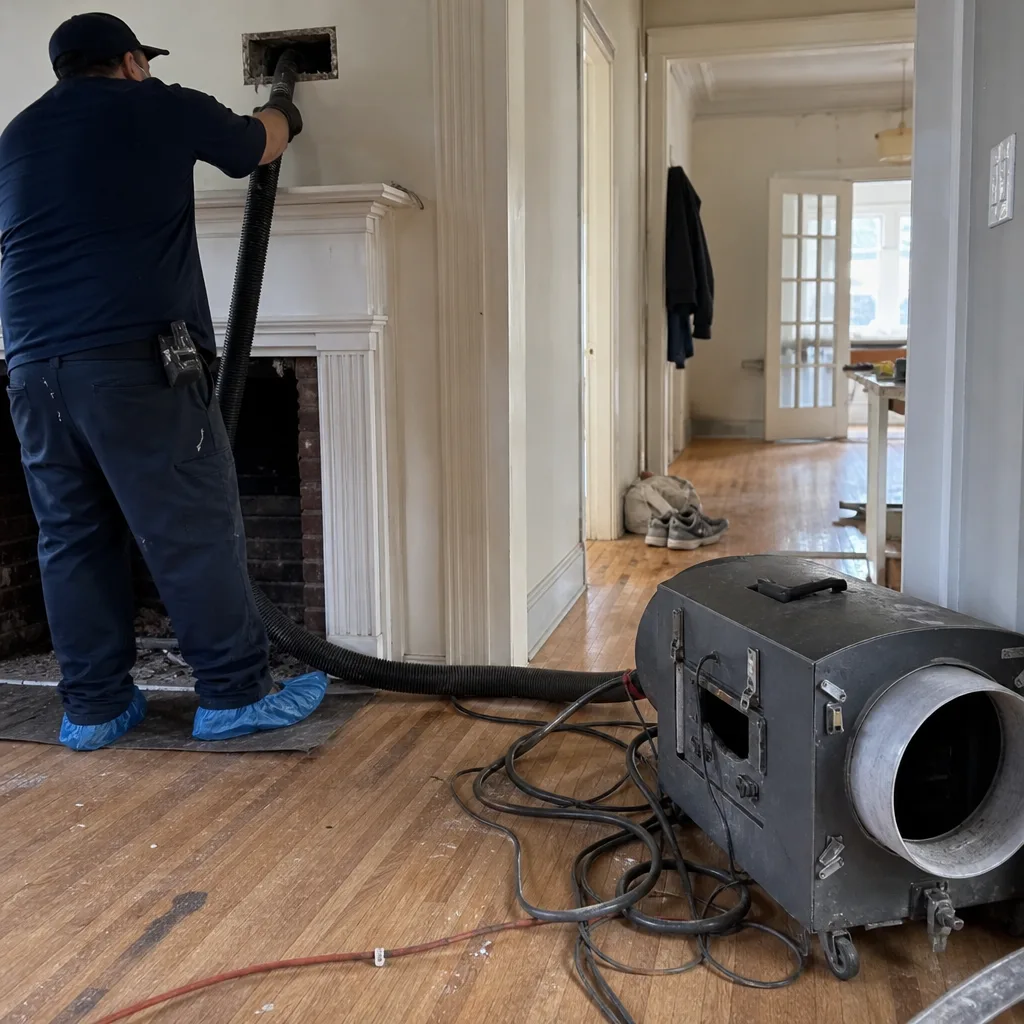 Before
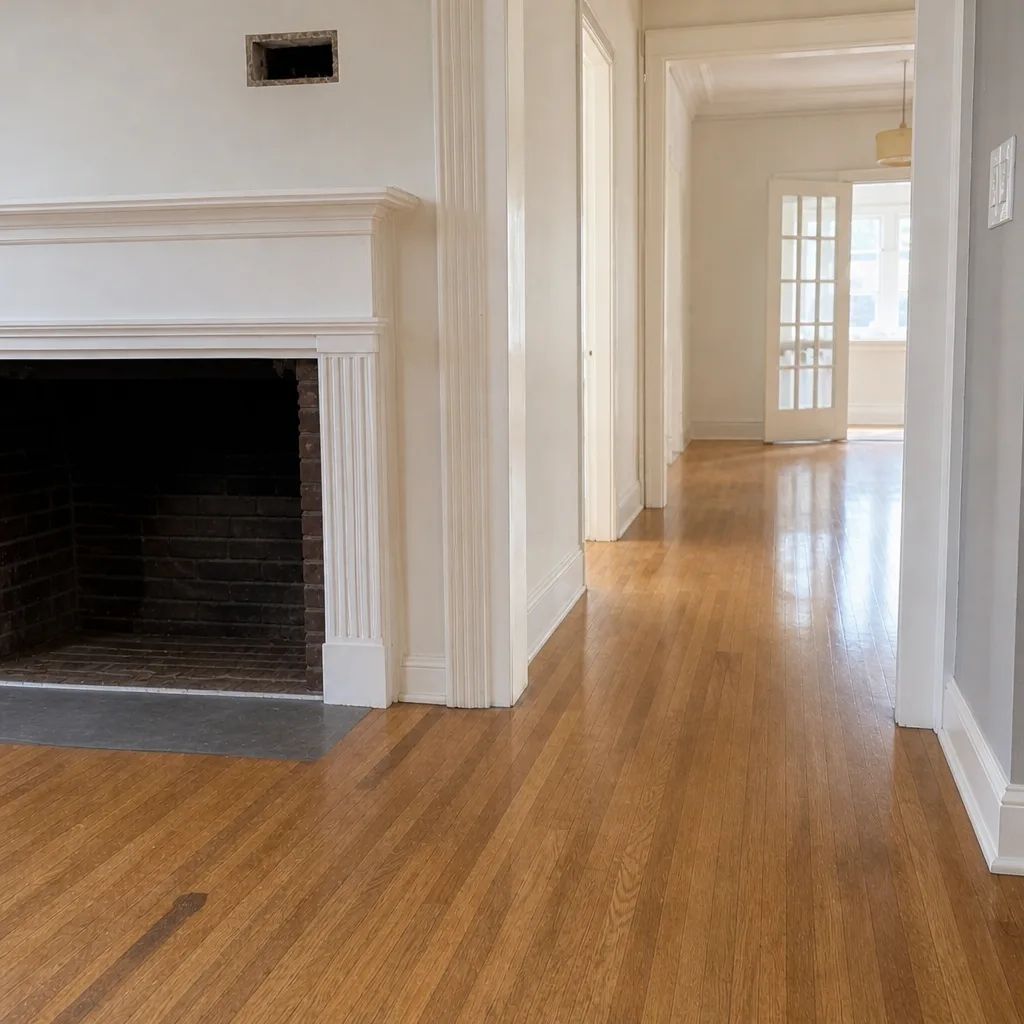 After