
Last updated November 22, 2026
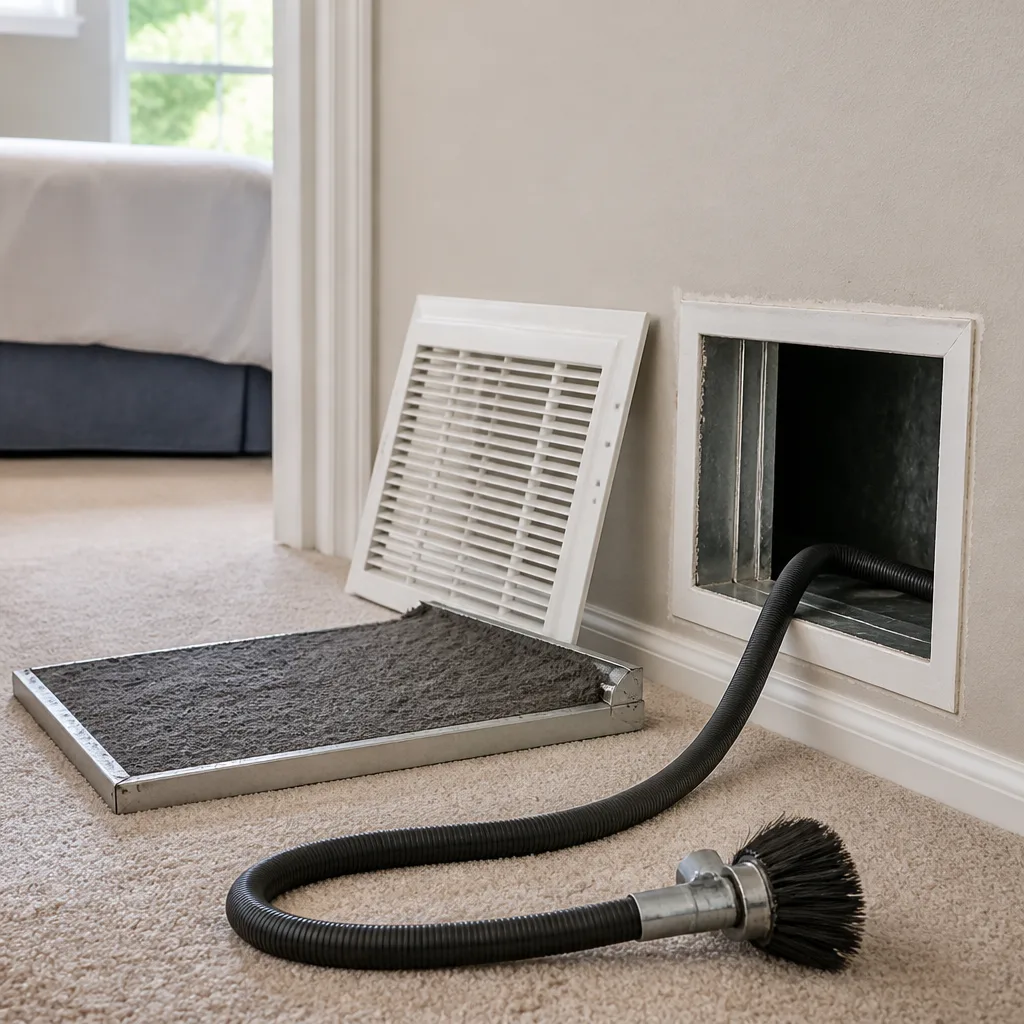 Whole-home duct cleaning
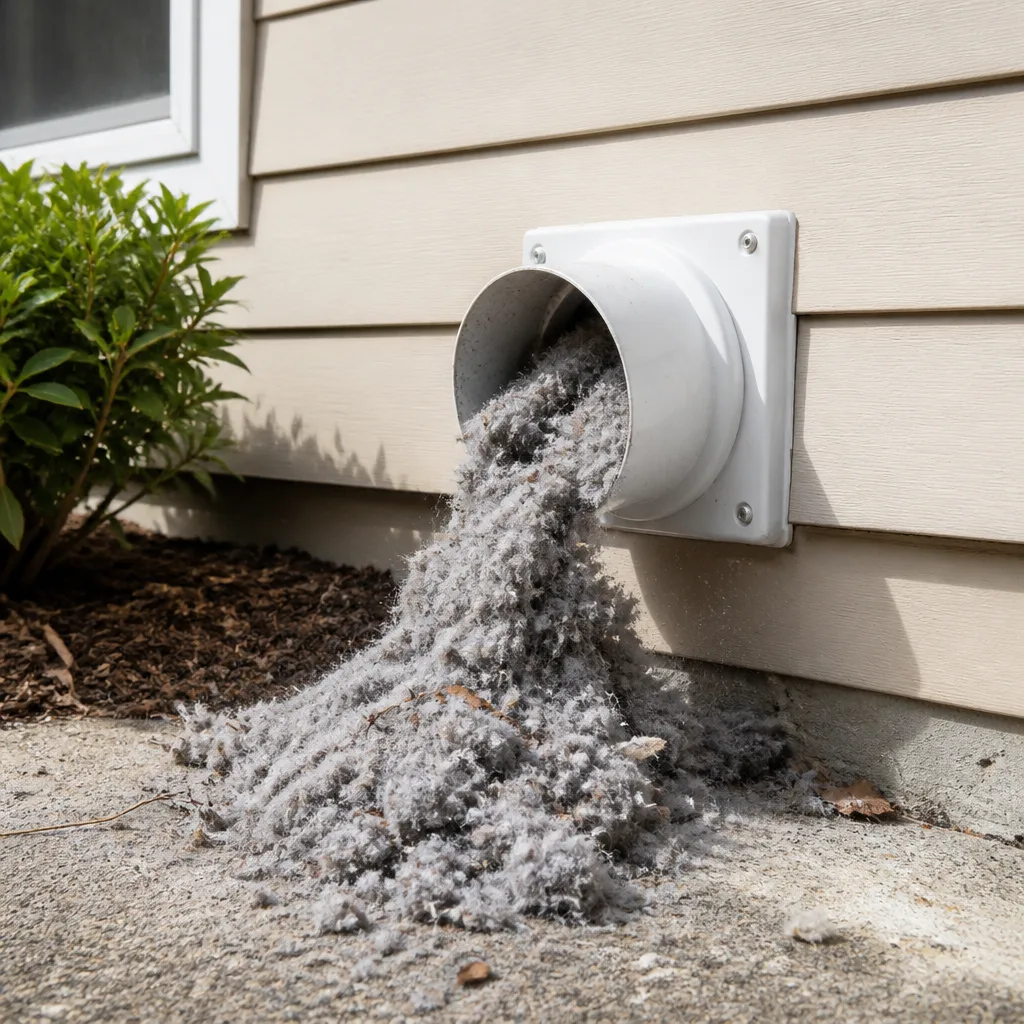 Dryer vent cleaning
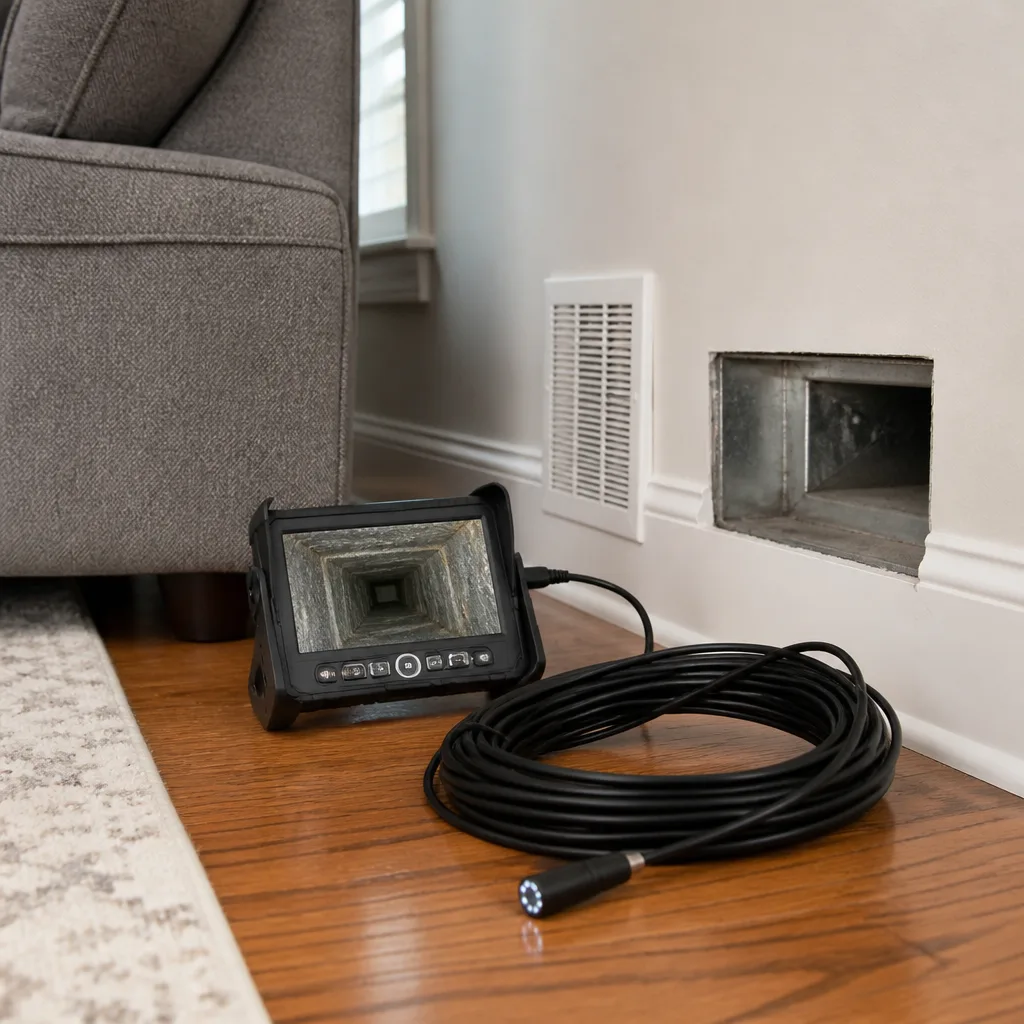 Camera inspection
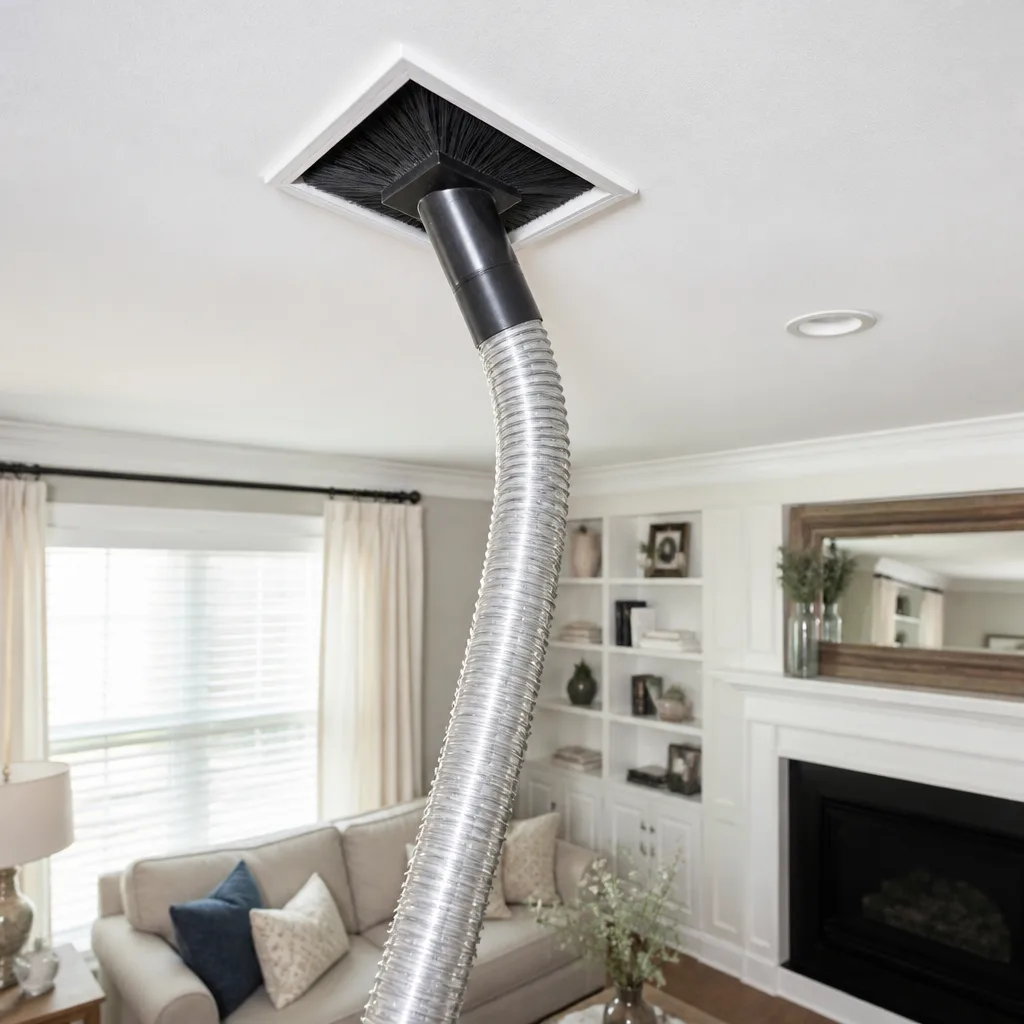 Sanitizing & deodorizing
Whole-system duct and dryer vent check with before-and-after photos - you see exactly what came out of your vents
That "$99 whole-house special" is a bait ad - the real number appears once they are in your hallway, or the "clean" is a shop-vac at the register. We photograph the inside of your ducts before and after instead.
The Complete Guide to Air Duct Cleaning in Ridgewood
Most duct cleaning advice you’ll read online assumes a house built in the last thirty years: wide trunk lines, short flexible runs, an air handler tucked neatly into a garage closet. Ridgewood doesn’t look like that. A large share of the residential buildings here went up before modern duct design standards existed, and a cleaning method that works fine in a 2005 suburban ranch hits a wall in a 1940s attached row house with narrow trunk lines and ducts that twist through shared walls. This guide maps the duct geometry you’ll actually find in Ridgewood, explains what proper source-removal cleaning involves, and shows you how to tell a real full-system job from a register vacuuming dressed up as one.
Quick Answer
Air duct cleaning in Ridgewood means removing built-up dust, debris, and biological growth from the entire forced-air system – supply ducts, return ducts, the air handler and its coil, and the dryer vent – not just vacuuming the registers you can see. In Ridgewood’s older attached housing, that usually requires negative-pressure equipment and rotary brush agitation to handle narrow trunk lines, shared chases, and aging flex connections. A proper job addresses all four parts of the system together, because contamination in one part recontaminates the others.
Styles & brands we work with
- Whole-home duct cleaning
- Dryer vent cleaning
- Camera inspection
- Sanitizing & deodorizing
Table of Contents
- Why Ridgewood’s Housing Stock Changes the Job
- Source Removal vs. Surface Cleaning: The Real Difference
- What Equipment Should Show Up On-Site
- The Full System: Supply, Return, Air Handler, Dryer Vent
- Why Cleaning Registers Alone Is a Half-Job
- How Often Ducts Really Need Cleaning in Ridgewood
- How to Verify the Work Was Actually Done
- What Duct Cleaning Costs and Why Quotes Vary
Why Ridgewood’s Housing Stock Changes the Job
Ridgewood’s residential buildings span roughly a century of construction, and that range shows up directly in the ductwork. Pre-war row houses and early apartment buildings were often built with heating systems that were retrofitted for forced air decades later, which means ducts were squeezed into spaces never designed for them. Trunk lines run undersized. Returns share a chase with a neighboring unit’s return. Flexible connections get spliced into rigid duct at odd angles because that’s what fit at the time.
What this means in practice:
- Narrow trunk lines clog faster and hold debris tighter than wide modern trunks. A vacuum alone won’t lift compacted dust from an undersized trunk; it needs mechanical agitation to break the deposit loose first.
- Shared shafts and chases in attached housing mean a negative-pressure setup has to be zoned carefully, so debris from one run doesn’t get pulled into another unit’s ductwork.
- Aged flex connections tear, sag, and collect dust at the seams. These are often the first place contamination concentrates and the first place a cleaning tool can do damage if it’s handled without care.
- Original sheet-metal duct with interior insulation is common in mid-century construction here. Insulation that has absorbed moisture needs assessment, not just a pass with a brush.
None of this makes Ridgewood homes harder to clean in a way that should worry you. It makes them harder to clean properly, which is a different thing. The company that shows up with one portable vacuum and a hose is not going to handle a 1940s row house the way it handles a new build. When you book air duct cleaning, ask what equipment is coming and whether the technician has worked this building style before.
Source Removal vs. Surface Cleaning: The Real Difference
Source removal means physically extracting the contamination from the system – the dust, debris, and growth that settled into the duct walls, not just the loose material floating in the air stream. It requires two things working together: negative pressure to keep everything contained and pulling toward the collection point, and mechanical agitation to break deposits free from the duct surface so the pressure can carry them out.
Surface cleaning, which is what a lot of low-cost services actually perform, is a vacuum pass at the registers with a hose pushed a few feet into each opening. Here’s why it doesn’t work:
- The vacuum never reaches the trunk. A hose at the register can’t pull material from a trunk line fifteen feet away and around two bends.
- Caked-on deposits stay put. Dust that has bonded to the duct wall over years doesn’t move without a brush. Suction alone passes right over it.
- Nothing is contained. Without negative pressure, the act of disturbing the duct actually aerosolizes debris into the rooms – the opposite of the intended result.
- The air handler is untouched. The coil and blower, where the heaviest biological growth tends to accumulate, are never opened.
Source removal is the standard professional contractors and remediation firms work to, and it’s what “full-system cleaning” should mean. If a quote doesn’t mention negative pressure, mechanical agitation, or the air handler, you’re being offered surface cleaning at a source-removal price. Our approach starts from the equipment side of that equation: a Rotobrush rotary brush system to agitate the duct walls run by run, paired with Nikro negative-air machines to hold the whole system under pressure so nothing escapes into the living space.
What Equipment Should Show Up On-Site
The equipment on the truck tells you more about the job than the sales pitch does. Here’s what to expect and when each piece matters.
Truck-Mounted Vacuum Units
A truck-mounted unit delivers far more suction than any portable machine can, because the power source and collection drum aren’t constrained by what fits through a door. For a whole-house job on a Ridgewood row house, a truck-mount hooked to the main trunk is the standard approach. When a truck can’t park close enough to run hose to the system, or the building is a multi-unit where access is restricted, the job shifts to portable high-capacity units linked in series.
Portable HEPA Vacuums
Portable HEPA units are the right tool for tight access, upper-floor systems, and any situation where the primary vacuum can’t reach the trunk directly. Multiple units can be daisy-chained to build sufficient negative pressure. The HEPA filtration stage matters most when the customer has allergies, when there’s visible mold, or when the job follows renovation dust – in those cases you want the exhaust air filtered to remediation standard, not just “mostly captured.” This is where Abatement Technologies air filtration equipment earns its place in a lineup: it’s built for controlling airborne particulate to a standard that commercial restoration work requires.
Rotary Brush Agitation
Rotobrush systems drive a spinning brush head through the duct run, scrubbing the walls as it goes and pushing loosened material toward the vacuum. It’s the piece of equipment that separates source removal from a suction-only pass. On narrow Ridgewood trunk lines, the brush size has to be matched to the duct dimension – oversized heads stall and can damage seams, undersized heads skip the corners.
Inspection Cameras
A camera run through the duct before and after is how you see what was there and confirm it’s gone. Ask for before-and-after footage of your own system. It’s the single most direct answer to “how do I know the work was done.”
The Full System: Supply, Return, Air Handler, Dryer Vent
Your forced-air system is one connected pathway. Air leaves the air handler, travels through supply ducts into rooms, returns through return ducts, and cycles back through the air handler’s coil and blower. Contamination anywhere in that loop affects the whole loop. This is why we treat four components as a single scope.
- Supply ducts carry conditioned air into living spaces. These are typically the cleanest-feeling but often the most visibly dusty, because warm or cool air moving through them encourages dust to settle on the walls.
- Return ducts carry air back to the air handler and tend to collect the heaviest deposits, since they pull in room air along with whatever’s suspended in it. In Ridgewood’s older returns, this is where narrow chases create the biggest buildup.
- The air handler and coil are the mechanical heart of the system. A dirty evaporator coil loses efficiency, and a wet coil in a humid summer is where biological growth gets its start. Cleaning ducts without cleaning the coil leaves the source of the problem in place.
- The dryer vent is a separate pathway with its own risk profile. Lint accumulation in a dryer vent is a documented fire hazard, not an air-quality afterthought. We treat dryer vent cleaning as a core service for exactly that reason, and it belongs on the same visit as the duct work whenever possible.
Our HVAC cleaning scope covers the air handler side of that list: coil cleaning, blower cleaning, and the filtration components. When we recommend filtration upgrades, it’s to brands with real track records in air-quality engineering – Honeywell and Aprilaire among them – because the point is to solve the problem, not to sell a product.
Why Cleaning Registers Alone Is a Half-Job
The register is the end of the line – the last few inches of duct where air enters the room. Cleaning it removes the visible dust at the surface and leaves everything upstream exactly where it was. Within weeks, the register is dusty again, because the system is still blowing contamination through it.
The air handler is the part that gets skipped most often, and it’s usually the part that matters most. Consider what happens when ducts are cleaned but the coil and blower are not:
- The blower fan, which is caked with dust, keeps pushing that dust into the freshly cleaned supply ducts.
- The evaporator coil, still fouled, keeps breeding biological growth that the air stream carries into the ducts.
- The system’s efficiency stays where it was, so the homeowner sees no change in energy use or airflow.
- The customer concludes duct cleaning doesn’t work, when what they actually got was a partial job.
This is the core reason our scope covers the full pathway from the duct opening through the air handler to the filtration. A half-cleaned system doesn’t just waste the money spent on the half that was done; it actively muddies the result. Full-system cleaning means exactly that: every part of the forced-air loop, cleaned as one job, verified with before-and-after documentation.
How Often Ducts Really Need Cleaning in Ridgewood
There’s no single schedule that fits every Ridgewood home, and any company that gives you one without looking at your system is guessing. What we can tell you is what actually drives the need.
Recommend cleaning when:
- Visible dust or debris is discharging from the registers after a cleaning pass.
- You’ve had significant renovation work – sanding, drywall, demolition – and the system ran during it.
- There’s visible mold or biological growth inside the ducts or on the coil, confirmed by inspection.
- Musty or stale odors come from the registers when the system runs.
- The system has had a pest problem; rodents and insects leave material inside ducts.
- Airflow has dropped noticeably and the filter isn’t the cause.
- You’re moving into a home and don’t know the system’s history.
Ridgewood-specific factors that speed up the timeline: the humid summers here put moisture into the airstream, and in older attached housing with interior duct insulation, that moisture doesn’t always dry out the way it does in modern construction. That turns a minor dust issue into a growth issue faster than it would in a dry climate. If your building is pre-war and you’ve never had the ducts inspected, a professional assessment is worth more than a guess about the calendar. The right answer is inspection-driven, not interval-driven.
How to Verify the Work Was Actually Done
Duct cleaning has a trust problem, and it’s earned. Before-and-after photos of your own system – not stock images – are the baseline. Here’s what to ask for:
- Before-and-after photos of your ducts. Interior shots of the same run, from the same camera position. Not a brochure.
- Camera footage of the trunk line. Ask to see the inside of your main trunk before and after. This is where the real work shows.
- Evidence the air handler was opened and cleaned. Photos of the coil and blower, before and after.
- A written scope agreed before the work starts. What’s included, what isn’t, and the price for the whole system – not a per-vent figure that expands on-site.
- Cleanup confirmation. If containment worked, the rooms are no dustier than when the crew arrived.
We photograph every job and hand the images to the customer before we leave. It’s the clearest proof available, and it’s the reason we can point to specific runs in your specific building rather than promising results in general.
What Duct Cleaning Costs and Why Quotes Vary
Duct cleaning is priced per system, not per vent, and in our experience the range across Ridgewood service providers is wide enough that quotes can look like they’re for different services – because sometimes they are. A whole-system job with negative pressure, rotary agitation, air handler cleaning, and dryer vent service is not the same scope as a register vacuuming, and it shouldn’t be priced the same.
We don’t publish per-vent prices or teaser rates, because they misrepresent how the work actually gets scoped. What we do commit to:
- One flat price per system, agreed in writing before any work begins.
- Before-and-after photos of your own ducts, provided with every job.
- A satisfaction guarantee – if the result doesn’t match the scope, we come back.
- No per-vent surprises. The price you’re quoted is the price you pay.
The honest answer to “why is that other quote so much lower” is usually scope, not efficiency. Ask any contractor what equipment they’ll run, whether negative pressure is part of the setup, whether the air handler is in scope, and whether you’ll get photos. The answers tell you what you’re actually comparing.
Common Mistakes to Avoid
- Hiring on price alone. A quote that’s half the others is usually half the scope. Ask what’s missing before you assume you’re getting a deal.
- Accepting per-vent pricing. Per-vent quotes invite disputes about what counts as a vent, and they reward speed over thoroughness. Whole-system pricing is the honest arrangement.
- Skipping the air handler. Cleaning supply and return ducts without cleaning the coil and blower leaves the source of contamination in place. Ask specifically whether the air handler is in scope.
- Ignoring the dryer vent. Lint buildup in a dryer vent is a documented fire risk. It’s not an add-on; it’s part of the system. Schedule it with the duct work.
- Not asking about equipment. A shop vacuum and a rotary brush system are not the same tool. Ask what’s coming before the technician arrives.
- Skipping the inspection. In Ridgewood’s older housing, interior duct insulation and aging flex connections need to be looked at before they’re cleaned. A company that won’t inspect isn’t going to find what’s actually there.
- Not getting before-and-after photos. Photos of your own system are the only reliable proof. If a contractor won’t provide them, that tells you something.
See the difference
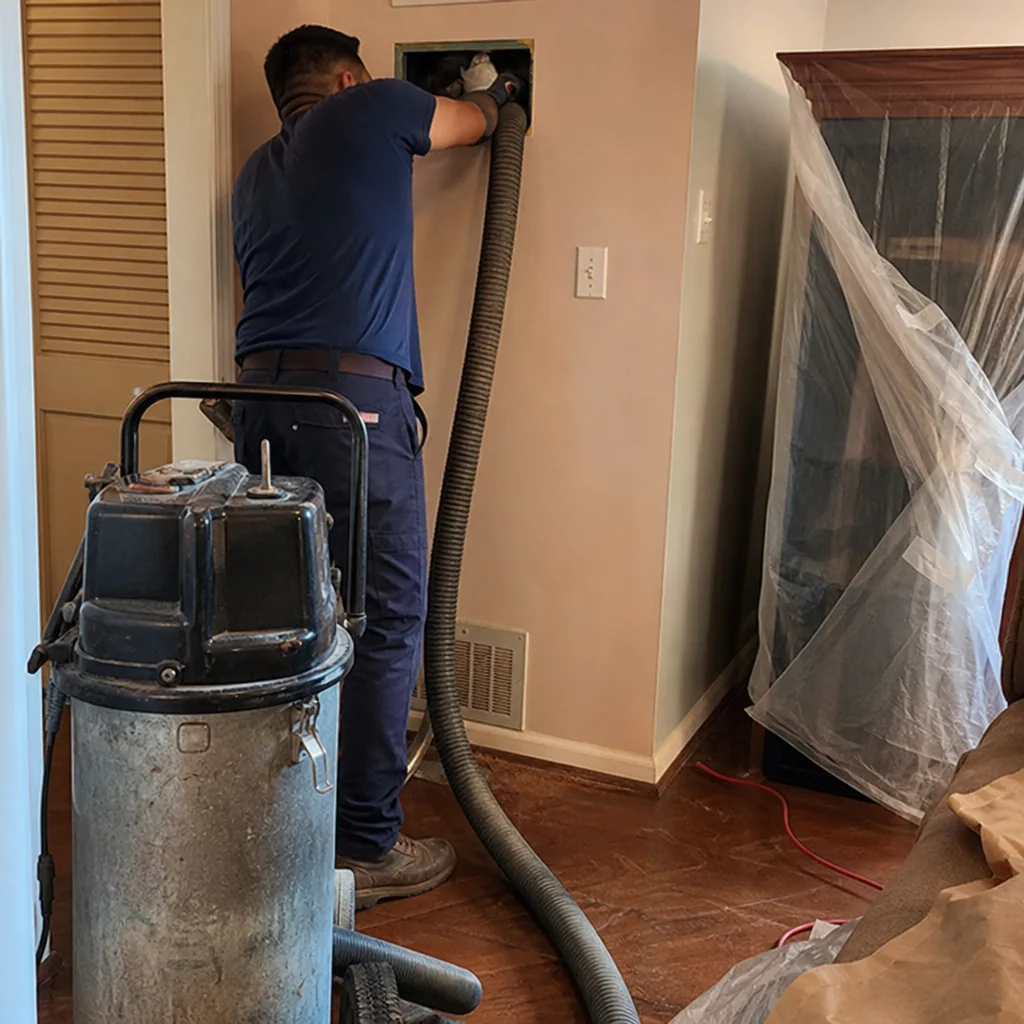 Before
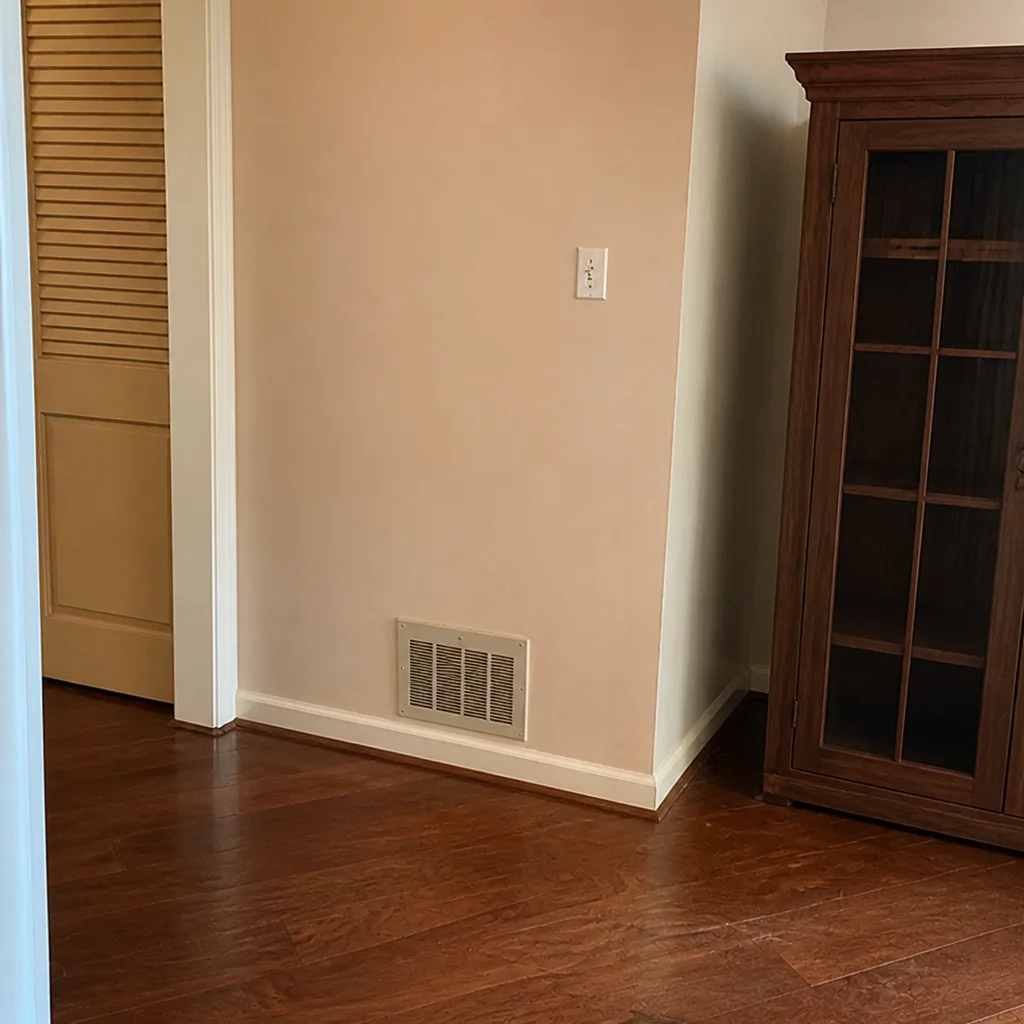 After
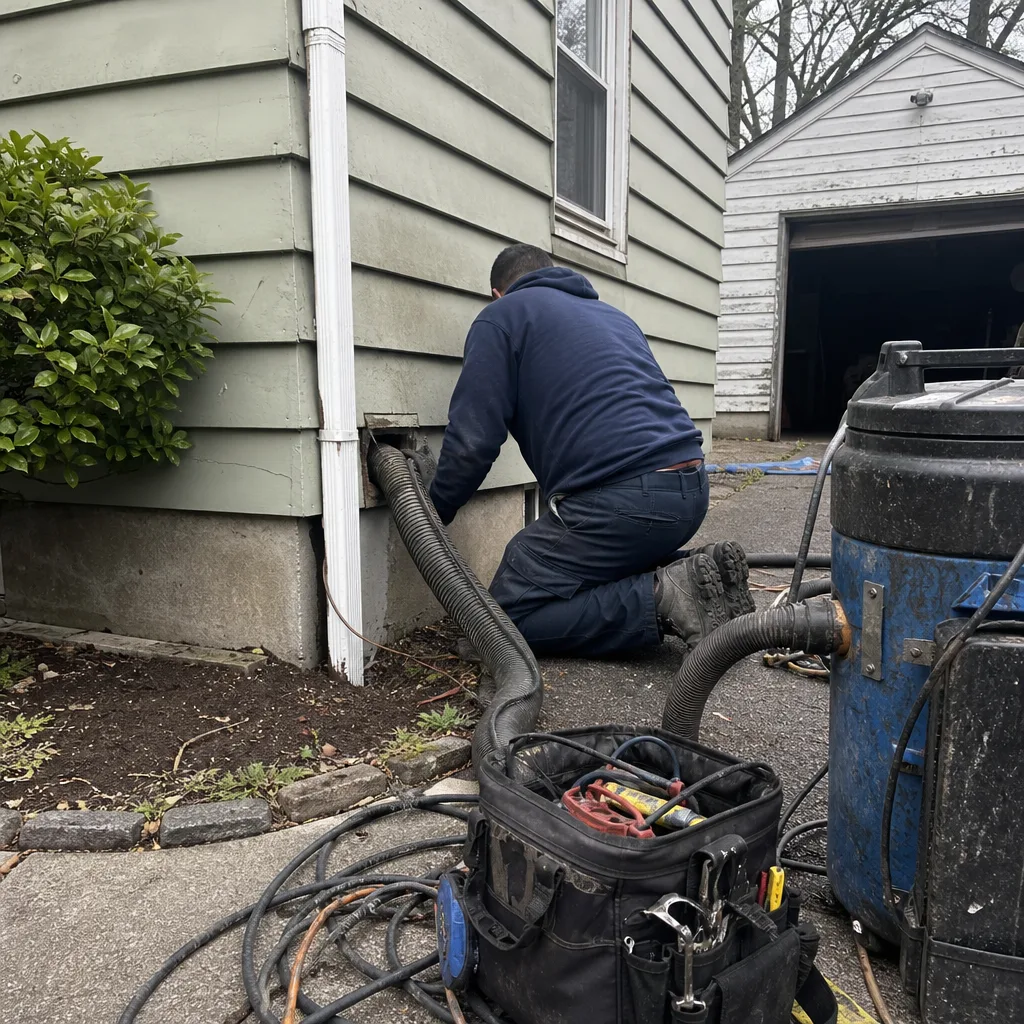 Before
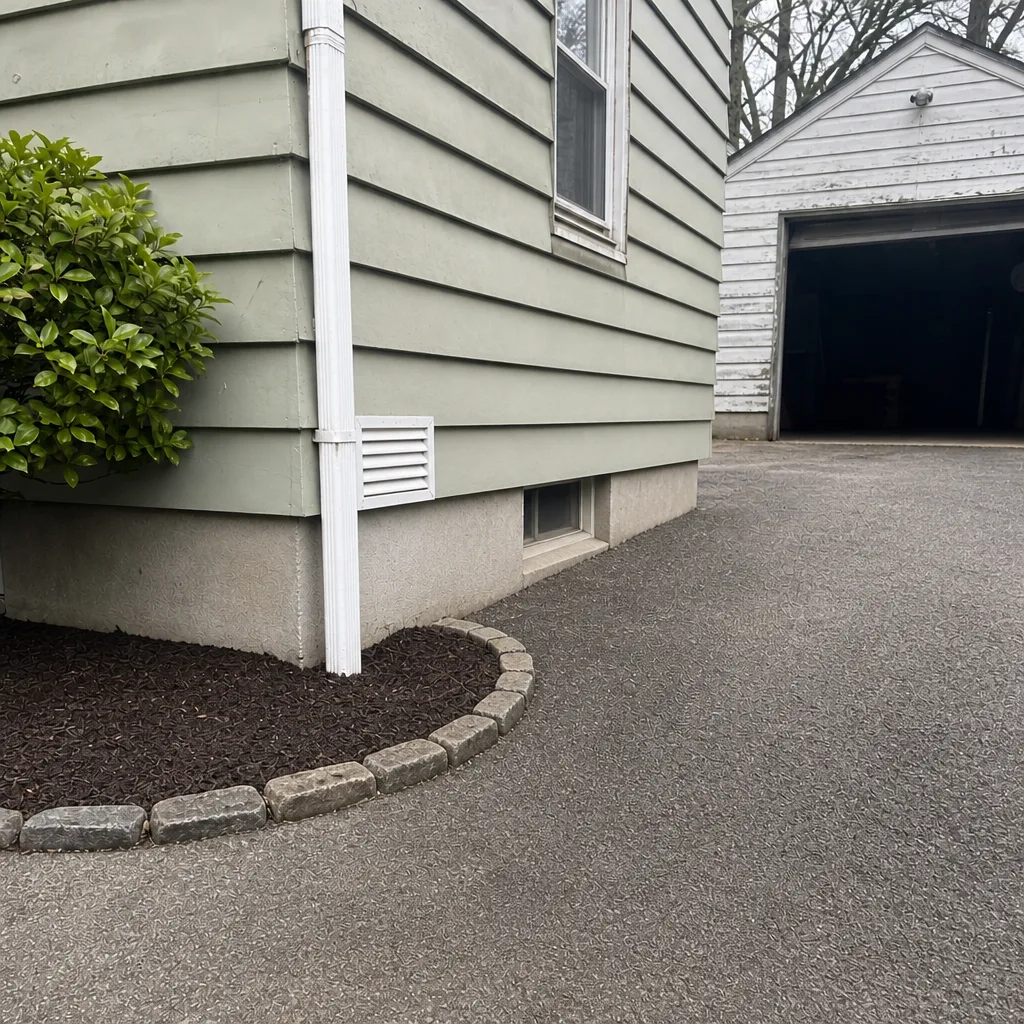 After
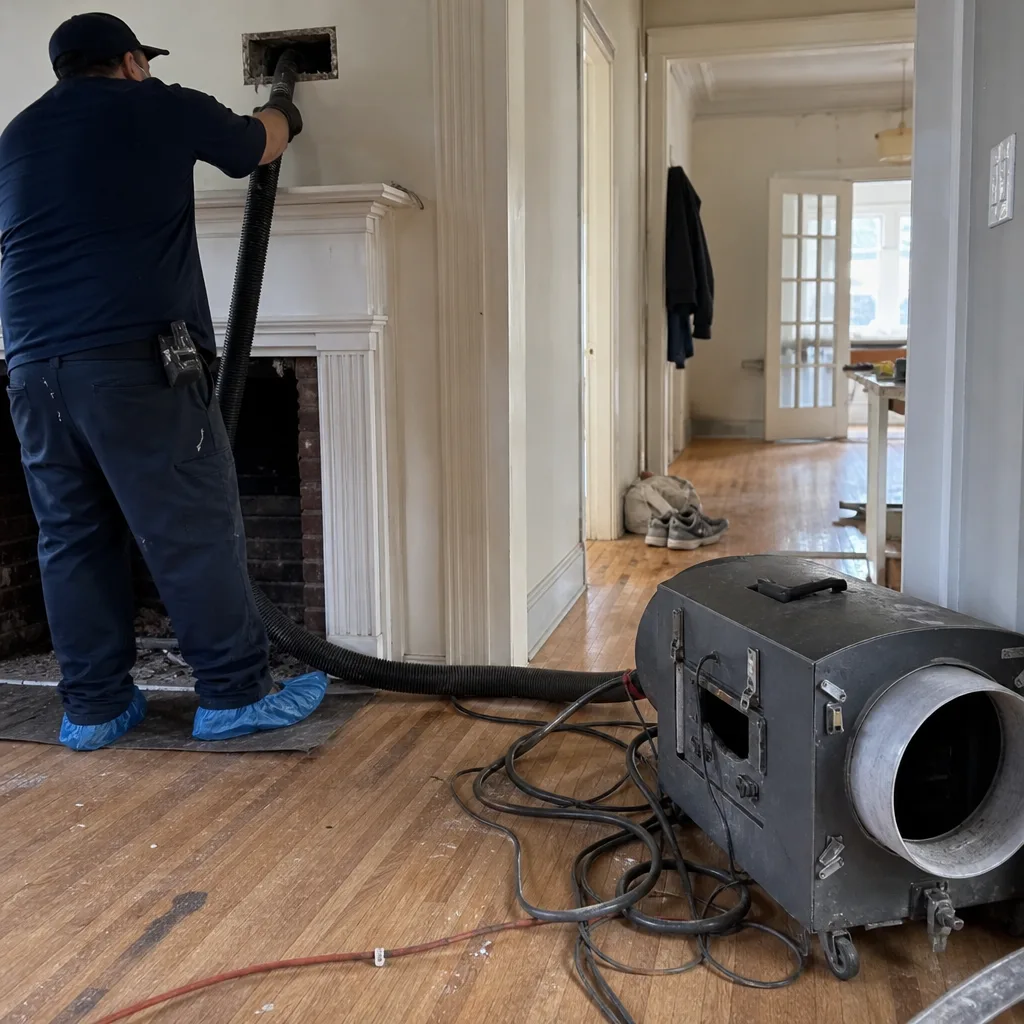 Before
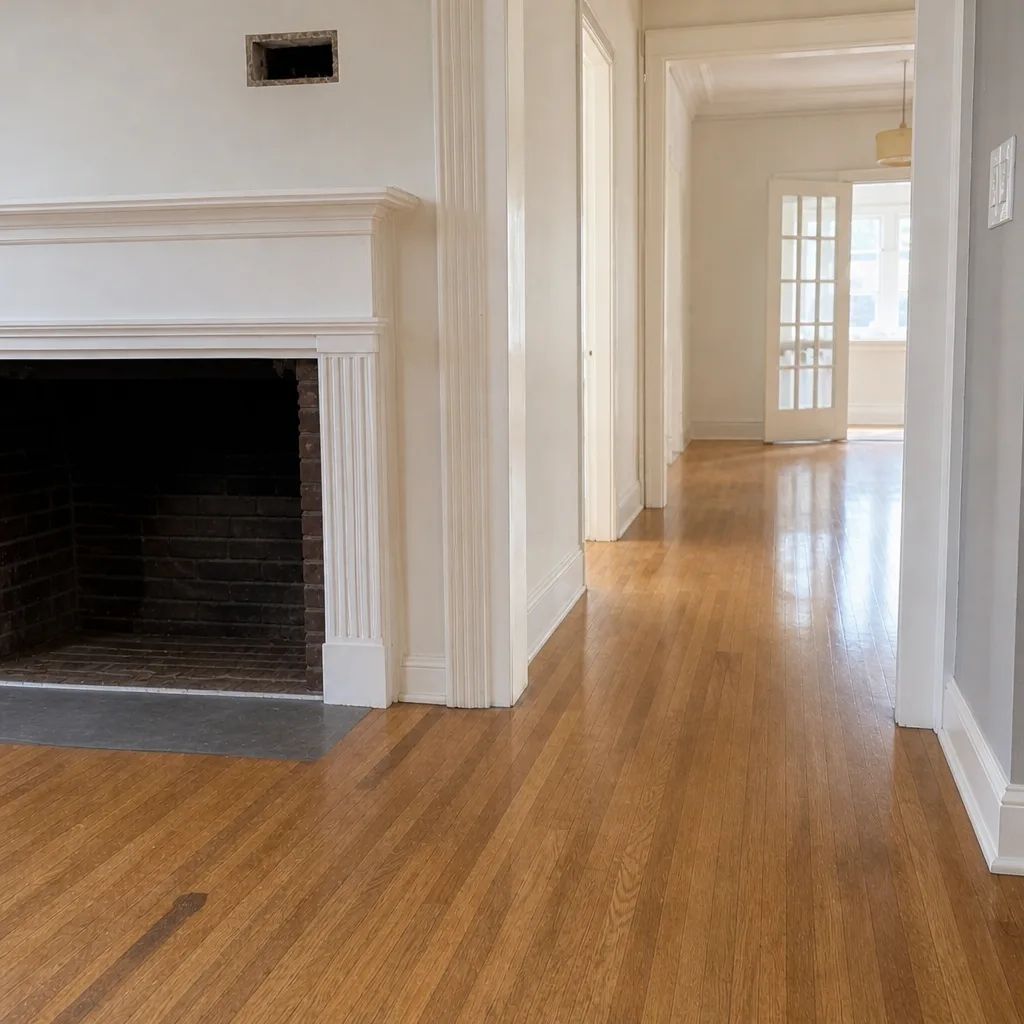 After
When to Call a Professional
Call a professional when you see visible dust or debris discharging from the registers, when you smell musty or stale odors from the vents, when the system has run during a renovation, or when you’ve had a pest issue in the ductwork. Call if anyone in the household has unexplained respiratory symptoms that ease when they’re away from home – that’s a sign worth investigating. Call if the dryer is taking noticeably longer to dry clothes, which is often the first sign of lint buildup in the vent. Call if airflow has dropped and cleaning the filter didn’t fix it. And call if you’re in an older Ridgewood building and don’t know when the ducts were last inspected – the pre-war and mid-century housing here hides a lot behind the walls. Ridgewood Air Duct Cleaning offers free estimates in Ridgewood – call (866) 443-1814. We answer 24/7. Fast dispatch from 7am to 7pm, Sunday through Friday.
Frequently Asked Questions
Air duct cleaning in Ridgewood is priced per system, not per vent, and the range across providers is wide because the scope of work varies so much. A full-system job – supply ducts, return ducts, air handler coil and blower, plus dryer vent – costs more than a register vacuuming, and it should, because it’s doing a different job. We give one flat price per system, agreed in writing before any work starts. Call (866) 443-1814 for an exact quote – estimates are free.
Cheaper quotes are almost always a smaller scope, not a more efficient process. A quote that skips the air handler, doesn’t include negative pressure, or prices per vent is offering surface cleaning at a source-removal price. Ask what equipment is coming, whether the coil and blower are in scope, and whether you’ll get before-and-after photos. Those three answers explain most of the price gap. Call (866) 443-1814 to compare scope, not just numbers.
Before-and-after photos of your own ducts, taken from the same camera position, are the most direct proof. Ask for interior shots of the trunk line and of the air handler coil and blower, before and after. A contractor who does thorough work will have no trouble providing them. We photograph every job and hand the images to the customer before we leave. Call (866) 443-1814 to book an estimate.
It depends on the building and the system, not the calendar. In Ridgewood’s older attached housing, humid summers and interior duct insulation mean moisture lingers in the ducts longer than in modern construction, and that speeds up the growth cycle. Homes with pets, recent renovations, or any pest history need cleaning more often than homes without those factors. The honest answer is inspection-driven. Call (866) 443-1814 for a professional assessment.
Cleaning the full system – supply, return, air handler, and dryer vent – removes the accumulated material that gets recirculated every time the system runs. For someone with allergies or sensitivity to dust, a properly cleaned system removes a source of exposure. Cleaning only the registers doesn’t accomplish this, because the debris upstream is still there. If you’re dealing with chronic dust or allergy symptoms that ease when you’re away from home, that’s worth investigating. Call (866) 443-1814 for a free estimate.
Dryer vent cleaning is a core service, not an add-on. Lint buildup in a dryer vent is a documented fire hazard, and it belongs on the same visit as the duct work whenever possible. We handle the full indoor-air-system scope: Ridgewood Air Duct Cleaning, air duct cleaning, HVAC cleaning, duct repair and sealing, and air quality sanitizing – all in-house. Call (866) 443-1814 to schedule an estimate.
The Bottom Line
Ridgewood’s housing stock – pre-war row houses, mid-century attached buildings, decades of retrofitted forced-air systems – makes duct cleaning a job that rewards the right equipment and the right scope. Source removal with negative pressure and mechanical agitation is what actually cleans a narrow trunk line; a register vacuum pass doesn’t. The air handler and dryer vent belong on the same visit as the duct work, because the system is one connected pathway. Get one flat price per system in writing, insist on before-and-after photos of your own ducts, and ask what equipment is coming before you book. Our technicians have up to 10 years of experience, and the local pro we connect you with is licensed and insured as their state requires.
Call (866) 443-1814 for a free estimate. We answer 24/7. Fast dispatch from 7am to 7pm, Sunday through Friday.
Written by the team at Ridgewood Air Duct Cleaning.