
Last updated November 22, 2026
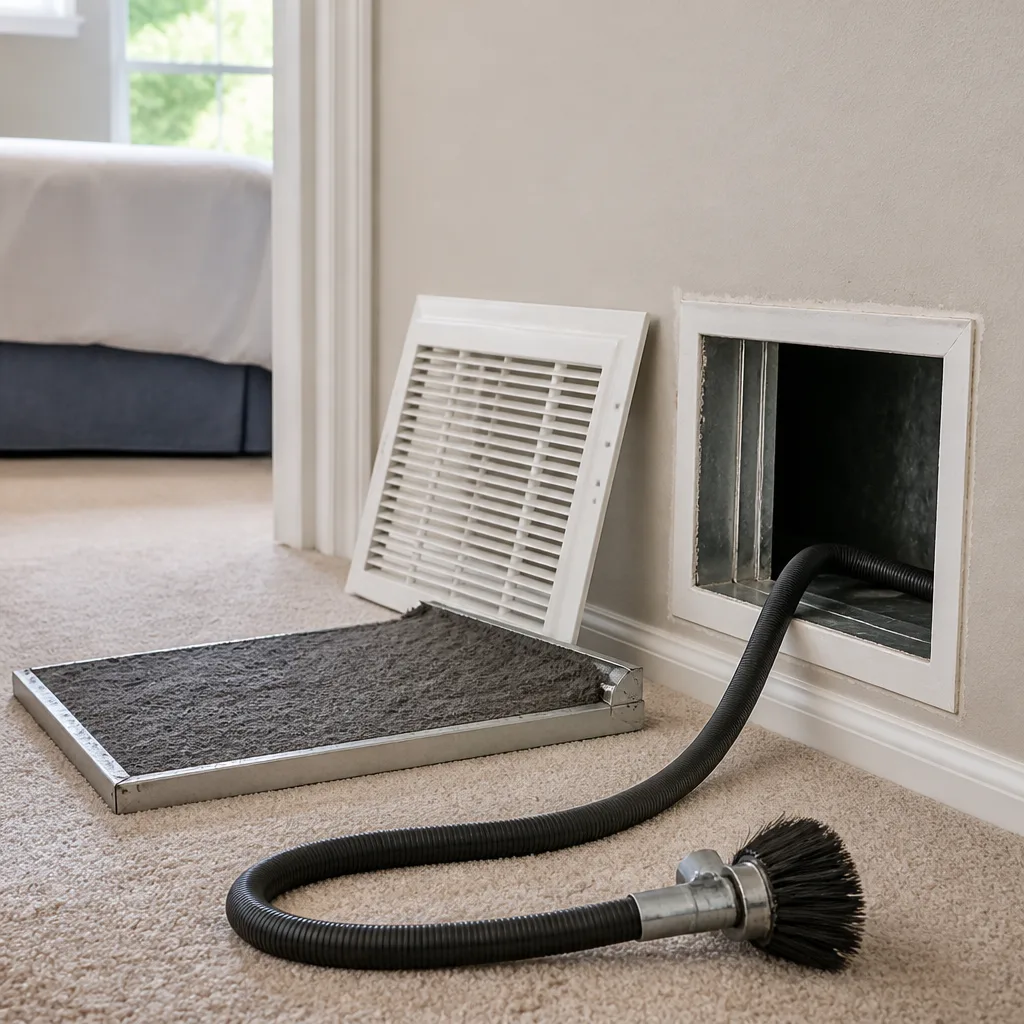 Whole-home duct cleaning
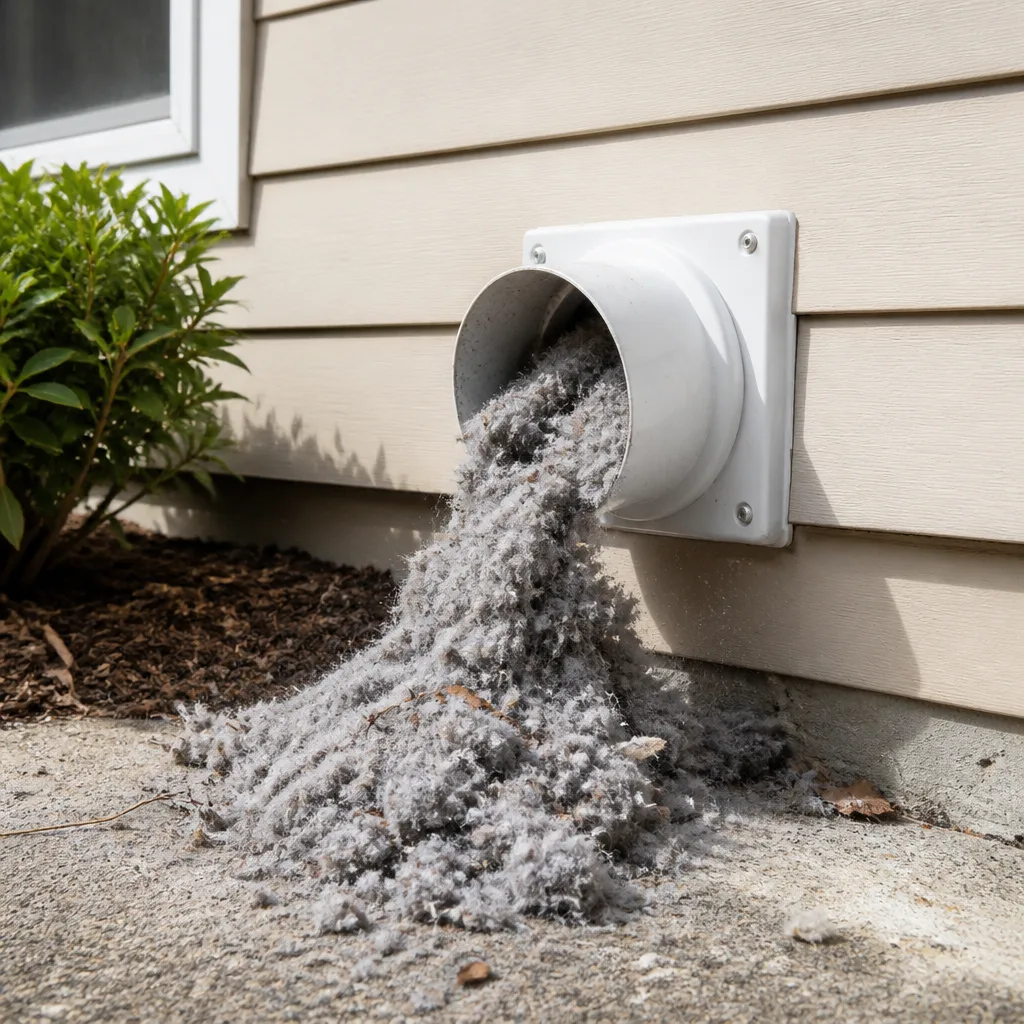 Dryer vent cleaning
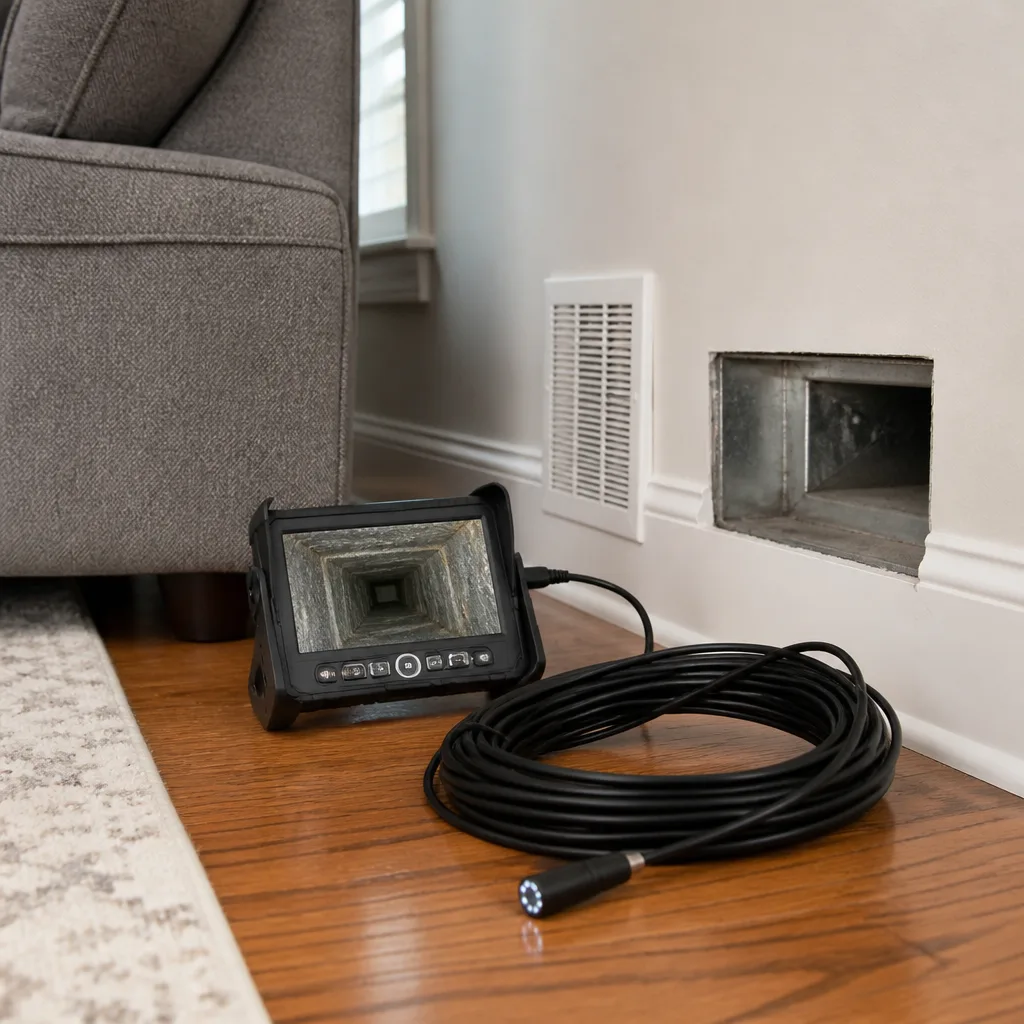 Camera inspection
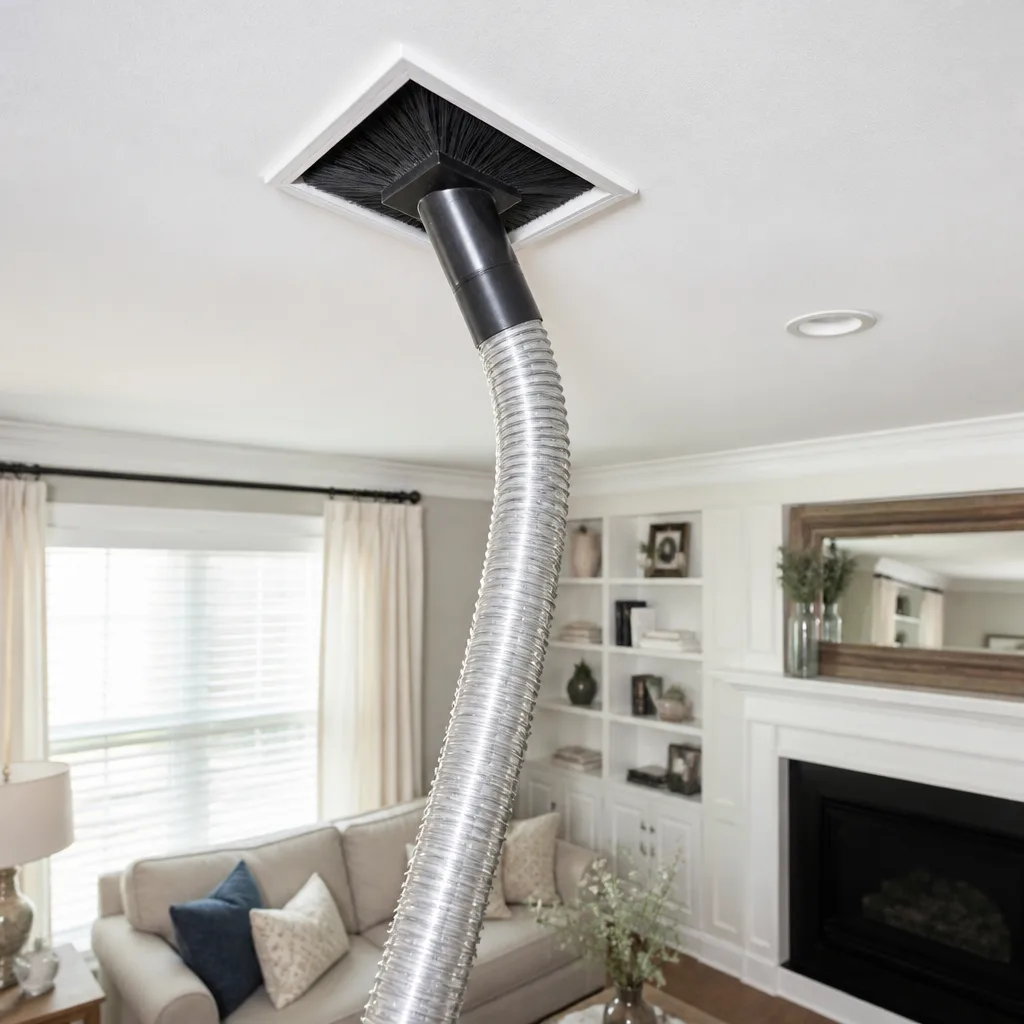 Sanitizing & deodorizing
Whole-system duct and dryer vent check with before-and-after photos - you see exactly what came out of your vents
That "$99 whole-house special" is a bait ad - the real number appears once they are in your hallway, or the "clean" is a shop-vac at the register. We photograph the inside of your ducts before and after instead.
How to Hire an Air Duct Cleaning Contractor in Ridgewood: A Step-by-Step Guide
In New York State, anyone with a van can legally call themselves an air duct cleaning company. There is no state-issued duct cleaning license, which means there’s no official list to check, no credential the state hands out, and no penalty for a company that shows up with a shop vac and a promise. That puts the entire vetting process on you, the homeowner. This guide walks you through it: what equipment questions to ask before you book, how to read a quote for the warning signs, what a real pre-job walkthrough looks like, and how to get your job scope in writing so nothing gets glossed over. Ridgewood homes deserve better than a guess.
Quick Answer
To hire an air duct cleaning contractor in Ridgewood, ask about the equipment (portable HEPA vacuum, rotary brush agitation, negative-air containment), confirm whether the air handler and coil are included in the price, insist the scope is itemized in writing before work begins, and be skeptical of any quote under $100 for a whole house. There’s no state license for duct cleaning in New York, so the equipment and the written scope are your proof of quality, not a certificate on a website.
Styles & brands we work with
- Whole-home duct cleaning
- Dryer vent cleaning
- Camera inspection
- Sanitizing & deodorizing
Table of Contents
- Why There’s No License to Check in New York (and What to Vet Instead)
- The Equipment Questions to Ask Before You Book
- How to Read a Quote: Red Flags and What a Fair Bid Looks Like
- What NADCA Membership Tells You and What It Doesn’t
- What a Legitimate Pre-Job Walkthrough Looks Like
- Putting the Job Scope in Writing
- Ridgewood Air and Why Local Conditions Matter
- What “Done Right” Looks Like When the Job Is Over
Why There’s No License to Check in New York (and What to Vet Instead)
New York does not license air duct cleaning contractors the way it licenses electricians, plumbers, or general contractors. That’s the single most important thing to understand before you start calling, because most homeowners assume there’s a state database they can look a company up in. There isn’t one specific to duct cleaning. A contractor who advertises in Ridgewood may hold a general business certificate, and an HVAC contractor doing duct-related work might hold a separate trade license, but neither of those is a guarantee the person showing up at your door has ever run a rotary brush through a supply run.
What this means practically is that the burden of proof shifts to the contractor, and the questions you ask become the credential. In our experience, a company that’s serious about the work doesn’t mind talking about its equipment for ten minutes. A company that isn’t serious gets vague fast, changes the subject to price, or starts telling you your ducts are full of mold before anyone has looked inside one.
Here’s what to vet instead of a license:
- Equipment specifics. Ask what the source vacuum is, whether it’s truck-mounted or portable, and how it filters. Ask how the ducts are agitated (more on this below). Vague answers here are the clearest signal of a company that’s winging it.
- Scope clarity. A legitimate contractor will tell you up front whether the price covers the air handler, the coil, and the return runs, or only the supply vents.
- Documentation. Ask whether you’ll get before-and-after photos of your own system. A company doing real work can send them. A company blowing dust around the house can’t.
- Insurance. Ask for a certificate of insurance and confirm the local pro is licensed and insured as their state requires. This protects your home if something gets damaged.
None of this is exotic. It’s the same standard you’d apply to any contractor working inside your house. What makes duct cleaning different is how low the barrier to entry is, and how many companies have built their business model around a coupon and a hard sell.
The Equipment Questions to Ask Before You Book
The equipment rosters are where the real contractors separate from the pretenders. A real duct cleaning job requires a high-volume vacuum, a method of physically agitating the debris inside the ducts, and containment so that what’s loosened gets pulled out of the system rather than pushed into your living room. If a company can’t describe all three, you’re not talking to a duct cleaning contractor. You’re talking to someone with a hose.
Here’s the rundown of what to ask and how to interpret the answers.
Source vacuum: truck-mounted or portable?
Truck-mounted vacuums generate far more suction than portable units, which is why commercial and remediation work often relies on them. Portable HEPA units are also legitimate and common for residential jobs, but they should be professional grade, not a shop vac with a filter taped on. Look for a recognizable name in the trade. Our technicians work with Ridgewood Air Duct Cleaning equipment drawn from Rotobrush, Nikro, Abatement Technologies, and Guardsman – all systems you’d find on commercial and restoration jobs, not entry-level consumer machines. If a contractor can’t name their vacuum, ask what the HEPA rating is and listen for a specific answer.
Agitation method: rotary brush, air whip, or skipper ball?
This is the most overlooked question, and it matters more than the vacuum brand. A vacuum alone pulls loose dust off the duct walls. It won’t move caked-on debris in the corners of a rectangular trunk, and it won’t reach the full circumference of a round run. You need some form of agitation to knock that material loose.
- Rotary brush systems use a rotating head attached to a flexible rod, sized to the duct. This is the most thorough method for removing caked debris from duct walls and is the standard on professional jobs.
- Air whips use compressed-air nozzles to blast the duct walls. Effective, but messier without strong containment.
- Skipper balls are a specific type of air-driven agitation device, generally used for round ducts.
A company that only does agitation with a vacuum nozzle and no brush travel is going to leave a layer of material behind. Ask which method they’ll use on your system and why.
Containment: what keeps the dust out of your living room?
Negative-air machines create a pressure differential that pulls airborne particulates into a filtration unit rather than letting them scatter into the room. Abatement Technologies is a name you’ll see on remediation jobs because their equipment is built for that standard of containment. For a Ridgewood home dealing with post-renovation dust, mold history, or heavy pet dander, negative-air containment isn’t a luxury, it’s what keeps the job from making things worse before it makes them better.
How to Read a Quote: Red Flags and What a Fair Bid Looks Like
The quote is where most homeowners get burned, and the pattern is predictable. A coupon price brings the number down to something that seems almost too good to be practical, the technician arrives, points out “mold” in the ducts, and the invoice ends up an order of magnitude higher than the coupon. This isn’t a rare scam. It’s the standard upsell model across a big chunk of the industry, and Ridgewood isn’t immune to it.
Here’s how to spot the quotes that will go sideways.
Red flags in a duct cleaning quote
- Flat-rate pricing well under $100 for a whole house. No equipment that can do the job costs little enough to make that work. Either the scope is tiny (one vent, not the house), or the price is a door-opener for an upsell.
- No mention of the air handler. The air handler is the box containing the blower and coil. If the quote doesn’t address cleaning the blower compartment and coil, you’re getting a fraction of the work. This is one of the most common omissions in low quotes.
- Mold claims before any physical testing. A real contractor doesn’t diagnose mold from the doorway. If someone tells you you have mold before taking a sample or examining the interior surfaces, that’s an upsell script. Mold remediation is a separate trade with its own testing standards.
- Per-vent pricing. Price per vent is a way of charging more as the job grows without ever committing to a whole-system number. It also tends to ignore the trunk and return lines entirely.
- Pressure to sign on the spot. Real work doesn’t require a same-day signature to get a “discount”.
What a fair quote looks like
The most common whole-home air duct cleaning quotes fall in a wide range depending on the number of runs, whether the air handler is included, accessibility, and whether the system has any damage. In the Ridgewood market, expect a professional full-system job to land well above a coupon price and to be itemized. The exact number depends on what your system has, and it should be set in writing before work starts. One flat price per system, agreed up front, is the thing to look for. Not a per-vent tally, and not a coupon that changes in the driveway.
Ask each contractor the same three questions so you’re comparing like with like: does the price include the air handler and coil, does it include the return runs, and does it include any needed duct repair or sealing.
What NADCA Membership Tells You and What It Doesn’t
NADCA is the National Air Duct Cleaners Association, and its membership and certification programs are the closest thing the industry has to a recognized standard. A contractor who has gone through NADCA training has at least been exposed to proper methodology and the ACR Standard, the industry’s assessment, cleaning, and restoration standard for HVAC systems. Those are real credentials that reflect real knowledge, and you should absolutely use them as part of your vetting.
Here’s what NADCA membership does not give you:
- It isn’t a license. NADCA is a trade association. Membership is not state-regulated, and NADCA itself doesn’t send an inspector to check a company’s equipment.
- It doesn’t confirm the specific technician arriving at your house is certified. Company membership and individual technician certification are two separate things. Ask which one a company holds.
- It doesn’t tell you what scope will be quoted. A company can hold a NADCA membership card and still write a quote that ignores the air handler. The credential is a floor, not a ceiling.
So treat NADCA membership as one positive signal among several. If a company is a member and can describe its equipment, its agitation method, its containment, and its documentation practice without hedging, you’re in good shape. If a company is a member and can’t answer the equipment questions, ask why.
If you want to see what a full system scope looks like, our air duct cleaning page lays out the supply, return, and air-handler approach.
What a Legitimate Pre-Job Walkthrough Looks Like
The pre-job walkthrough is when a real contractor looks at your system and starts building a plan. It’s not a five-minute sales call. It’s a system inspection, and you should be part of it. If a company skips the walkthrough entirely and quotes over the phone, that’s a quote that will change once they’re in the house.
Here’s the sequence to expect from a contractor who knows what they’re doing.
- Identify every access point. Your system has supply registers, return grilles, and a main trunk. A contractor should point out exactly where they’ll cut access panels or enter through existing openings, and whether any new access will need to be cut and later sealed.
- Map the system. How many supply runs, how many returns, where the trunk splits, where the air handler sits. This is what makes the quote accurate. If they quote without mapping, they’re guessing.
- Look inside the system. A flashlight and an inspection camera into the ducts, the air handler blower compartment, and the coil. This is what actually reveals whether you have debris buildup, moisture, or a leak issue.
- Check the dryer vent separately. Lint buildup in a dryer vent is a documented fire risk, not just an airflow complaint. If a contractor doesn’t bring it up during the walkthrough, they may not offer it at all. Our dryer vent cleaning service is part of the same visit rather than a separate vendor call.
- Agree on documentation. Before anyone climbs a ladder, ask for confirmation that you’ll receive before-and-after photos of your own ducts, not stock images and not a rundown of how much dust was pulled. A company that documents the work is a company that expects you to check.
- Note any existing duct issues. Sagging flex duct, disconnected sections, or gaps at joints are common in older homes. Duct repair and sealing is work that needs to happen before or alongside cleaning, and it should be flagged at the walkthrough.
If any of those steps get skipped, ask why. In our experience, the walkthrough is where a company shows you how much it actually knows. In Ridgewood’s older homes, it’s also where the surprises tend to surface, since the housing stock ranges from larger multifamily buildings near Myrtle Avenue to single-family homes on the quieter blocks off Cypress Hills Street.
Putting the Job Scope in Writing
The single most protective thing you can do before work starts is get the scope itemized in writing. Not a one-line “air duct cleaning, whole house, $XXX”, but a breakdown that names every component. If it isn’t written down, it isn’t in the price. And if it isn’t in the price, it’ll show up as an add-on once the technician is standing in your hallway.
A legitimate scope should itemize the following separately:
- Supply runs – count them and name them. Each register feeding a room should be accounted for.
- Return runs – separately from supplies. Returns often collect more debris and are the most common omission in low quotes.
- Main trunk – the large duct feeding or returning from the system. It’s where the biggest debris deposits collect.
- Air handler and blower compartment – if not listed, it’s not included.
- Evaporator coil – a finned component that traps dust and reduces efficiency when dirty. Clean it or don’t, but know which one you’re paying for.
- Dryer vent – quote it separately if you want it done. If you don’t have it done, at least ask whether your dryer vent is safe.
- Duct repair or sealing – if gaps, disconnected runs, or leaks turn up, they should be priced as a line item, not as an after-the-fact addition.
- Documentation – before-and-after photos of the system, delivered to you.
Ask for the scope in writing before the crew shows up. If a contractor resists, that’s your answer. One flat price per system, agreed in writing, with all of the above itemized separately, is the standard.
For a deeper look at what the cleaning itself involves, including the air-handler and coil steps, see our HVAC cleaning write-up. And if your home has a separate air-quality concern, duct repair and sealing is a core service rather than a referral, which matters when a gap in the system is the reason dust is getting back in. Full-scope providers handle duct repair and sealing as part of the same visit.
Ridgewood Air and Why Local Conditions Matter
Ridgewood’s housing runs the gamut: multifamily buildings from the early twentieth century, single-family homes, townhouses, and a growing number of renovations converting older properties into modern spaces. Each of those brings its own air-duct story. Older heating systems in these buildings often used oversized trunk work and round pipe runs that have been patched, joined, and added onto over decades. Renovations turn up disconnected sections, sealed-over returns, and flex duct that was installed as a quick fix and never revisited. All of that debris and all of those leaks end up in the same air that moves through your rooms.
The heating season in this part of Queens is long and dry, and that combination matters. Indoor humidity drops in cold weather, which lets dust and debris become more airborne and makes any gaps in the duct system more visible as dust trails on registers, walls, and furniture. Spring brings pollen in through the same ducts whenever the system is running, and any debris already sitting inside becomes a place for it to collect. If you have someone in the household with allergies or asthma, a system that’s been running for years untouched is a filter made of dust that you can’t see.
That’s why Ridgewood homeowners take this seriously. In a building where the same ducts serve the whole floor, or in a house where the HVAC system is the only air movement, the quality of what’s in the ducts isn’t an abstract. Our technicians have up to 10 years of experience working in homes across the area, and we’ve seen how much of the dust problem in a Ridgewood home comes down to what’s been sitting in the returns and on the coil.
What “Done Right” Looks Like When the Job Is Over
The job is done when you can see evidence of it. That evidence comes in a few forms, and it’s worth knowing what to expect so you can check.
- Before-and-after photos of your system. Not stock images, not a pile of debris in a bucket. Photos of the actual runs, the air handler compartment, and the coil, in the condition they were in and the condition they’re in now.
- Access panels restored. Any hole cut into the ductwork should be resealed to the same standard as the rest of the system. Cut-and-run is a red flag.
- Dryer vent verified clear. If the dryer vent was cleaned, air should move through it freely. A dryer that’s drying noticeably faster is a good sign.
- System performance. Airflow from the registers should feel even. If some rooms were noticeably weaker before and still are after, the issue may be a duct design or leak problem rather than a debris problem, and duct repair or sealing is the next step.
- Documentation on file. Save the scope and the photos. If you sell the home, they’re a useful record. If you ever have a warranty issue, they’re proof the maintenance was done.
For homes with air-quality sensitivities, whether from allergies, recent renovation dust, or a history of moisture in the system, an additional step of air quality sanitizing is available. The goal is to clean the system mechanically first, and then treat what’s left. Cleaning is the main event. Sanitizing is a follow-up that’s appropriate when there’s a specific reason to do it.
If you want to see the full picture of what the service includes, we’ve laid out the system scope on our air quality sanitizing and full-service page, linked through the Ridgewood Air Duct Cleaning home page. That’s also the easiest way to see how duct cleaning, dryer vent cleaning, HVAC cleaning, duct repair and sealing, and air quality sanitizing fit together as one visit rather than five separate vendors.
Common Mistakes to Avoid
- Choosing the lowest quote without asking about scope. The cheapest quote is almost always the smallest scope. If the quote doesn’t mention the air handler, the returns, and the trunk, you’re paying for a fraction of the job and the invoice will grow once the technician arrives.
- Assuming there’s a license to check. New York doesn’t license duct cleaning. The absence of a credential check is why the equipment questions matter so much.
- Falling for the pre-diagnosed mold upsell. Mold claims without physical testing are a sales script. Insist on evidence, and if you’re genuinely concerned about mold, that’s a remediation job with its own testing standard.
- Skipping the walkthrough. A phone quote is a guess. The walkthrough is where the contractor maps your system, identifies access points, and gives you a real number.
- Not asking for before-and-after photos. Documentation is what separates a job you can verify from a job you have to take on faith. Ask before you book.
- Ignoring the dryer vent. Lint buildup in a dryer vent is a documented fire risk, not an airflow annoyance. If the contractor is doing the duct work, the dryer vent should be on the list.
- Not getting the scope itemized in writing. “Whole-house duct cleaning” on a one-line invoice is a scope that can be interpreted any way the contractor wants after the work begins. Itemize it before anyone climbs a ladder.
See the difference
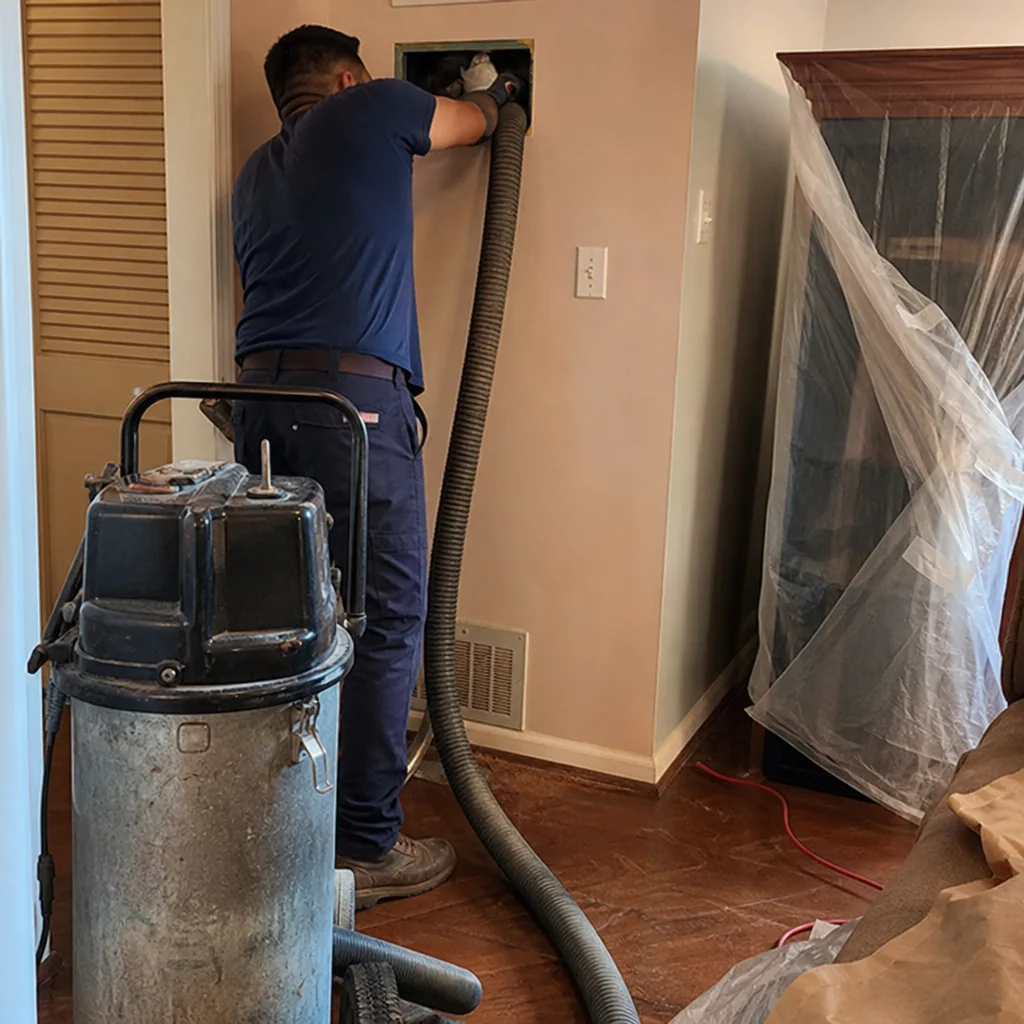 Before
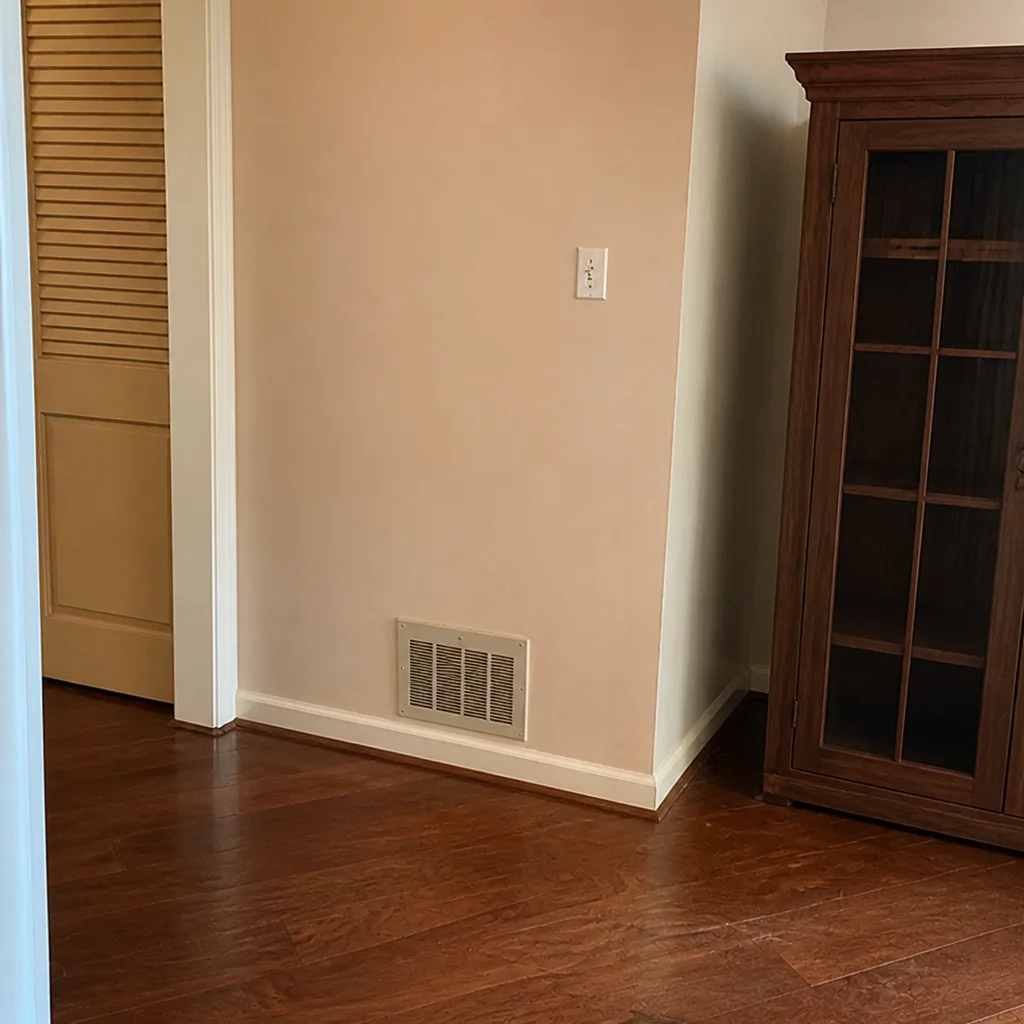 After
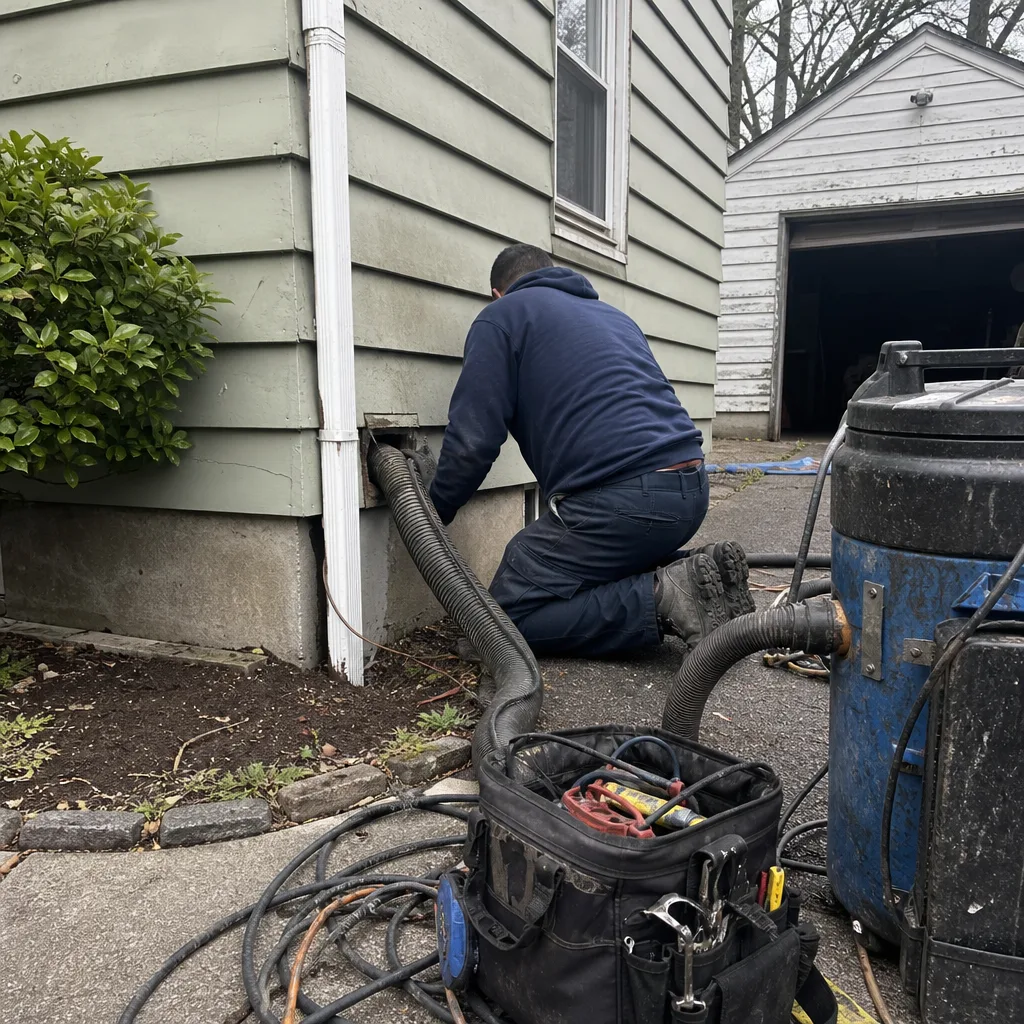 Before
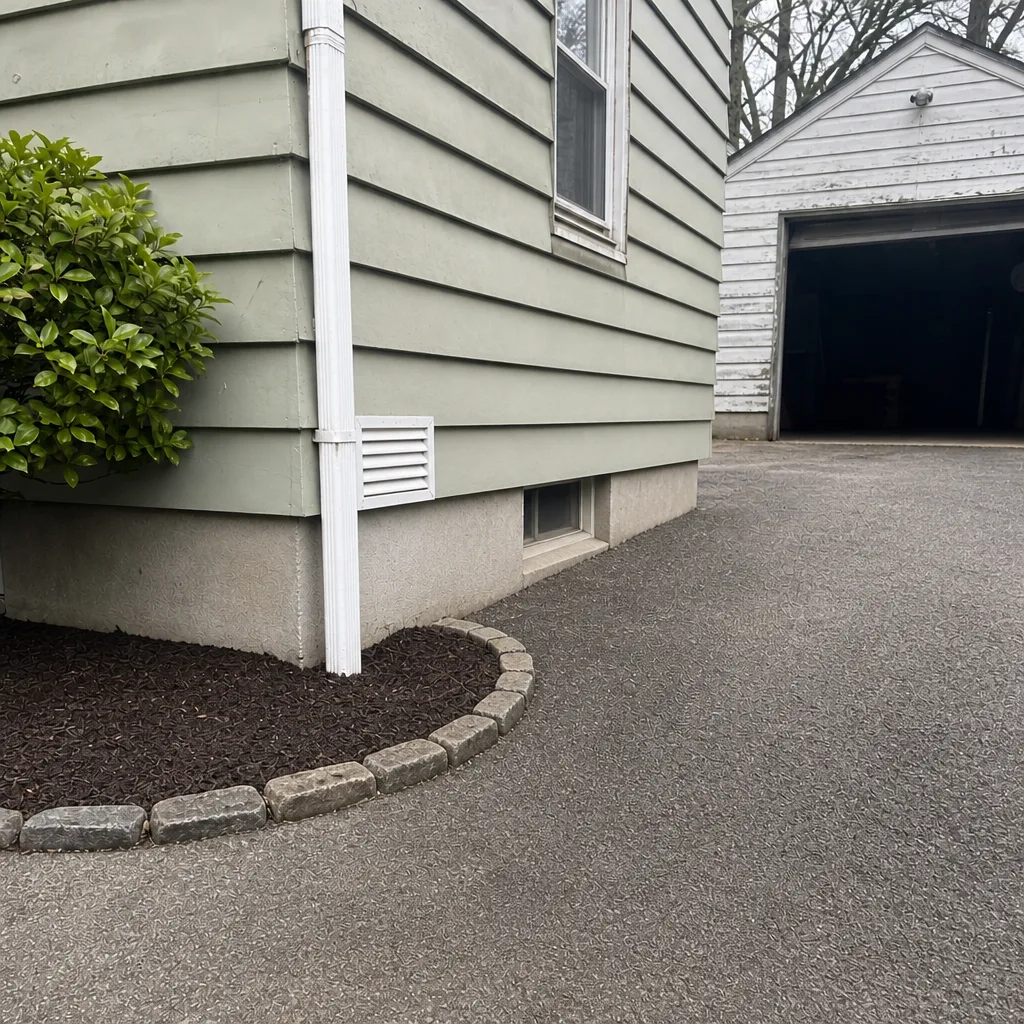 After
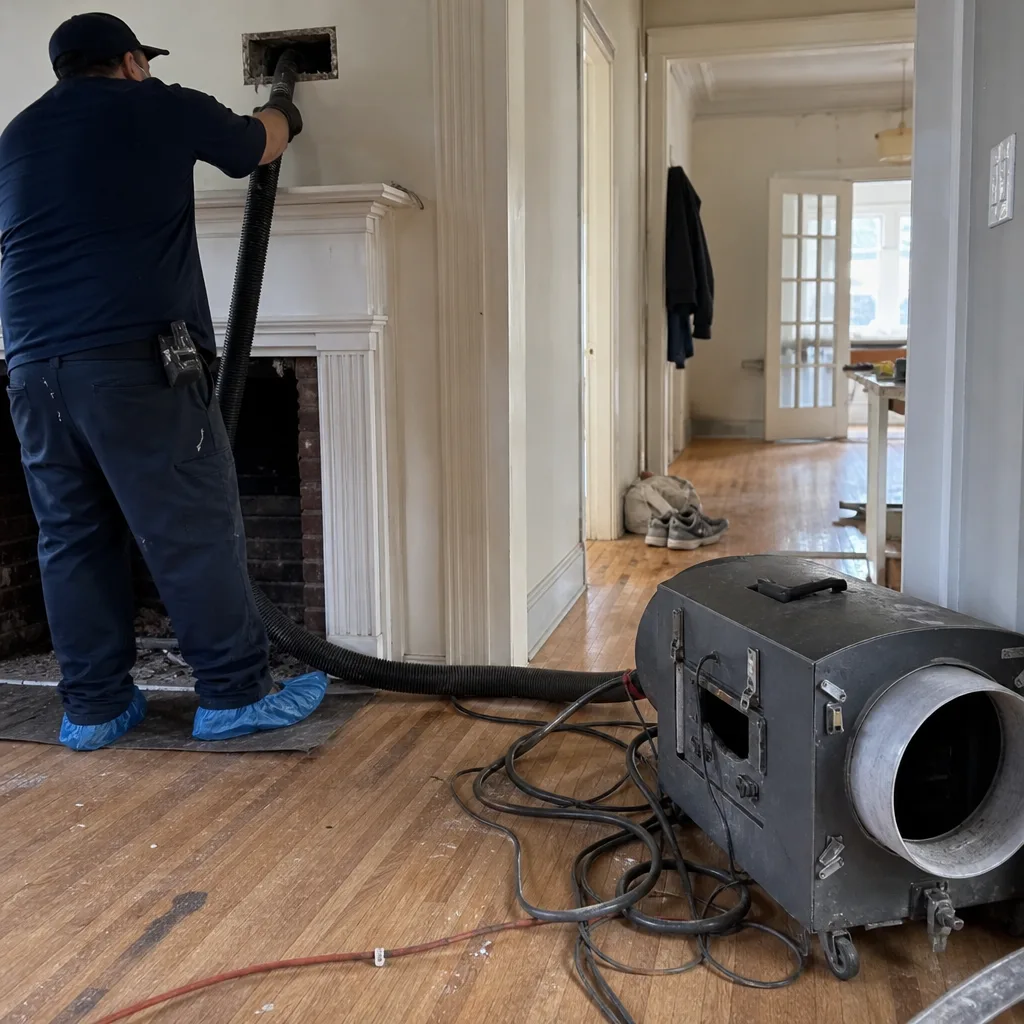 Before
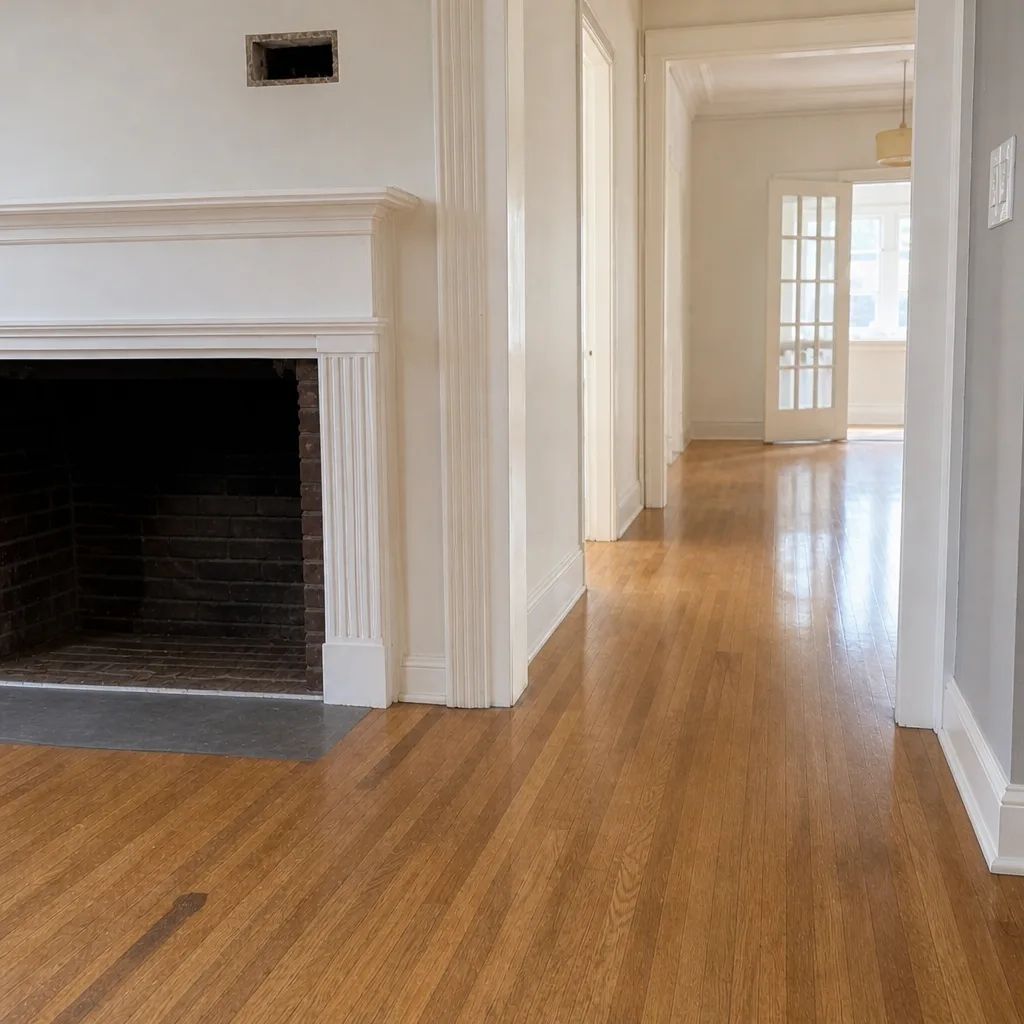 After
When to Call a Professional
There are moments when DIY isn’t the right move and duct cleaning falls outside what a homeowner can reasonably handle. If you’ve noticed a musty odor coming from the registers when the system kicks on, if dust is collecting on furniture faster than it should, if someone in the household has new or worsening allergy symptoms, or if you’ve just finished a renovation and drywall dust went everywhere, those are the scenarios where a professional cleaning will actually address the problem. A system that’s never been cleaned, an HVAC system that hasn’t had the coil inspected, or a dryer that’s taking noticeably longer to dry are also signals worth acting on. Duct repair and sealing are rarely DIY work even when the diagnosis is obvious, because resealing a live duct system requires the same negative-air containment and equipment standard as the cleaning itself.
Ridgewood Air Duct Cleaning offers free estimates in Ridgewood. Call (866) 443-1814 to book a walkthrough.
Frequently Asked Questions
Air duct cleaning in Ridgewood typically runs above a coupon price and depends on the number of runs, whether the air handler and coil are included, and whether any duct repair or sealing is needed. There’s no standard flat rate because every system is different, and the price should be set per job by a written estimate after a walkthrough. A whole-system quote that’s under $100 for a house is a red flag, not a bargain. Call (866) 443-1814 for an exact quote; estimates are free.
The cheap quotes are almost always a smaller scope or a door-opener for an upsell. A quote that doesn’t mention the air handler, the returns, or the coil is cleaning a fraction of the system, and the technician will find “problems” once inside to bring the invoice up. Per-vent pricing is another version of the same pattern. A fair quote itemizes everything up front and holds to one flat price per system. Call (866) 443-1814 to see what a full-scope estimate looks like for your Ridgewood home.
Ask for before-and-after photos of your own ducts, the air handler compartment, and the coil, and inspect that any new access panels were sealed. A legitimate contractor will provide these without being asked, and a company that can’t produce them hasn’t given you a way to verify the work. The photos are the proof, not the pile of debris in a bucket.
There’s no fixed rule, and anyone quoting a strict interval is oversimplifying. The realistic answer depends on whether you have pets, whether anyone in the household has allergies, how recently the home was renovated, and whether the ducts show visible buildup on inspection. For most homes, a system that’s been untouched for several years is worth inspecting. A home that’s recently had drywall work done warrants a cleaning sooner.
Yes, and it’s worth booking it at the same time as the duct cleaning. Lint buildup in a dryer vent is a documented fire risk, and it also drives up drying times and wear on the dryer. Dryer vent cleaning is a separate job from the HVAC ducts, and a company that doesn’t offer it will leave that part of your home unaddressed. Call (866) 443-1814 to add it to your Ridgewood estimate.
You should be there for the walkthrough and for the final handover, and most homeowners choose to be present for the job itself. The walkthrough is where the scope gets confirmed and the access points get identified, and the handover is where you’ll want to see the before-and-after photos and confirm the access panels were sealed. Being in the house also lets you flag anything the crew should know, like a specific register that’s always been weak or a pet who needs to be in a separate room.
The Bottom Line
Hiring a duct cleaning contractor in Ridgewood comes down to four things: knowing there’s no license to check, asking the equipment questions that separate a real contractor from a van-and-shop-vac operation, insisting on a walkthrough before any quote is written, and getting the scope itemized in writing so nothing can be added after the work starts. The quote that’s too cheap is the quote that doesn’t cover the air handler, the returns, or the coil. The quote you want is the one you can point to and say, this is what we agreed. One flat price per system, agreed before work begins, with before-and-after photos at the end. That’s the standard a Ridgewood home should hold every contractor to.
If you want a professional-grade explanation of what’s in your air, we’d rather walk you through it than sell you on it. We answer 24/7. For a free estimate, call (866) 443-1814. Fast dispatch from 7am to 7pm, Sunday through Friday. Closed Saturday.
Written by the team at Ridgewood Air Duct Cleaning.