
Last updated November 22, 2026
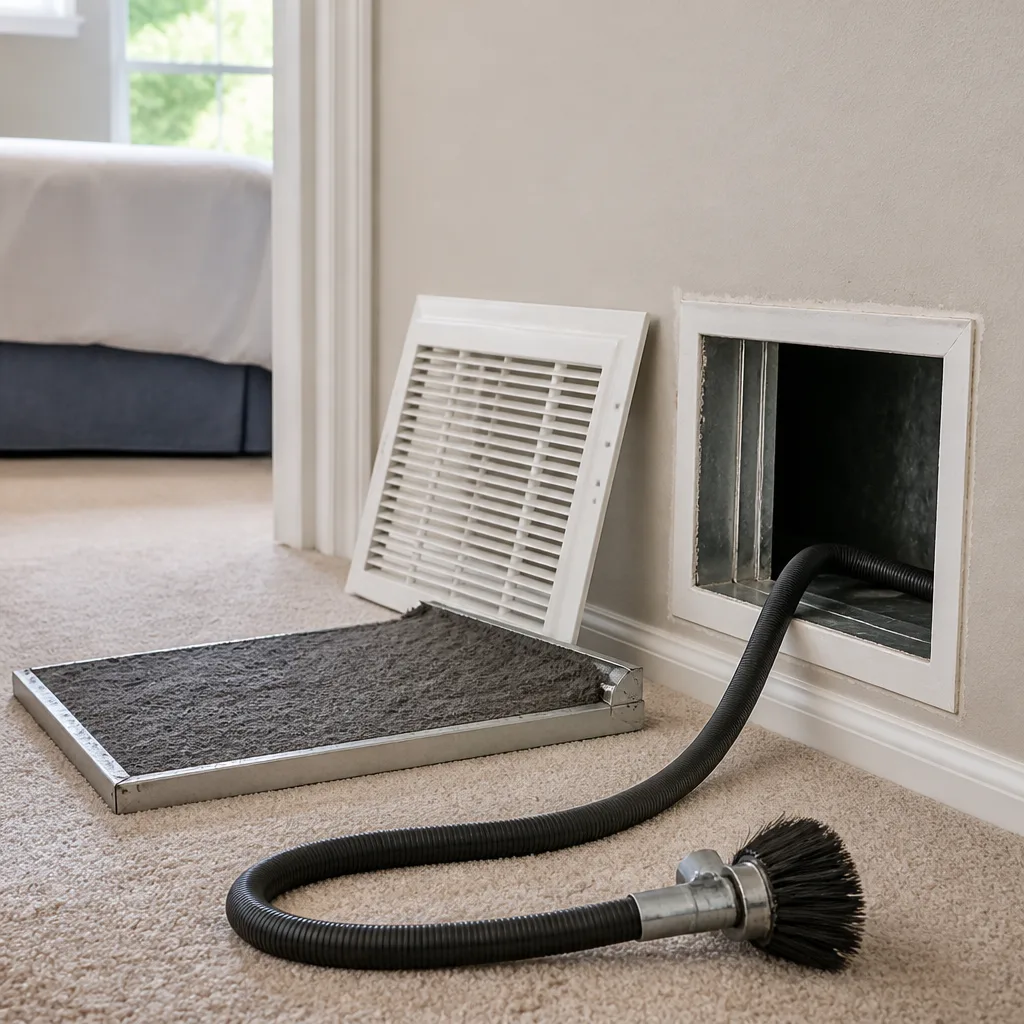 Whole-home duct cleaning
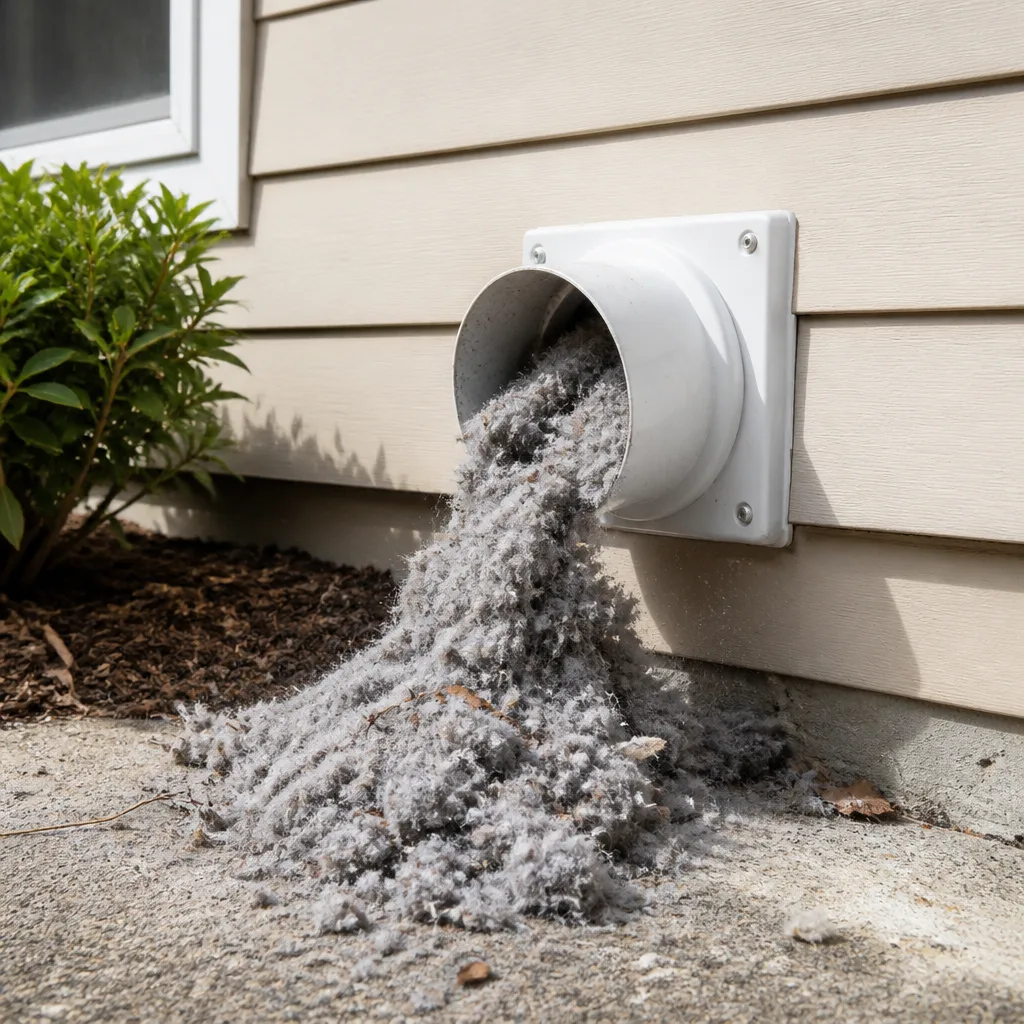 Dryer vent cleaning
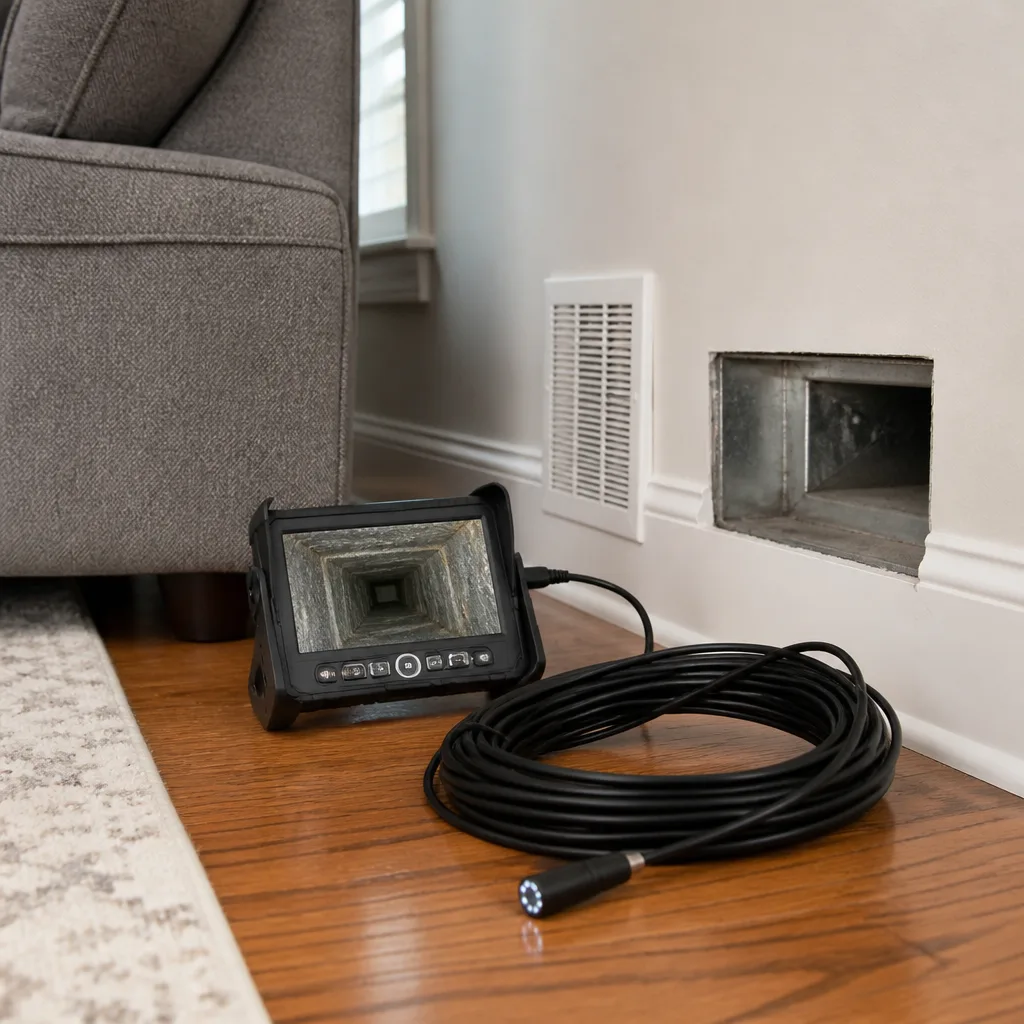 Camera inspection
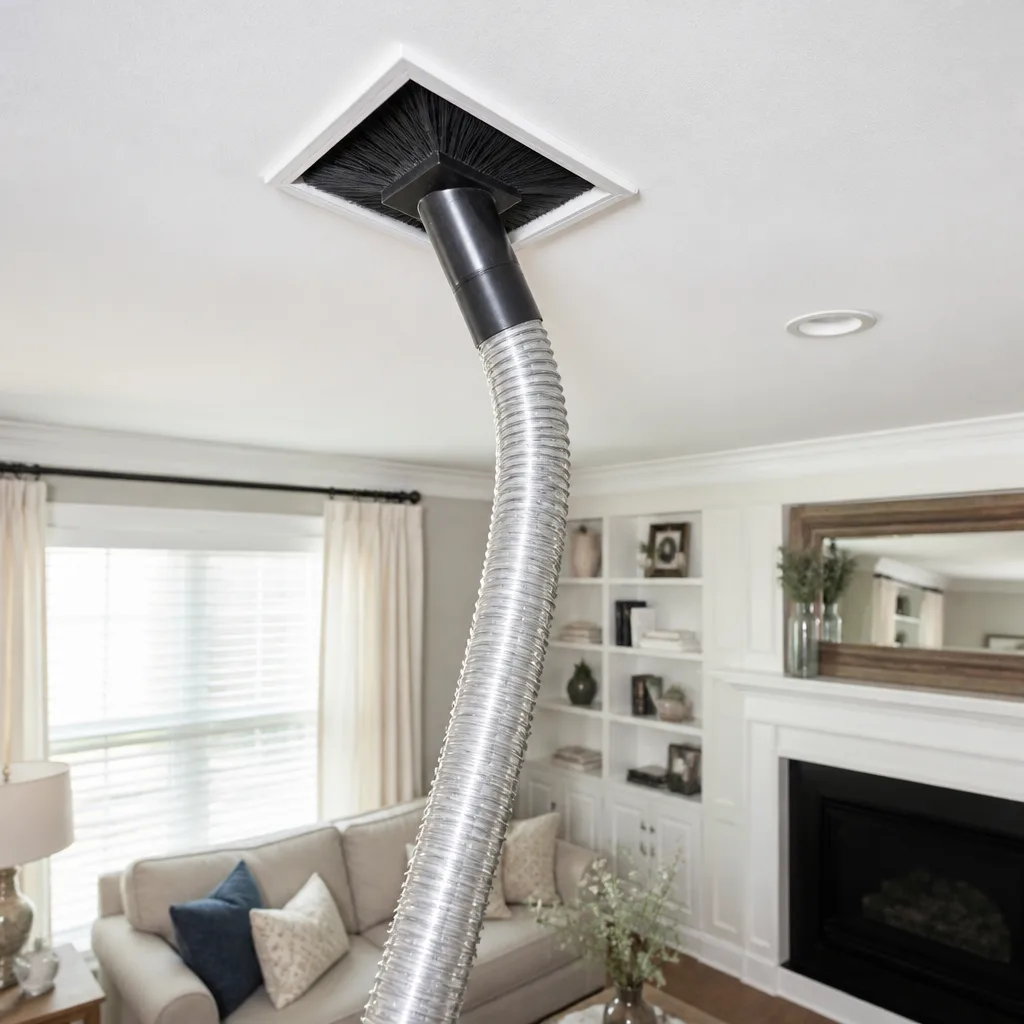 Sanitizing & deodorizing
Whole-system duct and dryer vent check with before-and-after photos - you see exactly what came out of your vents
That "$99 whole-house special" is a bait ad - the real number appears once they are in your hallway, or the "clean" is a shop-vac at the register. We photograph the inside of your ducts before and after instead.
Air Duct Cleaning Maintenance Checklist for Ridgewood Homeowners
Most Ridgewood homeowners call us the moment they see dust puffing out of a supply register. By then, the problem has usually been quietly building for months, dragging down air handler efficiency and burning through filters faster than it should. The register is the last place the dust shows up, not the first. What matters far more is what you notice between professional visits, and how well you write it down. Below is the checklist we’d hand a neighbor: monthly tasks, quarterly checks, the difference between an inspection trigger and a cleaning trigger, and the local facts that make a Ridgewood home its own case. Read it once, keep it, and use it before anything gets expensive.
Quick Answer
A workable air duct maintenance checklist in Ridgewood has three layers: monthly homeowner tasks (filter checks, lint trap clearing, a visual pass at each register), quarterly system checks (moisture near return grilles, unusual cycling, musty odor at startup), and an annual professional assessment of the whole forced-air pathway. An annual inspection is not the same as an annual cleaning. You clean when the evidence says to clean, and you inspect every year regardless. Logging what you see between visits is what turns a vague complaint into a diagnosis.
Styles & brands we work with
- Whole-home duct cleaning
- Dryer vent cleaning
- Camera inspection
- Sanitizing & deodorizing
Table of Contents
- Why a Checklist Beats a Cleaning Reminder
- Monthly Tasks: The Fifteen-Minute Pass
- Quarterly Checks: What the System Is Telling You
- Annual Inspection vs. Annual Cleaning: Different Thresholds
- How to Log What You See Between Visits
- Ridgewood Factors: Traffic, Old Buildings, Shared Walls
- The Dryer Vent Belongs on the Same Checklist
- What a Proper Professional Assessment Covers
Why a Checklist Beats a Cleaning Reminder
A calendar reminder tells you to clean. A checklist tells you whether cleaning is actually warranted, and gives you the evidence to prove it later. That distinction matters in a Ridgewood housing stock where systems range from a single forced-air furnace in a frame house to a rooftop unit feeding a whole apartment line. Blanket schedules waste money on some homes and leave real buildup untouched in others.
The mechanical reason is simple. Ductwork collects two different things: loose particulate that a filter can capture, and adhered material that clings to the duct wall and the air handler’s interior surfaces. The first changes month to month. The second accumulates slowly and doesn’t announce itself. Your monthly pass catches the cheap stuff early. The quarterly checks catch the conditions that let the expensive stuff take hold, things like a return grille drawing moist air from a damp basement corner or a blower running longer cycles than the weather calls for.
In our experience, the homes that stay clean longest are the ones where somebody is paying attention between visits. Not scrubbing anything. Just looking, listening, and writing it down. That habit costs almost nothing and it’s the single best defense against a job that grows from a standard cleaning into remediation-level work. If you want the full picture of what a professional cleaning involves before you start tracking, start with air duct cleaning so you know what the end goal looks like.
Monthly Tasks: The Fifteen-Minute Pass
Once a month, walk the system. Fifteen minutes is enough. You’re not cleaning ducts, you’re gathering information.
- Inspect the filter. Hold it up to a light. If you can’t see through it clearly, replace it. Note the date on the frame edge with a pencil so the next check is honest.
- Check every register and return grille for visible dust, discoloration, or debris. A light film is normal. A mat of gray fuzz or visible streaks means the airstream is carrying more than it should.
- Clear the dryer vent lint trap before and after each load, and look at the exterior vent flap. If the flap doesn’t swing freely, lint is loading up behind it.
- Listen at startup. Stand near the air handler for thirty seconds when the system kicks on. Rattle, whistle, or a change in pitch is information worth writing down.
- Note any new musty smell at the nearest supply register, especially in a room that’s been closed up.
A filter that’s clogging in three weeks instead of eight is a signal. In a Ridgewood home near a busy avenue, some extra loading from street particulate is expected. A filter that suddenly collapses on schedule suggests the ductwork is shedding material or the air handler is pulling air from an unfiltered return, and that’s the kind of thing a technician can find faster if you’ve logged it.
Quarterly Checks: What the System Is Telling You
Four times a year, go a level deeper. These are the checks that surface conditions a monthly pass would miss.
- Moisture near return grilles. Run a hand along the drywall or plaster around each return. Coolness is fine. Dampness, soft spots, or a faint tide line are not. Returns often sit near a bathroom wall or a kitchen ceiling, and a small leak above them feeds the whole duct system with humid air.
- HVAC cycling behavior. Count how long the system runs on a mild day. If runtime has crept up while the thermostat setpoint hasn’t changed, the airflow side may be restricted. Restricted airflow pushes a blower harder and shortens equipment life.
- Musty odor after startup. Power the system on after it’s been off for a few hours and stand at a central register. A brief neutral smell is normal. A sustained musty or “wet basement” smell usually means biological growth somewhere in the pathway, often on the evaporator coil or in the plenum.
- Noise changes. New whistling at one register after a supply damper has been adjusted is a balancing issue. New whistling without any adjustment may be a separating joint or a disconnected run.
Each of these is a data point, not a verdict. Write it down with the date. When a technician sees four months of notes, they walk in with a hypothesis instead of starting from zero, and that shortens the visit.
Annual Inspection vs. Annual Cleaning: Different Thresholds
This is where most homeowners get sold something they didn’t need, or skip something they did. Inspection and cleaning are two separate decisions with two separate thresholds. An annual inspection is a look at the whole forced-air pathway: supply and return runs, the plenum, the air handler interior, the filtration setup, and the joints in between. It tells you the current condition. Every home benefits from that once a year, whether or not anything gets cleaned.
Cleaning is triggered by evidence. In our experience, one or more of the following is what actually flips the switch:
- Visible particulate discharge from supply registers when the system runs
- Organic growth (dark staining, musty odor confirmed at multiple registers) anywhere in the pathway
- Recent renovation, sanding, or drywall work with the system running
- A rodent or pest intrusion into the ductwork
- Filter loading that has accelerated well beyond your normal schedule
- Post-water-damage conditions where the system was involved
Absent any of those, an inspection that finds light surface dust is an inspection that found light surface dust. That’s a perfectly good outcome. It’s also the reason we tell Ridgewood homeowners not to sign up for a fixed annual cleaning without an inspection first. A clean home with a well-sealed system may go two to three years between cleanings. A home next to an active renovation might need one six months after the last. The evidence decides.
How to Log What You See Between Visits
A log is not a diary. It’s a diagnostic tool, and a piece of documentation you’ll be glad you kept. Keep it simple and keep it consistent.
- One page, one column per date. A notepad taped inside the air handler closet door works. So does a note on your phone, as long as the dates are there.
- Record four fields per entry: date, what you observed, where in the system, and what was happening at the time. “Oct 12, faint musty smell, north bedroom supply, first startup after a rainy week” is a usable entry. “Smells weird” is not.
- Log filter changes by date and by how loaded the old filter was. “About 80% loaded at 5 weeks” tells a technician more than the date alone.
- Log any HVAC repair, thermostat change, renovation, or water event. These are correlated with duct conditions more often than homeowners expect.
- Photograph anything unusual. A dark ring around a return, a sagging flex run in an accessible space, the exterior dryer vent flap. Photos settle arguments.
The second reason to keep a log: warranty and insurance. If a warranty claim or an insurance discussion ever comes up, contemporaneous notes are worth far more than a memory reconstructed months later. Whether your equipment warranty requires documented maintenance is a question for the manufacturer’s paperwork, but having the record costs you nothing and answers the question either way.
Ridgewood Factors: Traffic, Old Buildings, Shared Walls
Ridgewood is not a generic suburb, and a maintenance checklist written for a new-build subdivision doesn’t transfer cleanly.
Particulate load from the urban environment. The neighborhood sits close to the multi-lane arteries running through Queens, and the particulate that settles out of that traffic doesn’t stay on the streets. It lands on roofs, windowsills, and outdoor condenser coils, and some of it gets pulled into returns through gaps in the building envelope. In our experience, homes on busier blocks tend to load filters faster than quiet side streets. Your monthly filter check is the way to find out where your home sits.
Older building envelope. A large share of Ridgewood housing is pre-war or mid-century construction, and those buildings have dust intrusion points that newer seals don’t: gaps around original window frames, unsealed penetrations where a cable or pipe enters a wall, knee walls and attic hatches that never were airtight. Each of these feeds the return side. Logging where dust shows up first, room by room, helps a technician trace the entry point instead of just cleaning up after it.
Shared-wall construction. In many Ridgewood two-family and attached homes, ductwork or wall cavities run along a shared wall. An unsealed joint on one side can allow cross-contamination into a neighboring unit’s airstream. If you’re noticing an odor that doesn’t match anything in your own home, or dust that appears concentrated along a shared wall, that’s worth flagging in the log. Sealing those joints is part of the HVAC cleaning scope, not a separate trade.
The Dryer Vent Belongs on the Same Checklist
Most homeowners treat the dryer vent as an appliance problem. It’s an air-system problem, and it’s the one on this list with a fire-safety dimension. Lint accumulates behind the drum, in the transition duct between the dryer and the wall, and inside the long vertical or horizontal run to the exterior. A partially blocked vent doesn’t just slow drying time; it traps heat where lint can ignite.
Add these to your monthly and annual routine:
- Monthly: clear the lint trap, inspect the exterior flap for free movement, and check the flexible transition duct behind the dryer for crushing or kinks if you can reach it safely.
- Annually: have the full run from dryer to exterior assessed and cleaned. The inaccessible portions behind the wall are the ones that matter and the ones you cannot evaluate from the laundry room.
Longer drying times, a dryer that feels hot to the touch on the cabinet, or a laundry room that smells faintly of warm lint after a cycle are all reasons to move the assessment up. Our dryer vent cleaning service covers the full run, and in our experience it’s the single most under-scheduled item on a Ridgewood homeowner’s list.
What a Proper Professional Assessment Covers
When the annual inspection comes around, the scope of the visit matters as much as who performs it. A thorough assessment looks at the entire forced-air pathway, not just the ducts you can see.
- Supply and return ducts from the registers back toward the air handler, including any accessible flex runs, trunk lines, and branch takeoffs.
- The plenum and air handler interior, where dust and growth concentrate and where combustion equipment interfaces with the airstream.
- The filtration setup, including filter fit, bypass gaps around the filter frame, and whether the system is set up for the filtration it’s carrying.
- Duct joints and sealing. Any leak found gets documented, and repair and sealing can be handled in the same visit rather than referred out.
- Dryer vent if the homeowner opts for it, which we recommend pairing.
Equipment is where the work separates from the cheap alternative. A Rotobrush-style rotary brush system contacts the duct wall mechanically, and a Nikro negative-air machine with Abatement Technologies filtration holds the loose material under containment so it doesn’t redistribute into your living space. That’s the difference between professional-grade equipment and a shop vac with a long hose. Because we handle ducts, the air handler, sealing, and filtration under one roof, a Ridgewood homeowner doesn’t have to coordinate three vendors to close out an inspection. For filtration questions, we service Honeywell and Aprilaire product lines so the recommendation matches the equipment already in the home.
Common Mistakes to Avoid
- Waiting for visible dust at a register. By the time dust is blowing out, the air handler and filter schedule have typically been under strain for months. Track the leading indicators instead.
- Treating inspection as cleaning. Signing up for a routine cleaning without an inspection skips the diagnostic step. Insist on evidence before scheduling work.
- Skipping the log because “I’ll remember.” You won’t, and neither will the technician. Dates matter more than narrative.
- Replacing the filter more often but never checking for bypass. A filter that doesn’t fill its frame lets unfiltered air around the edges. The monthly pass should include a look at the fit, not just the color.
- Ignoring the dryer vent because the dryer still works. A functioning dryer can still have a loading vent. Drying time and cabinet heat are the signals to watch.
- Assuming a shared-wall odor is “the neighbor’s problem.” In Ridgewood’s attached housing stock, a scent that crosses a shared wall is worth investigating for a sealing issue on your side.
- Letting a renovation run without covering the returns. If you’re sanding, cutting, or pulling down plaster, sealing the supply and return openings during the work saves the system from a heavy load of construction dust.
See the difference
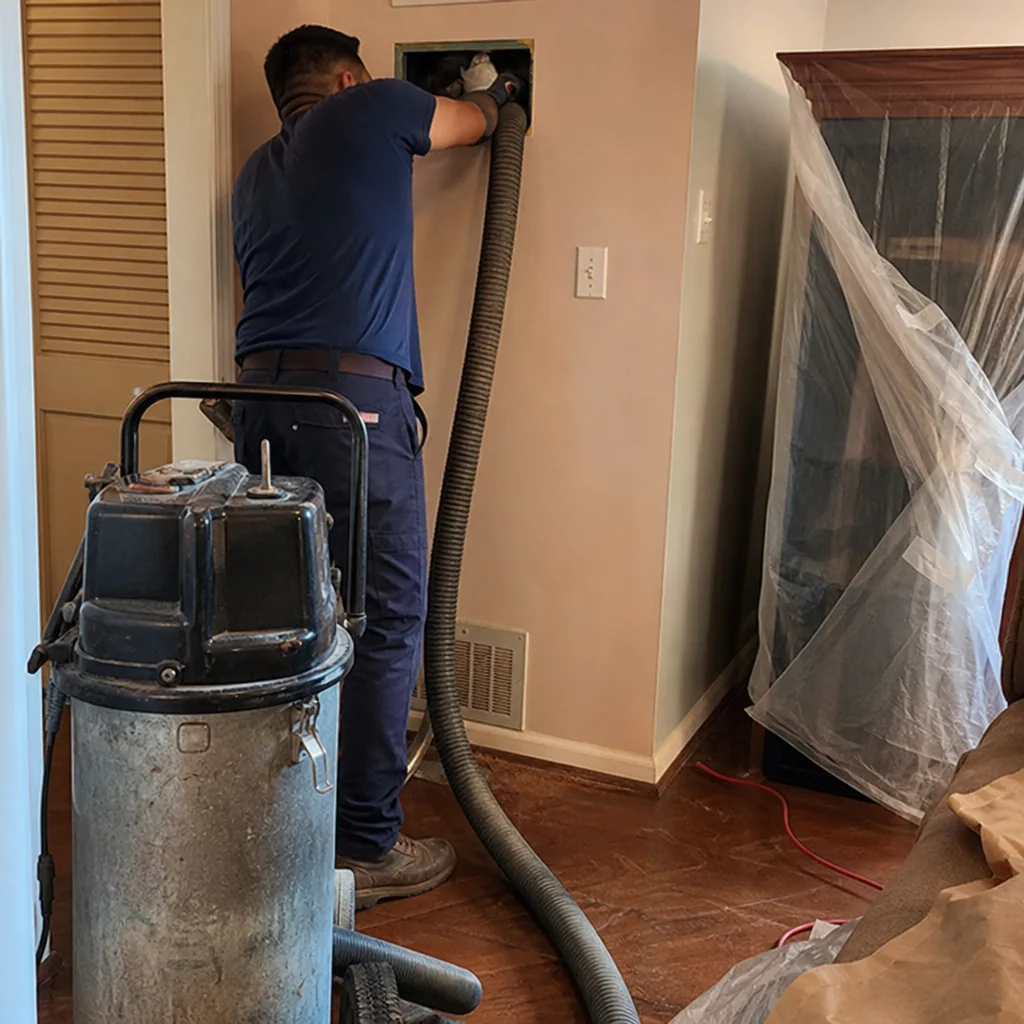 Before
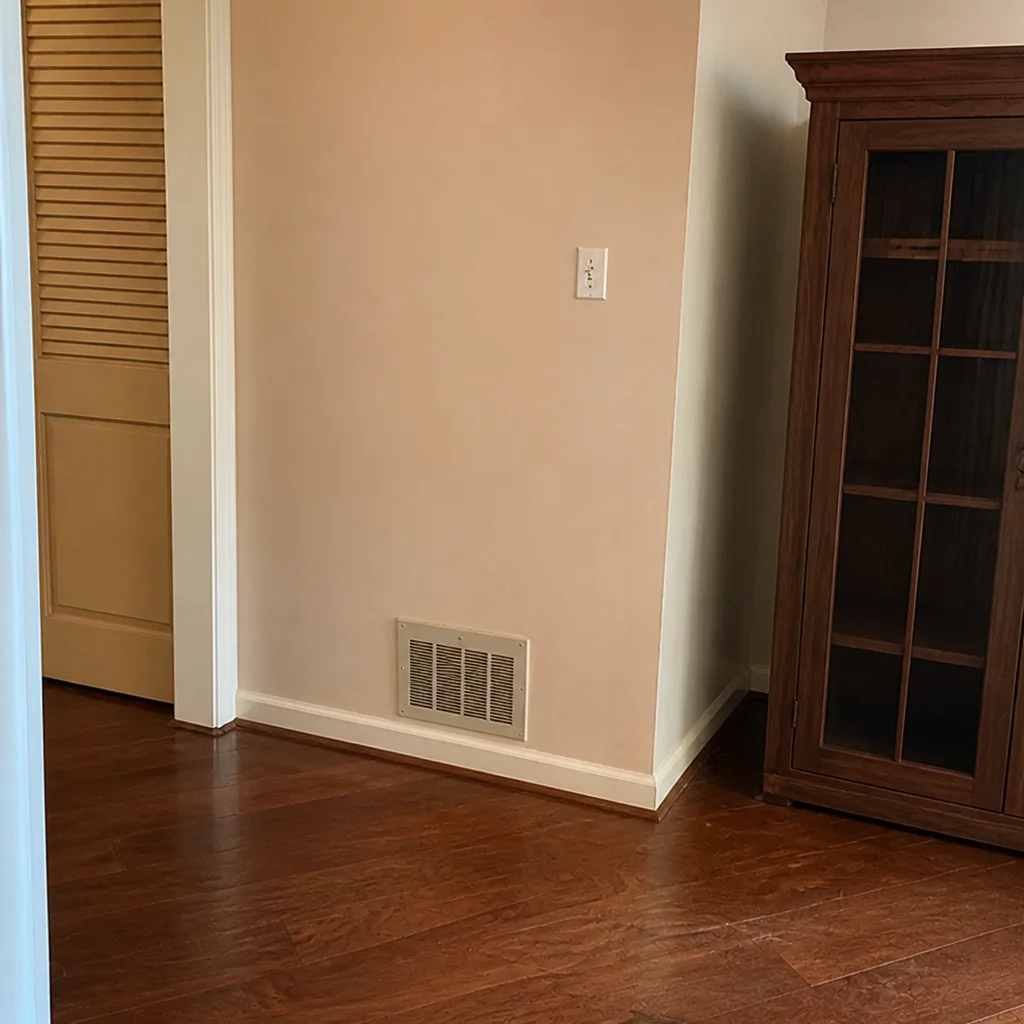 After
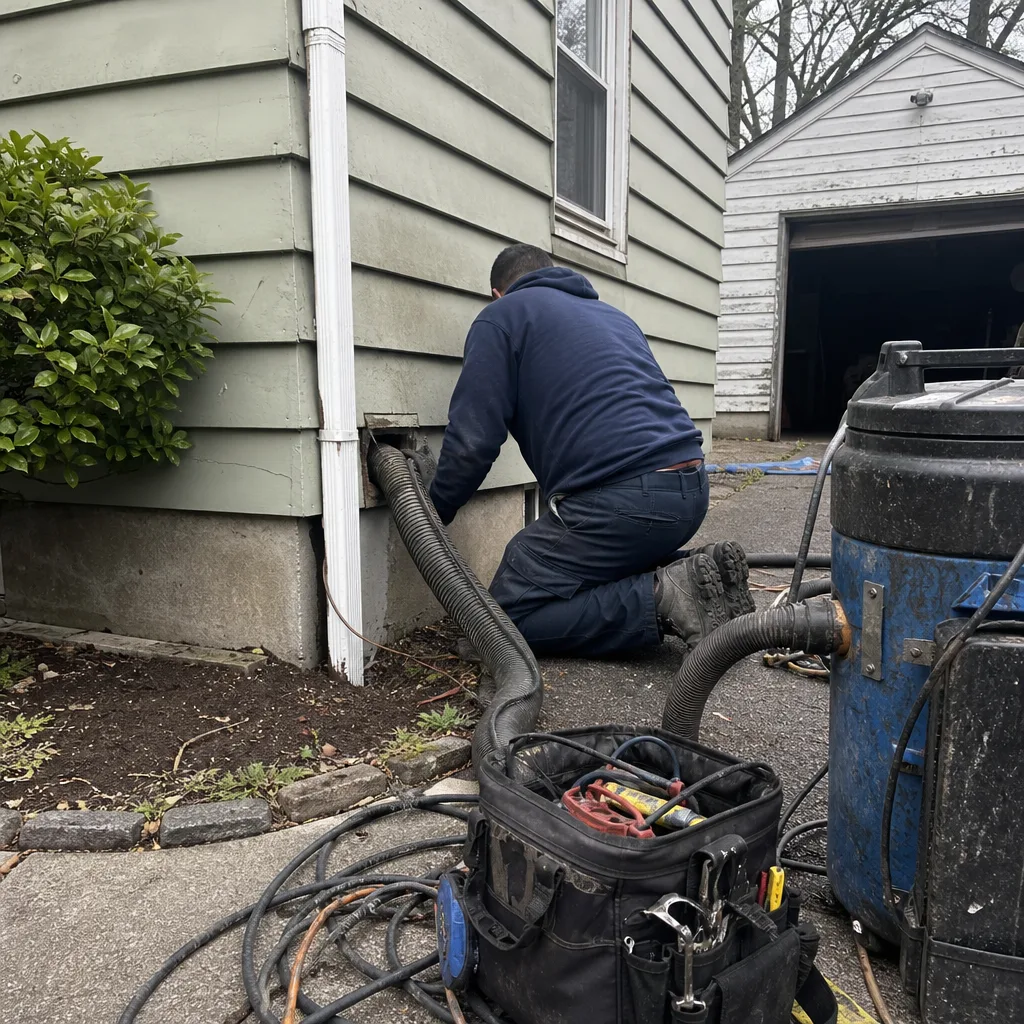 Before
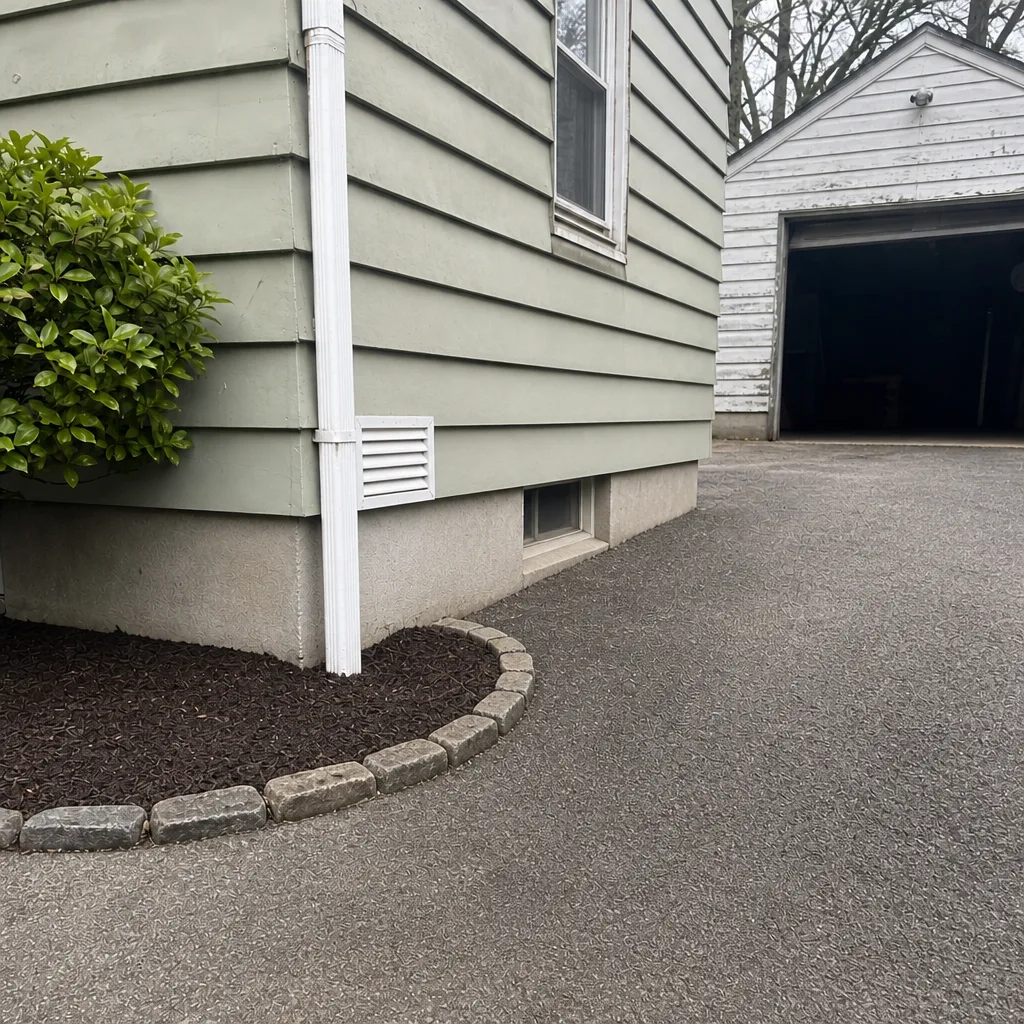 After
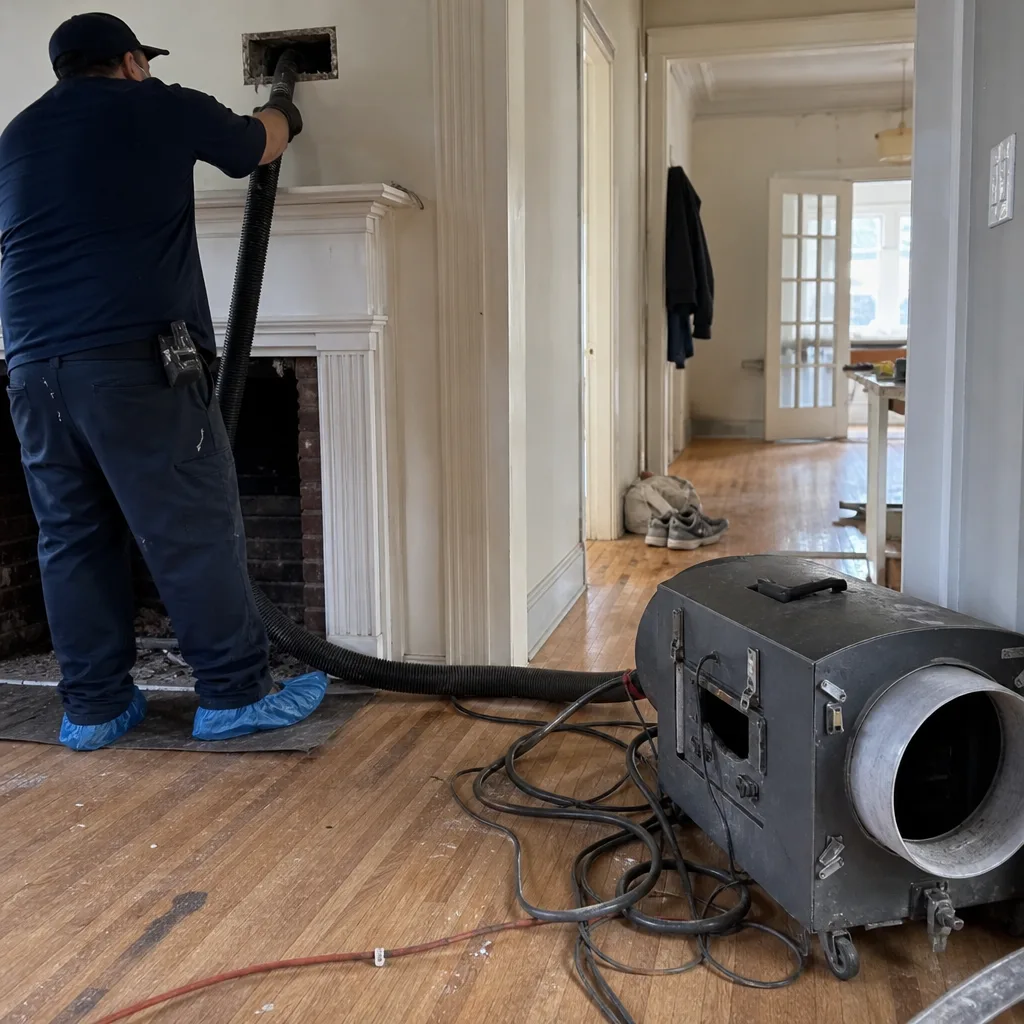 Before
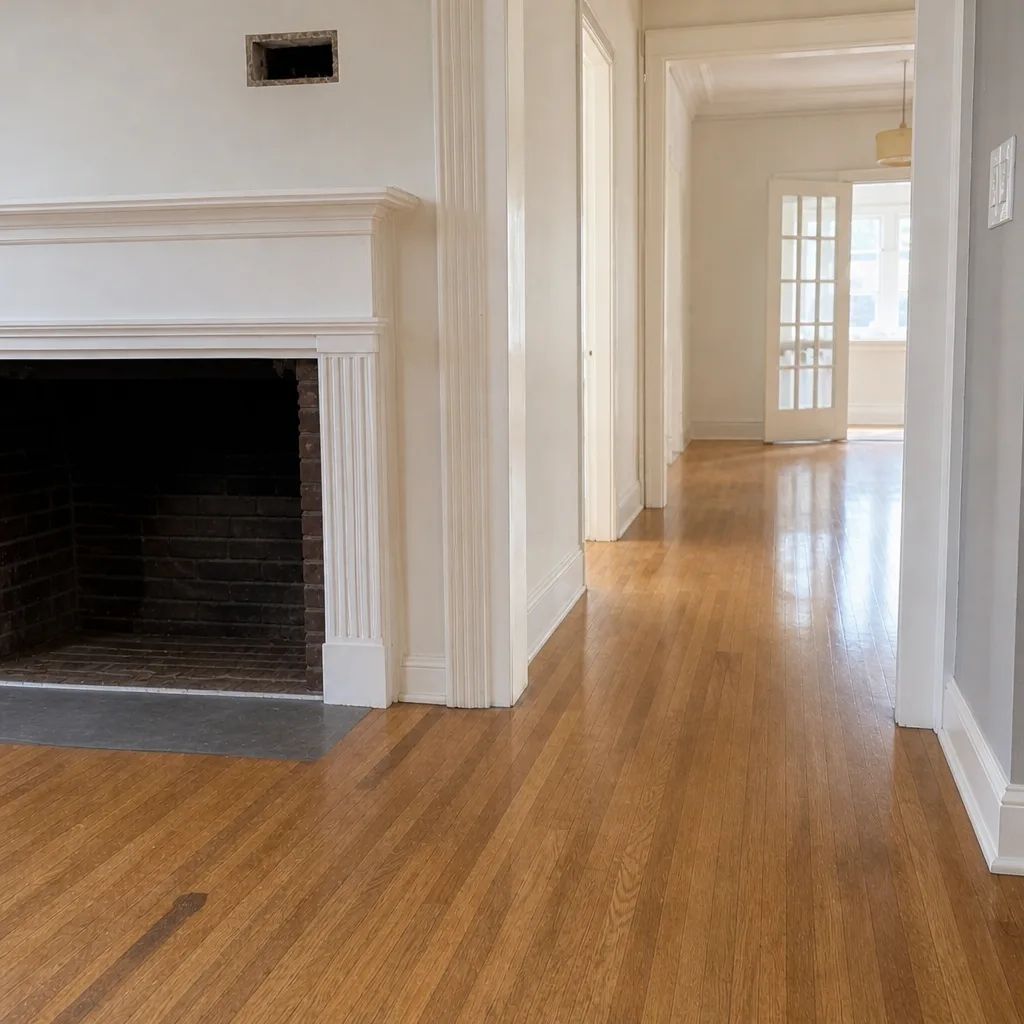 After
When to Call a Professional
Some things belong in the log, and some things warrant a call. Move the visit up if you find moisture or staining near a return grille, if a musty odor persists at startup across multiple registers, if your filter loading has sped up noticeably without any schedule change, if a rodent or pest has been in the ductwork, if you’ve just finished a renovation with the system running, or if a duct joint is visibly separated in an accessible space. Those are the conditions where a professional assessment beats another month of watching. Ridgewood Air Duct Cleaning offers free estimates in Ridgewood. Call (866) 443-1814. Our technicians have up to 10 years of experience across ducts, air handlers, sealing, and dryer vents, and we answer 24/7. Fast dispatch from 7am to 7pm, Sunday through Friday.
Frequently Asked Questions
There’s no fixed interval that fits every Ridgewood home. Most homes benefit from an annual inspection, and cleaning is scheduled when the inspection finds evidence: visible discharge at registers, organic growth, recent renovation, pest intrusion, or accelerated filter loading. Some homes go two to three years between cleanings. Homes near active construction or on busier blocks may need one more often. Call (866) 443-1814 for a free estimate so the timing is based on your system, not a schedule.
Pricing is set per system by a written estimate after the assessment, not by a coupon or a per-vent rate. The estimate reflects the actual scope: number of runs, accessibility, whether sealing is included, and whether the air handler needs attention. A written estimate agreed before work begins is the number you can hold us to. Call (866) 443-1814 for an exact quote; estimates are free.
A low quote usually means less equipment on site, fewer runs touched, or no containment. Without negative-air equipment and filtration, loose material gets stirred up and redistributed rather than removed, which is why the “cheap” version often needs repeating. Ask what equipment the contractor brings and whether the estimate covers the full forced-air pathway, including the air handler. Call (866) 443-1814 and we’ll walk you through what our estimate includes.
Ask for before-and-after photos of your own system, taken at the registers and air handler during the visit. Then confirm what equipment was used and whether containment was set up. Documentation plus photographic evidence is how you verify the work without standing over the technician’s shoulder. We photograph every job for our customers. Call (866) 443-1814 to schedule.
Yes. The dryer vent is part of the same air-system picture and the only item with a fire-safety dimension. Lint accumulates in the inaccessible run behind the wall, which you cannot evaluate from the laundry room. Longer drying times or a hot dryer cabinet are reasons to move the assessment up rather than wait.
Four things: filter loading speed, moisture or staining near return grilles, musty odor at startup, and changes in how the system cycles or sounds. Log each observation with a date and location. A technician who walks in with four months of notes can diagnose faster than one starting cold.
The Bottom Line
The checklist is the whole approach. A monthly pass for filters, registers, and the dryer lint trap. A quarterly check for moisture, cycling behavior, and startup odor. An annual professional inspection of the full forced-air pathway, with cleaning scheduled on evidence rather than habit. A log that gives a technician a head start and gives you documentation if a warranty or insurance question ever comes up. Ridgewood’s urban particulate, older envelope, and shared walls make all of this worth doing rather than skipping. If the notes start pointing one direction, a free estimate settles it. When you’re ready for the full-system assessment, reach out to the team at Ridgewood Air Duct Cleaning. Call (866) 443-1814. We answer 24/7. Fast dispatch from 7am to 7pm, Sunday through Friday.
Written by the team at Ridgewood Air Duct Cleaning.