
Last updated November 22, 2026
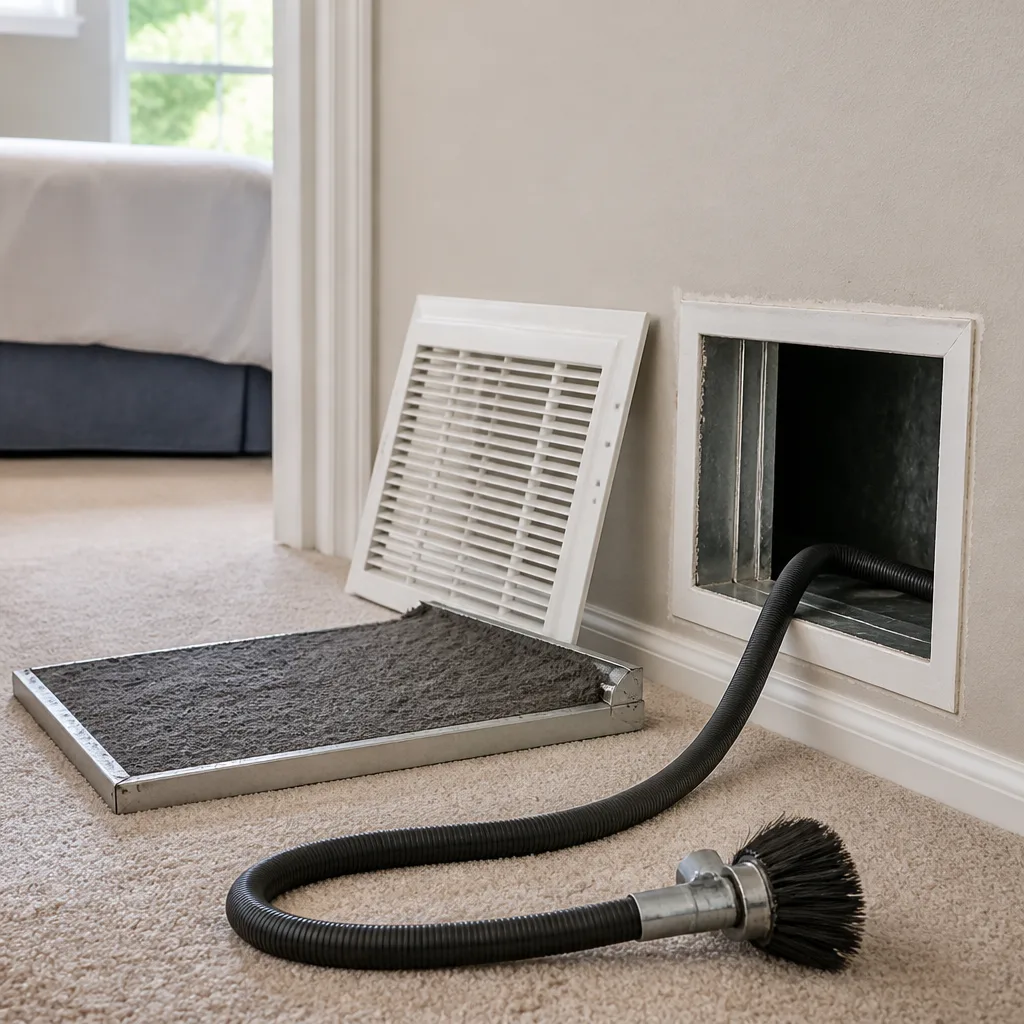 Whole-home duct cleaning
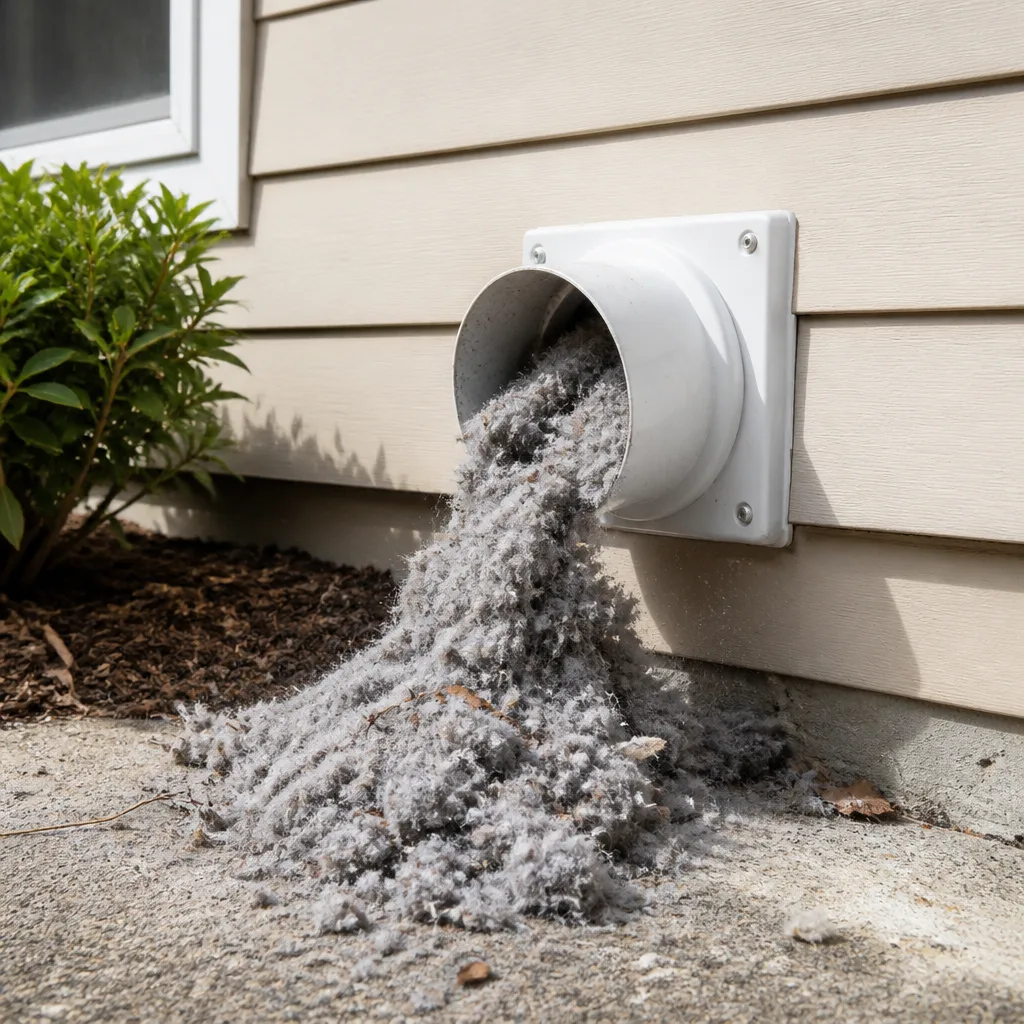 Dryer vent cleaning
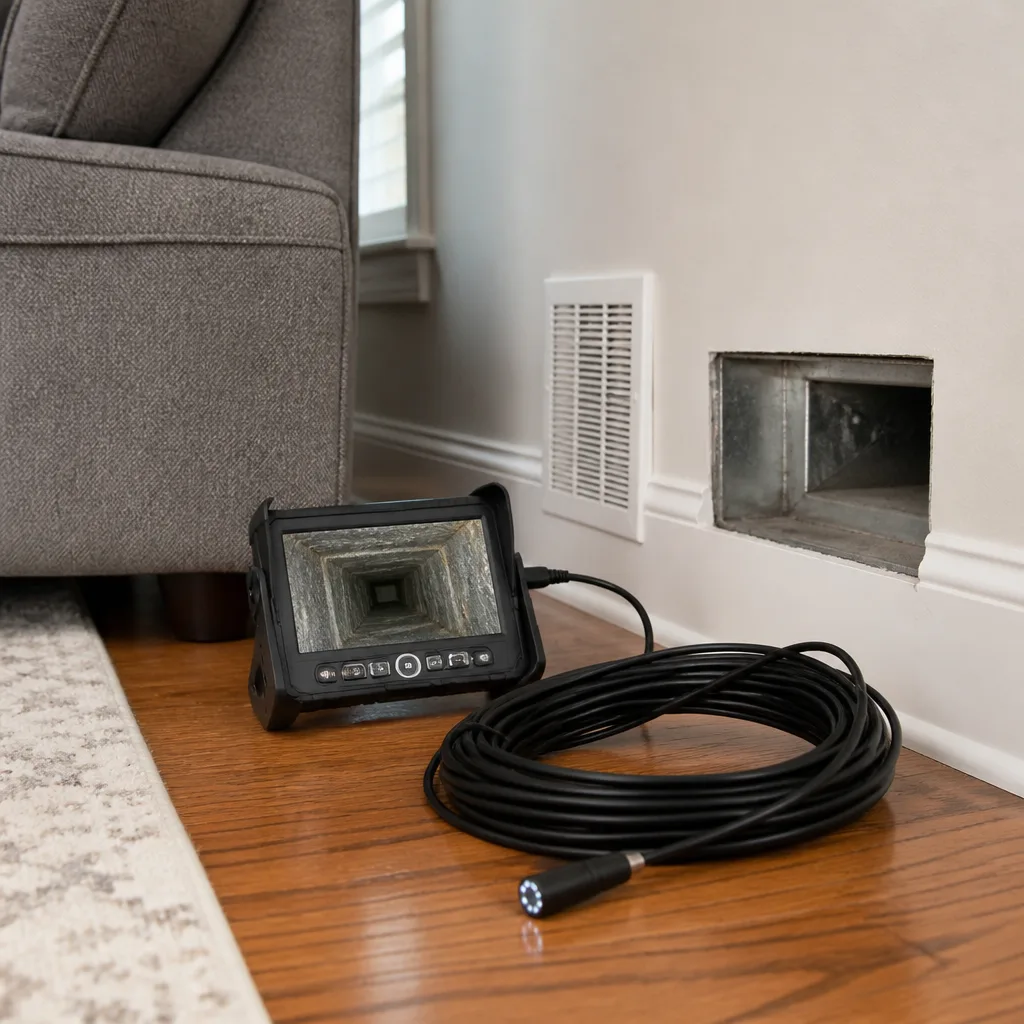 Camera inspection
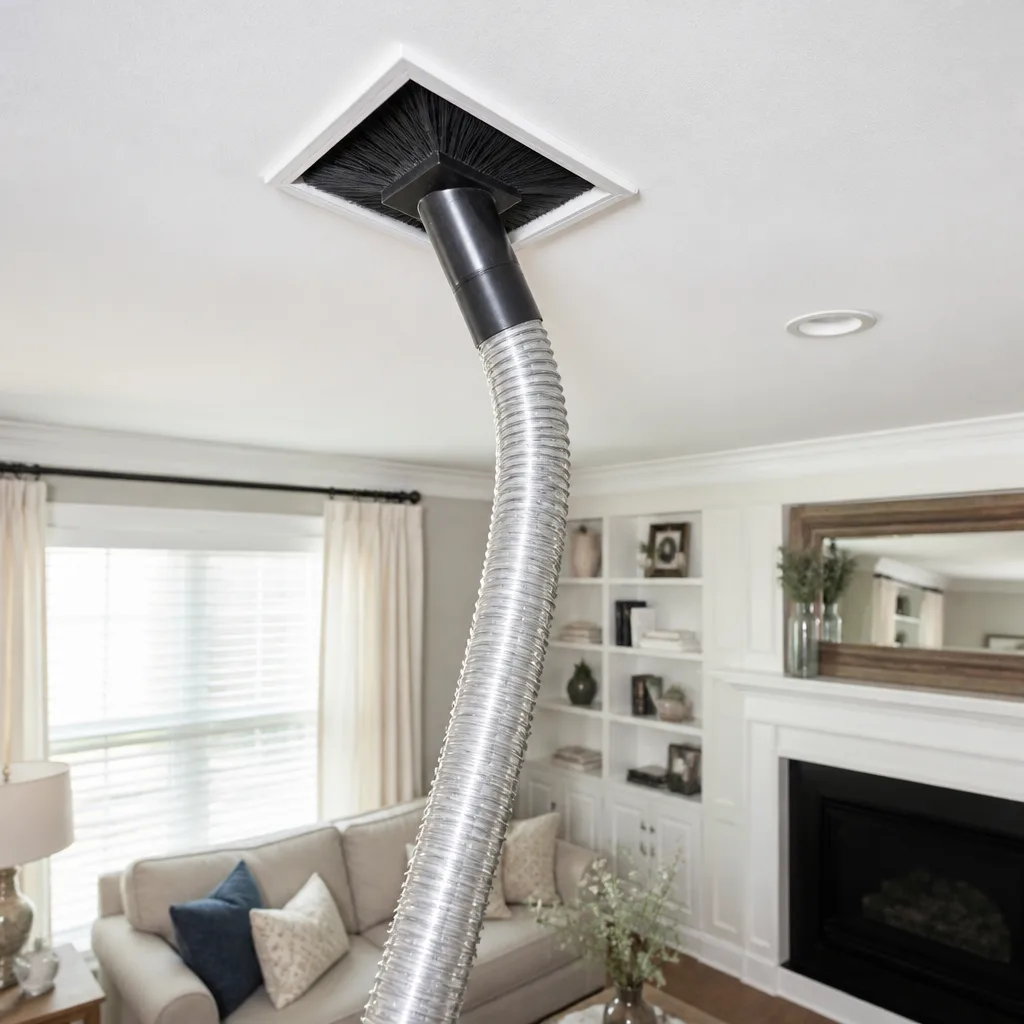 Sanitizing & deodorizing
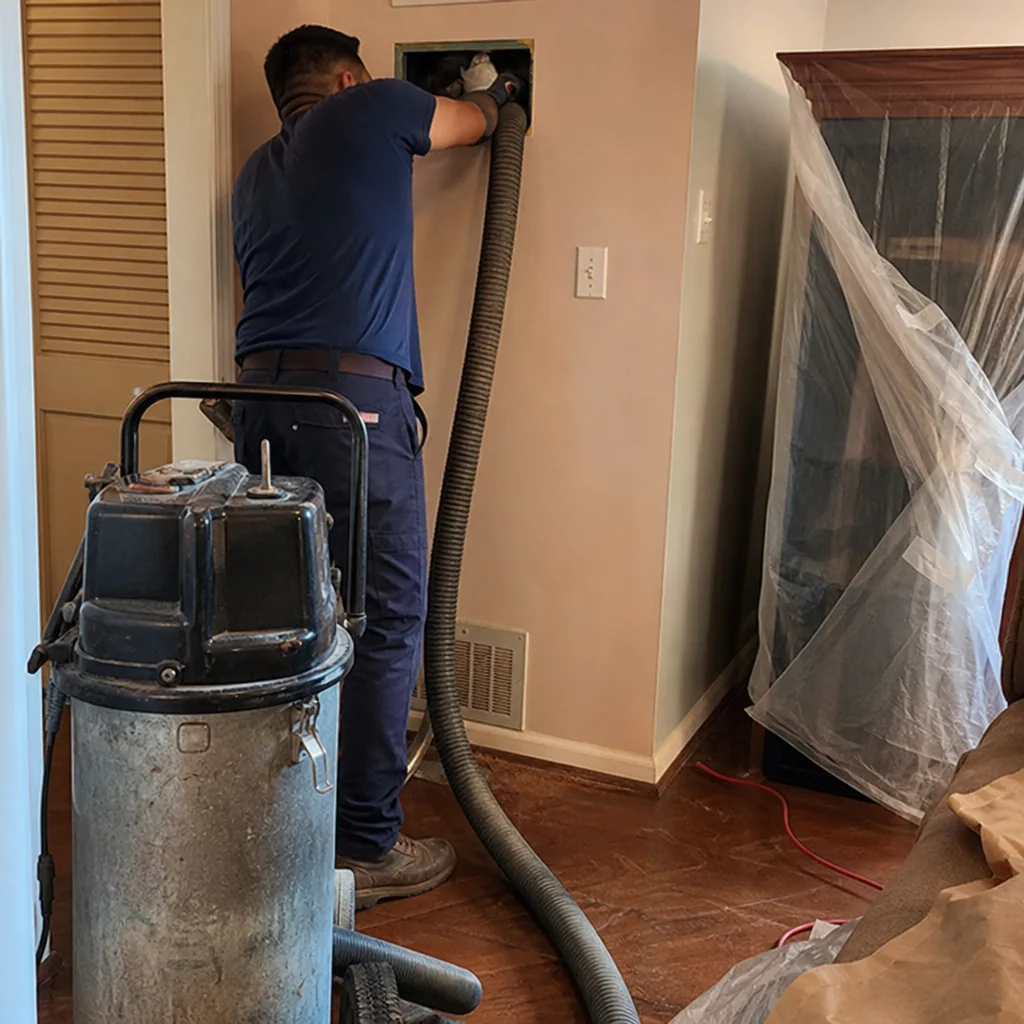
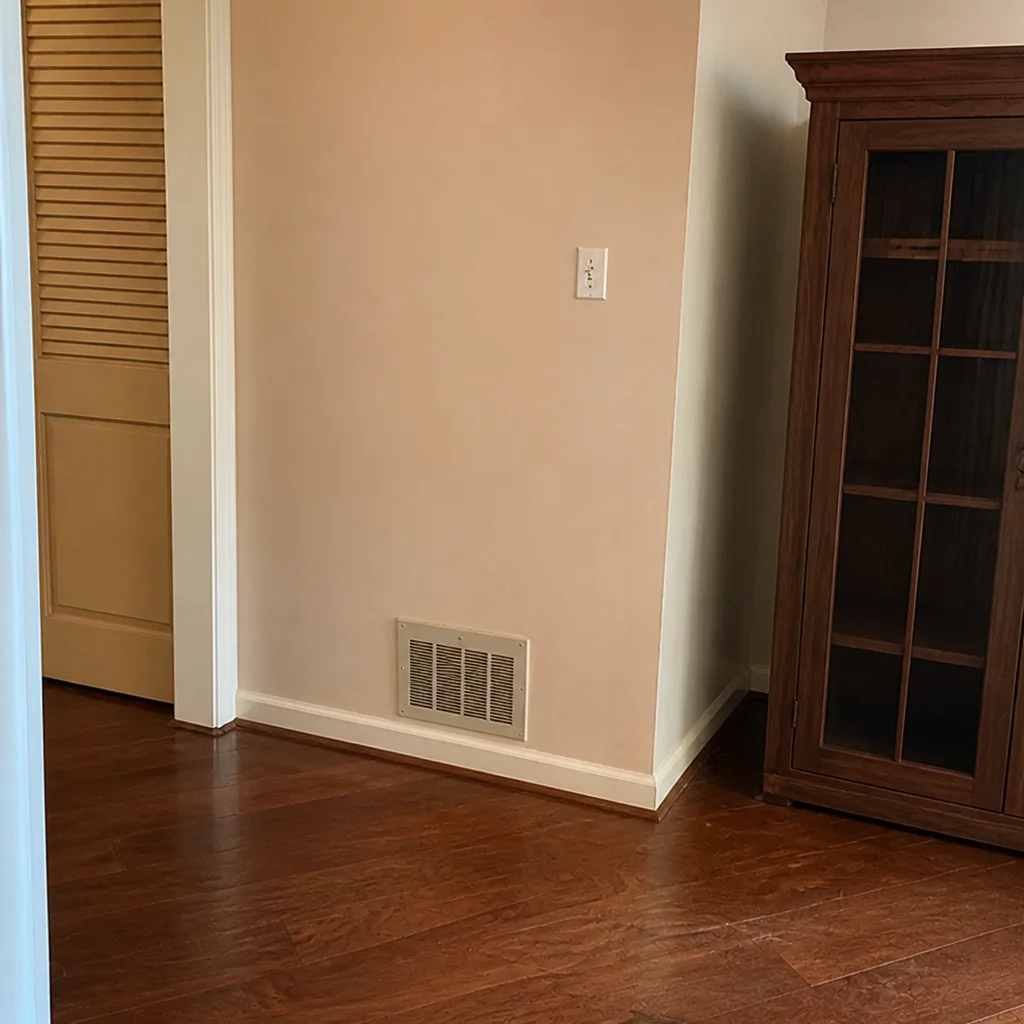
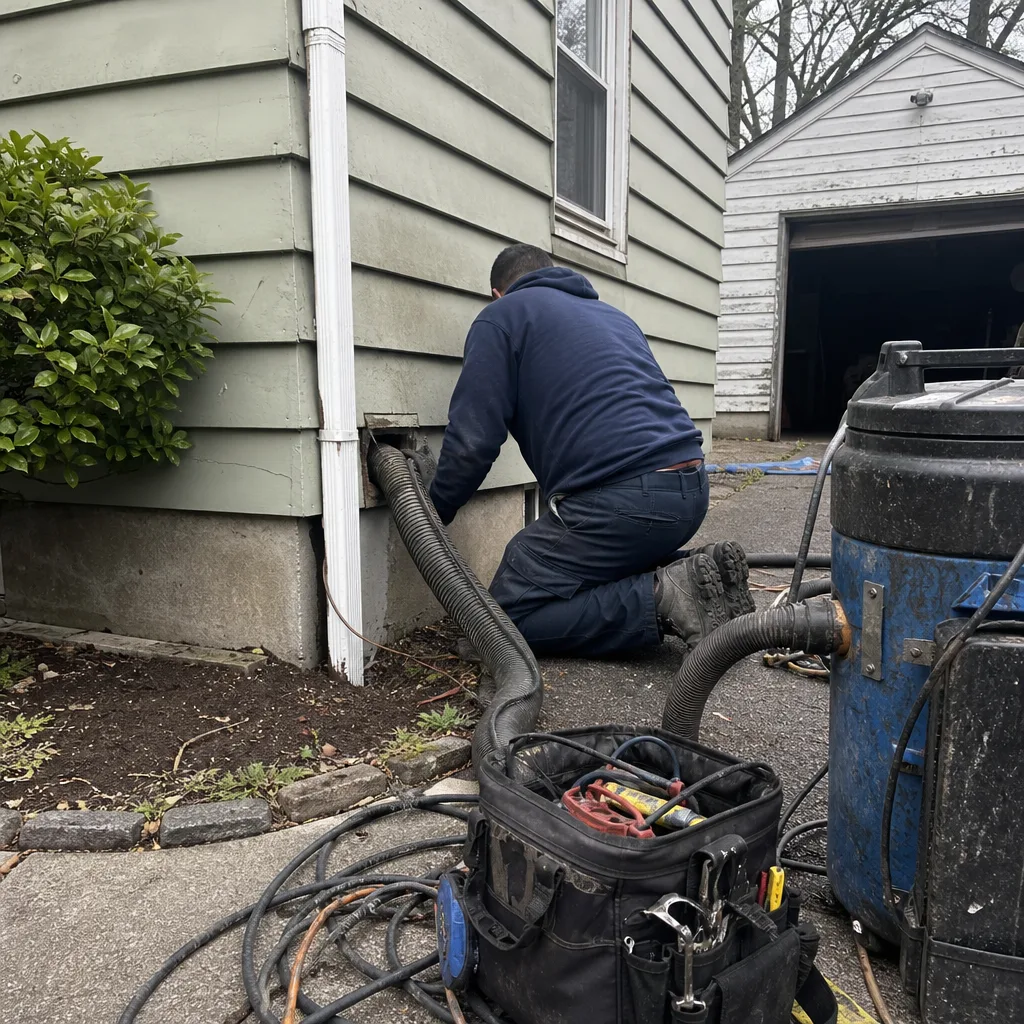
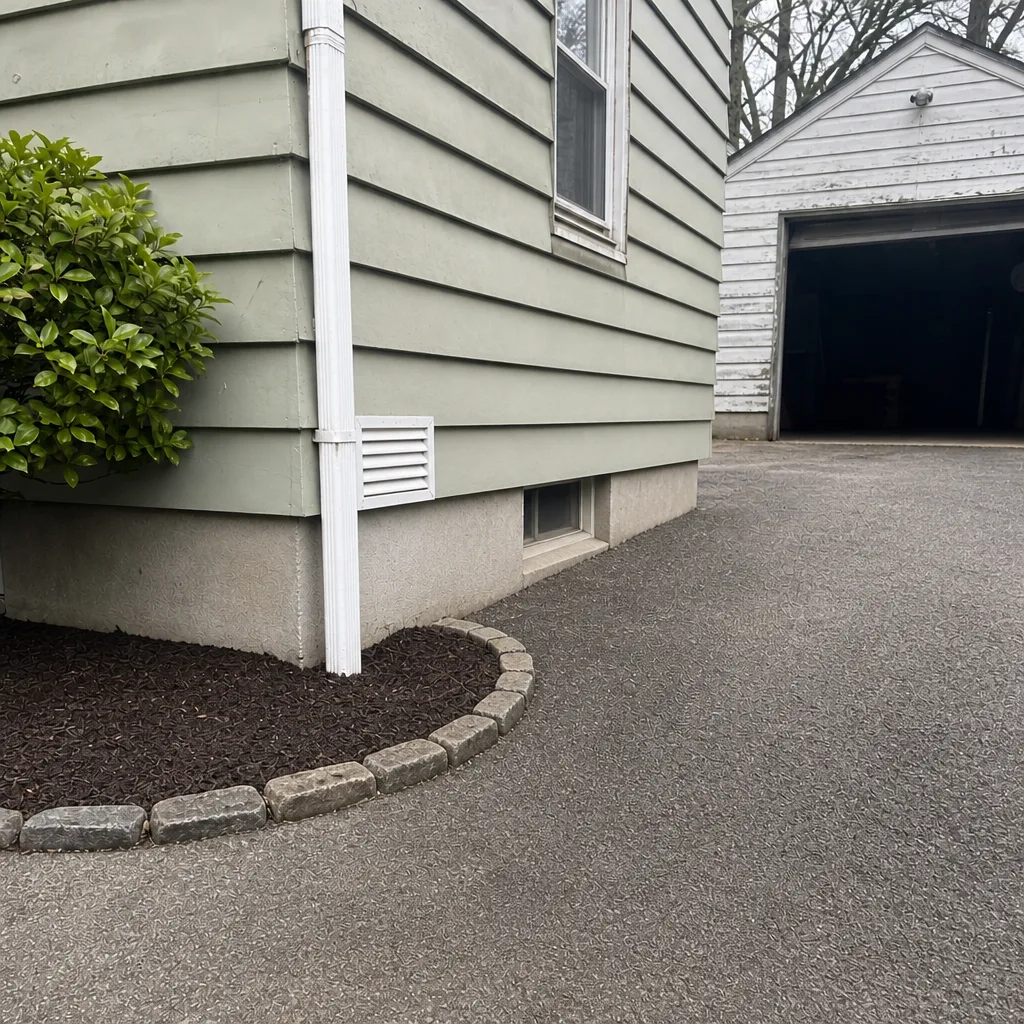
Whole-system duct and dryer vent check with before-and-after photos - you see exactly what came out of your vents
That "$99 whole-house special" is a bait ad - the real number appears once they are in your hallway, or the "clean" is a shop-vac at the register. We photograph the inside of your ducts before and after instead.
Choosing the Right Air Duct Cleaning Brand: A Buyer’s Guide for Ridgewood
Here’s the uncomfortable truth about duct cleaning brands: the name on the side of the truck tells you almost nothing about what actually shows up in your driveway. Many national names operate through independent franchisees, and the equipment, training, and cleaning methods can vary enormously from one operator to the next. The brand is a franchise agreement, not a quality guarantee. So how do you judge a company before you book? You look at the things that can’t be faked: the equipment on the invoice, the scope they itemize, and the specifics in their reviews. This guide walks Ridgewood homeowners through exactly that, so you can evaluate any bid with confidence.
Quick Answer
To choose the right air duct cleaning brand in Ridgewood, stop looking at logos and start asking about equipment and scope. A serious company will name its primary vacuum system, describe its agitation tools, and itemize supply lines, return lines, the main trunk, the coil, and the dryer vent separately. If they can’t tell you what’s sitting next to the truck, that’s your answer.
Styles & brands we work with
- Whole-home duct cleaning
- Dryer vent cleaning
- Camera inspection
- Sanitizing & deodorizing
Table of Contents
- Franchise vs. Independent: What a Brand Name Actually Guarantees
- Judging a Company by Its Equipment, Not Its Logo
- Reading Reviews: Signal vs. Noise
- Scope Transparency: The Line-Item Test
- Why Local Knowledge of Ridgewood Housing Matters
- A Step-by-Step Way to Vet Any Company
- Common Mistakes to Avoid
- Frequently Asked Questions
Franchise vs. Independent: What a Brand Name Actually Guarantees
When you see a recognizable duct cleaning brand on a truck, it’s tempting to assume the work will meet a consistent standard. In practice, most national duct cleaning brands sell territories to independent franchise operators. Each franchisee buys the name, and then makes their own decisions about vacuum systems, brush tools, staffing, and how thorough a job they’re willing to do. Two trucks with the same logo in two different parts of Queens can run completely different operations.
That’s not a knock on franchises as a business model. It’s simply a warning about what the logo promises. The brand affiliation tells you there’s a franchise relationship. It doesn’t tell you whether the crew carries professional-grade agitation equipment or a shop vacuum with an adapter.
Independents have their own version of this problem. A truly independent local contractor might be excellent, or might be a one-person operation squeezing duct work between other jobs. Neither the franchise label nor the independent label settles the question. What settles it is what the company can tell you about how the work is done.
For Ridgewood homeowners, this matters because the neighborhood sits right against the Queens border, and it attracts a mix of franchise operators, national booking platforms, and local independents all angling for the same jobs. The competition is real, but the quality variance is real too. The brand name is the least reliable variable in the whole equation. Equipment and scope are the reliable ones, and that’s where we’d point any homeowner steering the decision.
Judging a Company by Its Equipment, Not Its Logo
If you only ask one question before booking a duct cleaning, ask what primary vacuum system they use. It’s the single clearest signal of whether you’re dealing with a professional operation or a shortcut. The right tools also determine what actually gets removed from your ducts versus what just gets loosened and left behind.
The vacuum system: truck-mounted or portable, and how much air it moves
Commercial and remediation contractors run high-volume vacuum systems – truck-mounted units or portable HEPA-rated machines – because the physics of duct cleaning demand strong negative pressure. A weak vacuum won’t pull dislodged debris out; it just moves it around. Ask directly: is the system truck-mounted or a portable HEPA unit? What’s the airflow capability? A serious operator answers without hesitation, because it’s the core of the job.
The agitation tools
Vacuum alone doesn’t scrub. Duct walls accumulate dust and debris that needs mechanical agitation to break loose before it can be captured. Professional operations use rotary brush systems – Rotobrush is the industry standard – to run a spinning brush through the ductwork while the vacuum pulls material out. Air whips and compressed-air tools do similar work in different duct profiles. Consumer-grade vacuums and hand brushes don’t get the same result.
Containment and filtration
For homes with mold concerns, allergy symptoms, or a recent renovation’s worth of drywall dust, containment matters. Machines from Abatement Technologies are associated with remediation-grade airborne particulate control, meaning the equipment is built to capture what’s being disturbed rather than blowing fine dust back into the room. That’s the difference between “remediation-level care for residential air” and cosmetic cleaning, and it’s a legitimate question to ask any operator.
In our experience, a company’s willingness to talk specifics about equipment is the tell. If the answer to “what vacuum do you run?” is a vague “professional equipment,” push once more. If the second answer is still vague, you have your answer about how detailed the work will be. Our own operation runs Rotobrush rotary systems and Nikro negative-air machines, the same class of tools used in commercial and restoration work, and we’re comfortable being asked to name them because equipment is the part of the job that doesn’t bluff.
Reading Reviews: Signal vs. Noise
Reviews are useful, but most people read them wrong. A wall of five-star ratings with generic praise (“great service, very professional!”) tells you almost nothing about the quality of duct cleaning. Nearly every company has those. The useful reviews are the specific ones, and you can spot them quickly once you know what to look for.
What a credible air duct cleaning review looks like
- It names equipment or methods. A review that mentions a rotary brush, HEPA vacuum, or negative-air setup is written by someone who was actually paying attention to the work.
- It describes access points. Reviews that mention where the crew cut in, how they handled returns, or how they protected floors describe real conditions.
- It notes before-and-after evidence. Airflow improvement, visible debris in photos, a difference in dust settling on furniture – concrete outcomes beat general praise every time.
- It mentions scope. A good review says the dryer vent was cleaned too, or that the coil was addressed. A review that just says “they cleaned the ducts” tells you less.
What to discount
Ignore bursts of identical-sounding reviews posted around the same date. Ignore reviews that are purely about punctuality or friendliness with zero mention of results – those reflect customer service, not cleaning quality. And read the negative reviews for specifics. A complaint about “they said one price and charged another” or “the crew was done in forty minutes” is more informative than any five-star rating.
Look for ridgewood-specific reviews
Reviews from your own neighborhood carry extra weight. A Ridgewood homeowner reviewing an operator’s handling of a pre-war row house or a converted multi-family is describing conditions your home may share. When reviews mention the housing stock, the access quirks, and the number of returns, that’s information you can actually use when comparing companies.
Scope Transparency: The Line-Item Test
Here’s the most reliable way to separate a serious duct cleaning company from a shortcut: ask them to itemize the work. A company that knows its trade can break a job into its actual components. A company that can’t, or won’t, is telling you what its “whole house” cleaning actually amounts to.
What a properly itemized duct cleaning proposal includes
- Supply lines. Every supply register and the duct run feeding it, cleaned with the vacuum system attached and agitation run through the length of the run.
- Return lines. The return side is often dirtier than the supply side because it draws in unfiltered household air. A quote that skips returns is skimpy cleaning.
- Main trunk line. The large central ductwork that feeds all the branches is where debris settles most heavily. A proper proposal names it.
- Air handler and evaporator coil. The component that moves your air. Cleaning ducts without addressing the air handler leaves debris and biological growth in the path of every cubic foot of air you breathe.
- Dryer vent. A separate system with a separate safety rationale. A lint-clogged dryer vent is a documented fire risk, and it’s why dryer vent cleaning should be a stated part of a complete proposal, not an afterthought.
- Filtration and sanitizing. If filtration upgrades (Honeywell and Aprilaire lines, for example) or sanitizing are part of the recommendation, they should appear as their own line, with a reason.
When a company hands you one flat price for “the whole house,” the natural question is: what’s included in “the whole house”? Many one-price jobs skip returns, skip the coil, and skip the dryer vent. They’re cleaning some of the system, then billing as if they cleaned all of it. The itemized approach is the opposite. It’s the company showing you it knows what the full forced-air pathway looks like, from the register to the air handler, and pricing each piece honestly. That’s also why we don’t quote per-vent prices – a per-vent number rewards shortcuts and hides what’s missing.
Scope transparency also protects your wallet. When the price is set per job by a written estimate, and the estimate itemizes the components, there’s no room for the bait-and-switch that this trade is unfortunately known for – the coupon price that triples once the technician is inside.
Why Local Knowledge of Ridgewood Housing Matters
A generic regional operator with a regional playbook will clean your ducts the same way it cleans every other house in the metro area. That playbook misses a lot in Ridgewood, because the housing stock here is unusually varied and each type has its own quirks when it comes to ductwork.
The three housing types you’ll find in Ridgewood
- Pre-war row houses. These homes often have duct systems retrofitted after the fact, sometimes routed through odd spaces, with return runs that don’t follow modern layout assumptions. Finding the access points takes judgment, not a scanner alone.
- 1950s semi-detached homes. Solid mid-century construction, but with duct configurations that don’t always match what a crew expects from a newer home. Original sheet metal and slip-jointed runs are common.
- Converted multi-family buildings. A house split into multiple units often runs a mix of shared and independent ducts, and the returns from one unit may run right past another. Cleaning one unit without mapping the system is a way to leave half the building’s debris untouched.
A contractor who works these homes regularly will anticipate the access challenges, plan the equipment layout accordingly, and know where to find the coil and the return plenum without cutting extra holes. A crew whose experience is with newer suburban construction will spend the first hour figuring it out. That’s why familiarity with Ridgewood’s specific building types is more than a marketing line. It’s a practical efficiency and thoroughness advantage.
Climate context
Ridgewood’s summers are humid, and its winters swing cold. Humid air pushes moisture into the duct system during the cooling season, which can encourage biological growth on coil surfaces and in damp duct sections. Cold-season heating dries the air and moves a lot of fine dust through the supply side. The combination means a home here benefits from a full-system assessment – supply, return, coil, and dryer vent – rather than a quick pass on the ducts alone.
A Step-by-Step Way to Vet Any Company
Here’s a repeatable process you can run with any of the companies you’re considering. It’s designed to squeeze out the marketing noise and get to the answers that actually predict a good outcome.
- Ask what vacuum system they use. “Truck-mounted or portable HEPA, and what airflow?” A serious operator has the answer loaded.
- Ask what agitation tools they run. Rotary brush systems like Rotobrush are the benchmark. Anything vague signals an entry-level operation.
- Ask them to itemize the job. Supply lines, return lines, main trunk, coil, dryer vent. A written estimate should name each one, plus filtration and sanitizing if recommended.
- Ask about containment. If you have allergy concerns, mold history, or a recent renovation, how do they keep disturbed dust from spreading? Abatement Technologies-style filtration is the kind of answer you’re looking for.
- Ask for before-and-after photos. A company that can show you the inside of your ducts before and after is a company that’s confident in the work. It’s also how you verify the job was actually done.
- Read their reviews for specifics. Equipment mentions, access descriptions, airflow improvements. Skip the generic praise.
- Confirm the price is set per job by the written estimate. No per-vent pricing, no coupon tease that disappears once the technician is inside.
- Confirm the local pro is licensed and insured as their state requires. Ask for it in writing.
Two of those steps, itemization and before-and-after photos, will do more to protect you from a bad experience than any brand name. They’re also the two steps a shortcut operator can’t satisfy. If you’re comparing brands and want one of your candidates to be a full-system specialist, our team at Ridgewood Air Duct Cleaning can walk you through the equipment and scope on a free estimate call. Estimates are free, and you’ll get a written itemization before any work begins.
See the difference
 Before
 After
 Before
 After
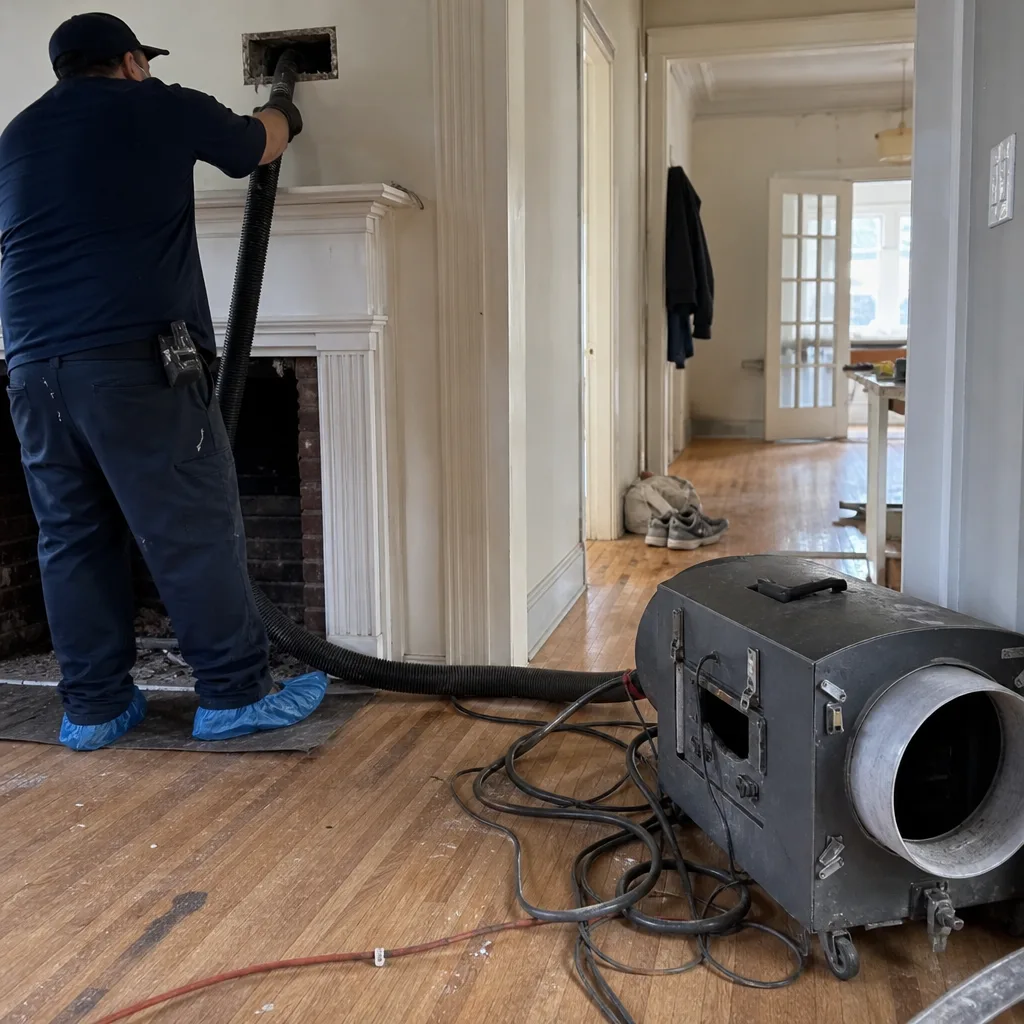 Before
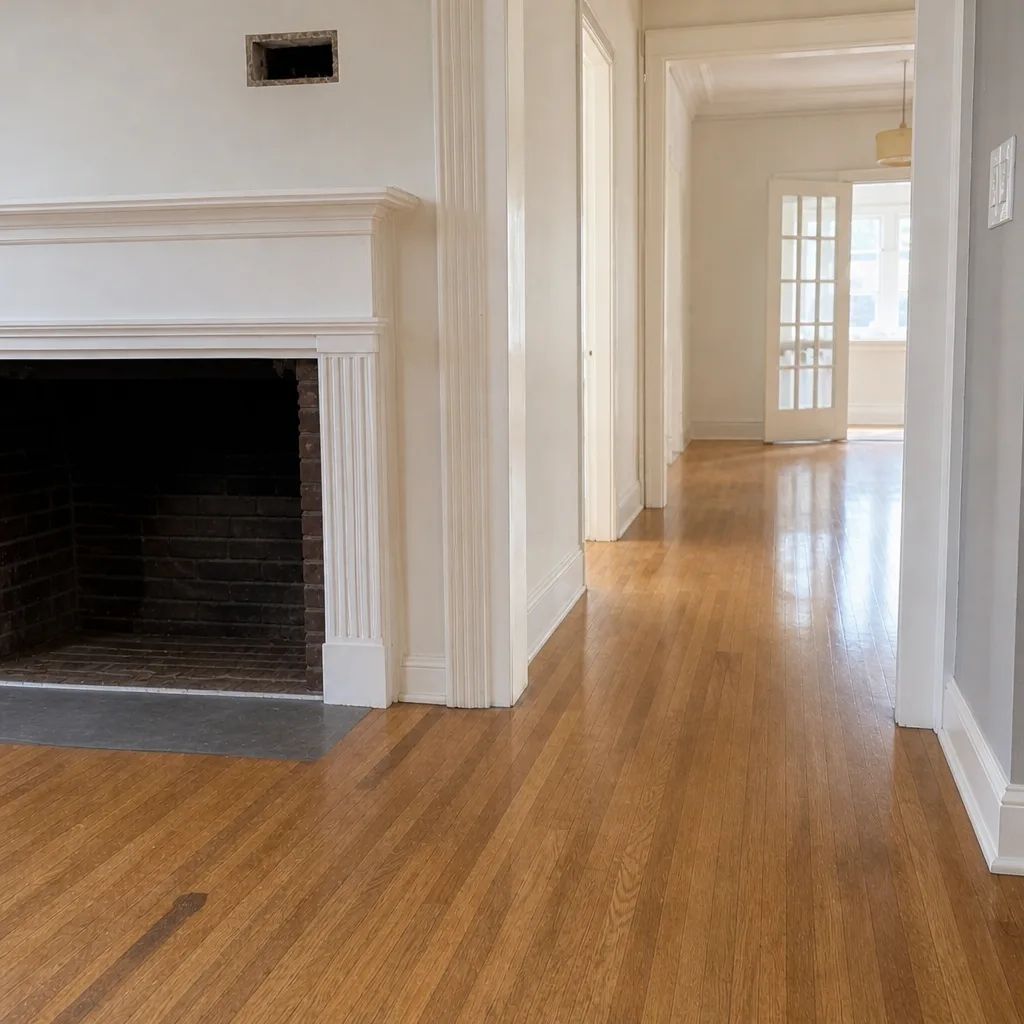 After
What Full-System Scope Actually Means
The difference between a cheap duct cleaning and a thorough one is mostly about how far into the system the work goes. A company with genuine full-system capability can assess and service the entire forced-air pathway – from the ducts at the register, through the trunk lines, into the air handler, through the coil, and into the filtration. It’s one continuous path, and cleaning only part of it is like vacuuming one room of a house.
Why scope and equipment work together
Full-system cleaning requires the equipment to back it up. You need negative pressure at the vacuum end to capture what’s loosened, agitation tools that can reach through trunk lines and branches, and containment to keep disturbed dust from migrating. A company that lists all of it – the vacuum system, the rotary agitation, the filtration – is showing you the tools are matched to the scope. A company that lists only “duct cleaning” and can’t say more is probably not set up for the coil and return work, even if they’ll bill for a whole-house job.
Where duct repair and sealing fit
Cleaning without sealing leaves leaks in the system that let unfiltered air and debris back in. Duct repair and sealing as a native service, rather than something referred out, means the company can find the leaks during the cleaning, fix them, and seal them in the same visit. That’s the “sealed and cleaned” standard, and it’s more complete than a clean-only service that leaves the leaks for someone else to address. For an air quality-focused homeowner, that matters. A clean duct system that leaks pulls attic or crawlspace air straight into your living space.
Air quality and sanitizing
Mechanical cleaning removes debris, but sanitizing addresses what’s left behind on surfaces – the biological growth that humid Ridgewood summers can encourage. Honeywell and Aprilaire product lines have decades of HVAC and air-quality credibility, and a company that services those product lines can recommend and support filtration and humidity control that goes beyond the clean itself. That’s the last piece of the full-system picture: not just clean what’s already there, but set up the system to stay cleaner.
If you’re ready to look at the full scope, our air duct cleaning service covers the ducts and the air handler together, and our HVAC cleaning covers the mechanical side. Keeping both under one roof, alongside dryer vent cleaning, duct repair, and sanitizing, means you’re not juggling three vendors to get one complete job.
Common Mistakes to Avoid
- Booking on the logo alone. A familiar brand name doesn’t tell you what equipment or crew will show up. Ask the equipment questions regardless of the brand on the truck.
- Accepting a “whole house” flat price with no itemization. If the quote doesn’t name supply lines, return lines, trunk, and coil, assume some of it is being skipped. Itemization is the most reliable trust signal in this trade.
- Ignoring the dryer vent. Lint buildup in a dryer vent is a real fire risk, not just a dust issue. Ridgewood homes with long vent runs and basement laundry setups are especially worth checking, and it should be part of a complete proposal.
- Trusting generic five-star reviews. Reviews that mention equipment, access points, and before-and-after results are the ones with signal. Walls of identical praise are noise.
- Skipping the air handler and coil. Clean ducts feeding a dirty coil is still dirty air. Confirm the coil and air handler are in scope, not just the duct runs.
- Assuming a pre-war row house or converted multi-family will be handled the same as any other home. The access quirks and return configurations in Ridgewood’s older housing reward operators with direct experience of those building types.
- Not asking for before-and-after photos. Without them, you have no way to verify the work happened. A company that documents every job is a company that expects you to check.
When to Call a Professional
Duct cleaning is worth scheduling when you notice specific conditions, not just when a coupon arrives in the mail. Persistent dust settling quickly after cleaning, musty odors when the system starts, allergy symptoms that worsen indoors, visible debris around registers, or a recent renovation that pushed construction dust through the vents – all are reasons to get an assessment. A dryer that takes longer to dry clothes, or a lint trap that fills fast, points to the dryer vent. Our team at Ridgewood Air Duct Cleaning offers free estimates in Ridgewood, and we’ll assess the full system, supply and return, coil and dryer vent, before quoting anything. Call (866) 443-1814. We answer 24/7. Fast dispatch from 7am to 7pm, Sunday through Friday. Our technicians have up to 10 years of experience, the local pro is licensed and insured as their state requires, and the written estimate sets the final price.
Frequently Asked Questions
Judge the company on equipment and scope, not brand name. Ask what vacuum system they use (truck-mounted or portable HEPA), what agitation tools they run (Rotobrush-style rotary brush systems are the benchmark), and whether they itemize supply lines, return lines, main trunk, coil, and dryer vent separately in the written estimate. Call (866) 443-1814 for an exact quote – estimates are free.
No. Most national duct cleaning brands operate through independent franchisees, and the equipment, training, and cleaning methods can vary significantly from one franchise to the next. The brand on the truck tells you there’s a franchise relationship; the equipment next to the truck tells you what the work will actually be. The local pro is licensed and insured as their state requires, and the estimate should itemize the full system before you book.
Cheaper quotes usually cover less of the system – often skipping return lines, the air handler, the coil, or the dryer vent – or they use consumer-grade vacuums instead of professional-grade systems. The low number is real; the scope behind it is thin. A written estimate that itemizes every component is the honest comparison, and the price is set per job by the written estimate. Call (866) 443-1814 for a free estimate that itemizes the work.
Ask for before-and-after photos of your own ducts. A professional operation documents the job because the results are visible – airflow improves, debris is captured in the vacuum, and the inside of the ducts looks different afterward. Without photos, you’re relying on trust alone. We document every job and include before-and-after photos with the work.
Yes. Pre-war row houses often have retrofitted duct systems with non-standard return runs, and converted multi-family buildings can share ducts between units in ways that require careful mapping before cleaning. An operator with direct experience of Ridgewood’s housing stock will plan access and equipment layout accordingly, which means a more thorough job with fewer surprises. Our technicians have up to 10 years of experience with these building types. Call (866) 443-1814 for an exact quote – estimates are free.
Most homes benefit from duct cleaning every few years, sooner if you’ve had a renovation, notice persistent dust or musty odors, have allergy symptoms worsening indoors, or find visible debris around the registers. Homes in humid summer climates like Ridgewood’s may need the coil and dryer vent checked on a shorter cycle than the ducts alone. Call (866) 443-1814 for an exact quote – estimates are free.
The Bottom Line
Brand recognition in duct cleaning is a weak signal. What matters is equipment – professional-grade vacuum systems and rotary agitation tools like Rotobrush and Nikro, backed by remediation-grade filtration like Abatement Technologies for homes with mold or allergen concerns – and scope. A company that itemizes supply lines, return lines, main trunk, coil, and dryer vent is showing you it knows the full system. A company that quotes one flat “whole house” price often isn’t cleaning all of it. Layer in review specificity, before-and-after documentation, and knowledge of Ridgewood’s pre-war row houses and converted multi-family buildings, and you have a way to evaluate any company you call. That’s the buyer’s guide in one paragraph: judge the equipment, check the scope, verify with photos, and don’t let the logo do the deciding.
Ready to see what’s actually in your system? Call Ridgewood Air Duct Cleaning at (866) 443-1814 for a free estimate. We answer 24/7. Fast dispatch from 7am to 7pm, Sunday through Friday, and the written estimate sets the final price. We’ll walk you through the equipment, itemize the scope, and show you before-and-after photos of your own ducts when the work is done.
Written by the team at Ridgewood Air Duct Cleaning.